
Quick answer: Whether you should do physical therapy while in pain genuinely depends on what’s causing that pain, not a simple yes or no. Mild, expected discomfort during appropriately guided rehab is often a normal part of recovery, while severe pain, significant swelling, or an inability to use the area at all are signs to get assessed before starting any exercise. A proper clinical assessment is what actually determines whether, and how, rehab should begin for your specific situation.
It genuinely feels counterintuitive. Something hurts, and every instinct says protect it, rest it, don’t move it, yet you’ve been told, or read somewhere, that physical therapy while in pain might actually be the right approach. That hesitation is completely reasonable, and honestly, the real answer isn’t a confident yes or a confident no, it’s genuinely nuanced, and it depends on details about your specific pain that a generic article can’t know. Here’s an honest look at how that decision actually gets made, and what to pay attention to in the meantime.
Why This Question Doesn’t Have A Simple Yes Or No Answer
The instinct to avoid moving a painful area makes sense on the surface, pain usually means something’s wrong, and moving something that’s wrong feels like it should make things worse. But pain is a genuinely more complicated signal than that. It can mean tissue is actively damaged and needs protection, or it can mean a joint or muscle has simply become sensitised and deconditioned, and in that second case, appropriately guided movement is often exactly what helps it recover, while continued rest can actually let things stiffen and weaken further.
The honest answer to whether you should be doing physical therapy while in pain depends on which of those situations you’re actually in, and that’s genuinely not something you can reliably judge from the outside on your own. It depends on what caused the pain, how severe it is, how long it’s been going on, and what’s actually happening in the tissue itself, all things a proper assessment is built to work out.
There’s also a genuinely real psychological piece to this hesitation worth naming directly. Avoiding movement out of fear that it will cause harm can, for a lot of people, quietly become part of the problem itself, a pattern sometimes described as fear-avoidance. The less an area is used, the weaker and stiffer it can become, which can then make normal movement feel even more uncomfortable, reinforcing the original fear and making a return to full function feel further away rather than closer. Recognising that this cycle exists doesn’t mean pushing through pain regardless, it means understanding that some of the hesitation around movement can become its own obstacle, which is exactly why a guided, graded approach, rather than either extreme, tends to serve people better.
The Difference Between Helpful Pain And Harmful Pain
This is genuinely the part most articles on this topic skim past, and it’s the single most useful distinction to actually understand. Not all pain during rehab means the same thing, and learning to tell the difference between expected, manageable discomfort and pain that signals a problem is exactly what lets people engage with rehab confidently instead of anxiously stopping at every twinge.
A commonly used clinical guideline, sometimes called a pain-monitoring approach, treats a mild to moderate level of discomfort during exercise as generally acceptable, provided it doesn’t escalate sharply during the session and settles back down within about a day afterward. Research on this approach, particularly in tendon-related injuries, has found that staying within that kind of manageable pain range during structured loading actually produces better outcomes than avoiding any discomfort whatsoever, since some controlled loading is often what the tissue needs to adapt and strengthen. The key marker most clinicians actually watch isn’t whether an exercise causes any sensation at all, it’s how you’re doing the next morning. Pain that’s noticeably worse the following day, rather than settled back to roughly where it started, is the clearer signal that the previous session’s load was too much, not the discomfort felt during the exercise itself.
That’s a genuinely different, more useful framework than “does it hurt, yes or no,” and it’s exactly the kind of judgement call a proper assessment helps you apply safely to your own specific injury, rather than guessing at where that line sits on your own.

When Starting Rehab Early Actually Speeds Up Recovery
For a genuinely wide range of common injuries, complete rest turns out to be less helpful than the instinct suggests, and appropriately guided movement, started earlier than many people expect, often supports a better and faster recovery. Prolonged immobility allows muscles to weaken, joints to stiffen, and tissue to lose some of its tolerance for load, all of which can actually make the eventual return to normal activity slower and harder than if graded movement had started sooner.
This doesn’t mean pushing hard immediately, it means appropriately dosed, guided loading introduced at the right time for that specific injury, which is a very different thing from either total rest or ignoring pain altogether. Many clients are genuinely surprised to learn that some gentle movement, introduced earlier than they expected, is part of their recovery plan rather than something to be avoided until pain has fully disappeared. The right starting point and pace, though, depends entirely on what’s actually going on in the injured area, which is exactly why this isn’t something to work out from a generic article or a friend’s experience with a different injury.
This pattern shows up across a genuinely wide range of common issues we see, from ankle sprains to lower back pain to recovery after certain surgical procedures once a surgeon has given the go-ahead. In each case, the specifics of what “early” and “appropriately dosed” actually mean look completely different, an ankle sprain and a post-surgical knee are on entirely different timelines and tolerate entirely different loads, which is exactly why applying advice meant for one injury to a different one can genuinely do more harm than good.
When You Should Wait Or Get Checked First
None of this means every painful area should be pushed straight into exercise, and it’s genuinely important to be clear about when the opposite applies. Severe, unexplained pain that came on without an obvious cause is a signal to get assessed before attempting any exercise programme. Significant swelling, particularly if it’s come on rapidly, is another sign that something more than simple muscle soreness may be involved.
An inability to bear weight or use the affected area at all, rather than pain with reduced function, is a clear signal to get checked rather than working through it. Pain following significant trauma, a fall, a collision, a hard impact, should always be assessed medically before any exercise is attempted, since the cause of the pain in these situations genuinely needs to be established first. If any of this describes what you’re dealing with, the right next step is assessment, not a home exercise routine found online.
How A Sports Rehab Assessment Answers This For You Specifically
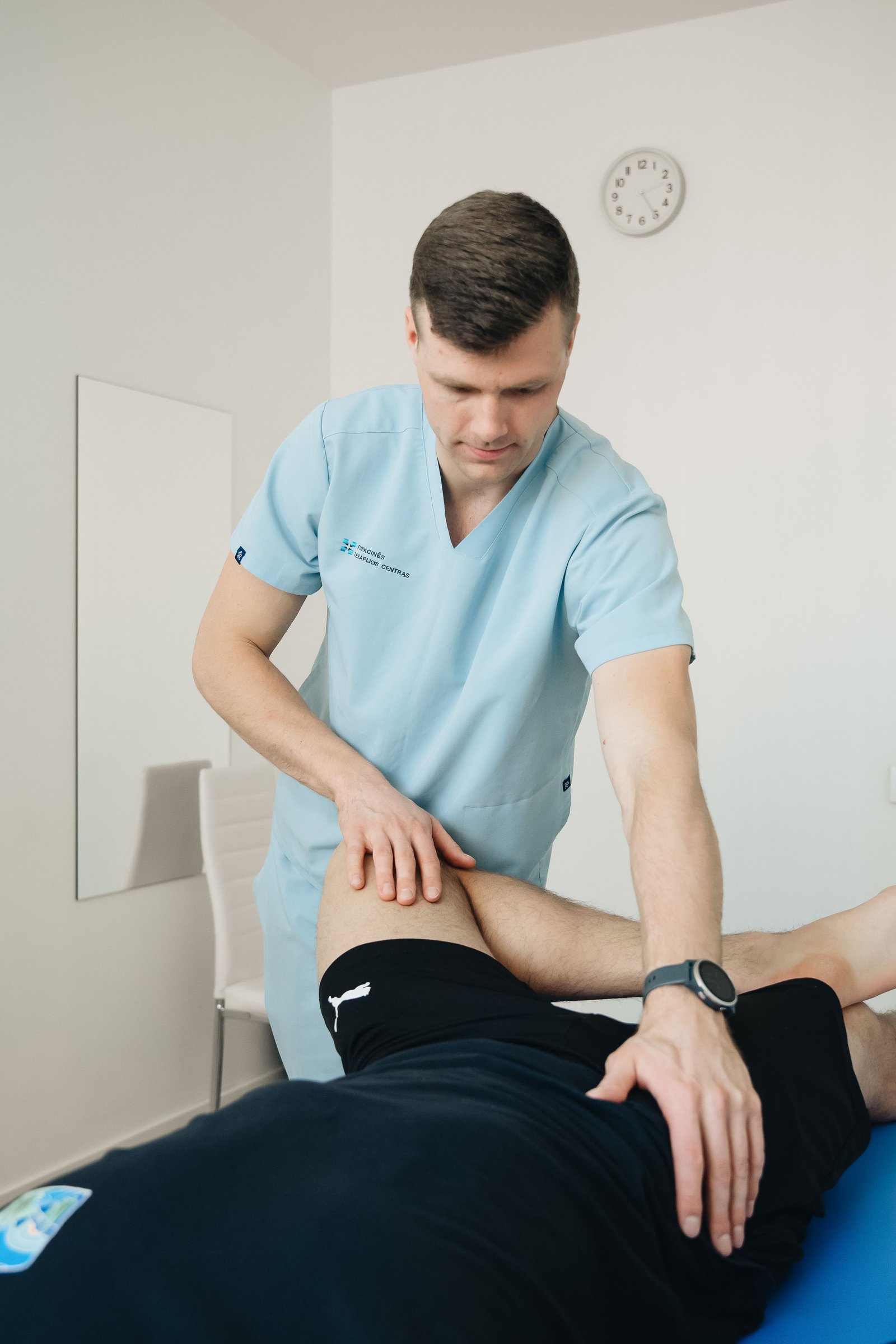
This is genuinely the value a proper assessment adds that no generic article can. At Impact Sports Rehabilitation, a Rehabilitation Consultation looks at what’s actually causing your specific pain, how irritable the tissue currently is, and what stage of recovery you’re realistically at, then builds a starting point and progression around that individual picture, rather than applying the same generic advice regardless of what’s actually going on for you.
What A Guided Program Looks Like When You’re Still In Pain
A properly graded, pain-informed rehab programme looks genuinely different from either total rest or a fixed exercise sheet handed out regardless of how you’re responding. It typically starts at a load the tissue can tolerate without significant next-day flare-up, then progresses based on how you’re actually responding session to session, rather than following a rigid calendar. Some sessions might hold steady rather than progress, if the previous load wasn’t fully tolerated, and that’s a normal, expected part of the process rather than a sign of failure.
This kind of programme also builds in regular check-ins on exactly the pain-versus-harm distinction covered earlier, helping you learn to read your own body’s signals with more confidence over time, rather than needing to ask at every twinge whether it’s safe to continue. Many clients find that this structured, responsive approach, genuinely adjusting to how they’re doing rather than pushing through regardless, is what finally lets them engage with rehab confidently instead of anxiously avoiding movement altogether.
Free tool: Sore or Injured Self-Check
Wondering whether to train today? Our free sore or injured self-check takes seven quick questions and tells you whether to train as planned, go lighter, or rest and get it checked.
If you’re dealing with ongoing pain and genuinely unsure whether rehab is safe to start, or how to begin, Impact Sports Rehabilitation works with clients across Eccles, Salford, Trafford, and the wider Greater Manchester area on building exactly this kind of properly graded, pain-informed recovery plan. Ask about an online consultation if you’re further afield and want guidance before starting.
Frequently Asked Questions
Is it normal for physical therapy to hurt at all, or should it never hurt?
A degree of manageable discomfort during appropriately guided exercise is genuinely common and often expected, particularly early in a rehab programme. What matters more is whether that discomfort settles back down within about a day, rather than whether it’s felt at all during the session itself.
I’m scared that moving my injury will make it worse, is that a reasonable fear?
It’s a completely understandable and common worry, and it’s exactly why a proper assessment matters before starting anything, since it tells you specifically whether movement is appropriate for your injury right now. Many people find that once they understand what’s actually happening in the tissue, the fear around movement eases considerably.
How do I know if my pain during exercise is okay or a sign I’ve overdone it?
The clearest signal most clinicians use is how you feel the following day rather than during the exercise itself, pain that’s settled back to roughly where it started suggests the load was appropriate, while pain that’s noticeably worse the next day suggests it was too much. This is genuinely easier to judge accurately with guidance than trying to work it out entirely alone.
Should I wait until the pain is completely gone before starting physical therapy?
Not necessarily, and for a lot of common injuries, waiting for pain to fully disappear before starting appropriate movement can actually slow recovery down rather than help it. That said, whether early movement is right for your specific injury genuinely depends on what’s causing the pain, which is exactly what an assessment is for.
What if I try physical therapy and it turns out to be too much for my injury?
A properly guided programme is built to adjust based on exactly this, sessions can hold steady or scale back if a previous one wasn’t well tolerated, rather than pushing forward regardless. In our experience, this kind of responsive adjustment is a normal, expected part of the process, not a sign that rehab was the wrong choice.
This article is provided for general educational purposes by Impact Sports Rehabilitation and does not constitute medical advice, diagnosis, or treatment. Whether physical therapy is appropriate during pain depends on the type, cause, and severity of that pain. Severe unexplained pain, significant swelling, an inability to bear weight or use the affected area, or pain following significant trauma should be assessed by a medical professional before any exercise is attempted. Always seek the guidance of a doctor or other qualified health provider with any questions about your specific injury.