
A quick, honest answer before we get into it: dry needling isn’t typically described as painful in the way people expect, but it’s not nothing either. Most people notice a brief prick as the needle goes in, followed by a distinctive deep ache or cramping sensation in the muscle itself, which is different from the sharp sting of a standard injection. How much you’ll feel genuinely depends on the muscle being treated and your own sensitivity, and it’s not something we’d promise is pain-free.
Is Dry Needling Painful? Here’s What The Evidence Says
If you’ve been told dry needling might help with that stubborn knot in your shoulder or calf, it’s completely normal to want an honest answer before you book in, especially if needles aren’t your thing or you’ve heard mixed stories from other people. So, is dry needling painful? Here’s what actually happens, based on real client experience and the evidence, not a dismissive “you won’t feel a thing.”
What Dry Needling Actually Feels Like
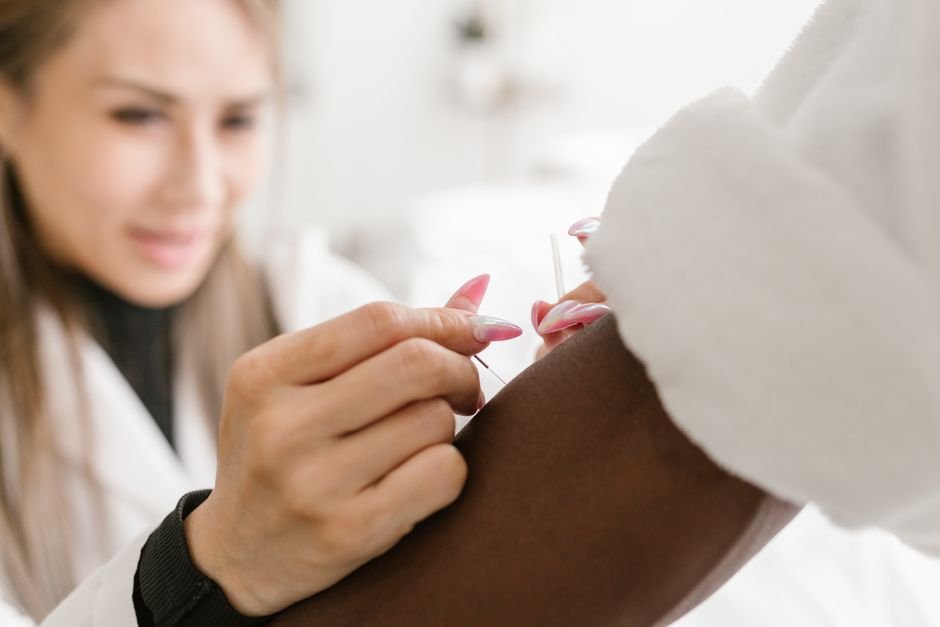
Most people don’t feel the needle itself go through the skin, it’s fine enough that the initial insertion is often genuinely unnoticeable, unlike a standard injection needle. What people do typically notice is what happens once the needle reaches the muscle, a deep, distinctive ache or cramping sensation, sometimes described as a heavy or tight feeling rather than a sharp pain. This sensation is different enough from a normal injection that it can catch people off guard the first time, since it’s not painful in the way a needle typically implies, but it’s also not simply “nothing.”
Many people find that once the therapist locates the specific tight or tender spot, called a trigger point, there can be a brief moment of genuine discomfort as the needle finds it, followed by that deeper ache as it’s worked. It genuinely varies session to session and muscle to muscle, even for the same person.
It’s also worth knowing this sensation is genuinely different from a trigger point injection, where a liquid is injected through a wider-bore needle, which many people report as noticeably more uncomfortable due to both the needle size and the fluid pressure. Dry needling uses a much finer, solid filament needle, similar to an acupuncture needle, which is a meaningful part of why the initial insertion itself tends to go unnoticed even though the deeper muscle response doesn’t.
Why It Sometimes Causes A Twitch Response
One thing that catches a lot of first-timers off guard is what’s called a local twitch response, a quick, involuntary muscle jump or spasm at the site being treated. It can feel unusual, even slightly alarming, if you’re not expecting it, but it’s a well-recognised physiological response rather than anything going wrong. It happens because the needle is stimulating a genuinely reactive point in the muscle, and many people find they actually come to recognise the sensation as a sign the needle has found the right spot, rather than something to be anxious about.
What The Evidence And Client Experience Actually Say
A lot of dry needling content either says it doesn’t hurt at all, which doesn’t match a lot of real client experience, or avoids the pain question entirely. It’s worth being genuinely balanced here. Client experience varies considerably, some people find certain muscles, particularly smaller or more sensitive ones, noticeably more uncomfortable than others, while larger muscle groups are often described as more of a deep ache than sharp discomfort.
The research on the twitch response specifically is more mixed than a lot of dry needling content suggests. Some studies have found that eliciting a twitch response is linked to a better immediate improvement in muscle function, though that particular advantage didn’t hold up a week later, and several other studies have found no clear link between getting a twitch response and how much pain or disability actually improves. In other words, a strong twitch isn’t necessarily proof the treatment is “working better,” and its absence isn’t a sign it isn’t working either, which is a genuinely useful thing to know if you don’t get one and start to wonder why.
This honesty matters because a lot of the more dramatic-sounding online descriptions of dry needling, the ones that either promise it’s completely painless or make it sound genuinely alarming, don’t reflect what the research or typical client experience actually shows. The real picture sits somewhere in the middle, noticeable but generally tolerable, with real variation between people, and being upfront about that variation is more useful to someone nervous about their first session than a flat reassurance either way.
Factors That Affect How Much You’ll Feel
Which specific muscle is being treated makes a genuine difference, smaller, more superficial muscles, or areas closer to bone or particularly ticklish spots, tend to be reported as more uncomfortable than larger, deeper muscle groups like the glutes or quads. Individual sensitivity plays a real role too, some people are simply more sensitive to this kind of stimulus than others, and that’s not something to feel self-conscious about mentioning.
How tight or irritated the specific trigger point is on the day can also affect what you feel, a particularly reactive or tender spot often produces a stronger initial response than a milder one. Stress levels and general nervous system sensitivity on the day genuinely play a role too, many people find a session feels noticeably different depending on how tense or anxious they already are walking in, which is part of why the same treatment on the same muscle can feel different from one visit to the next. None of this is predictable with total precision beforehand, which is exactly why a good practitioner checks in with you throughout rather than assuming your experience will match anyone else’s.
How To Make Your First Session More Comfortable
Letting your practitioner know beforehand that you’re nervous, or that this is your first time, genuinely helps, since they can talk you through what’s happening and adjust their approach based on your feedback. Slow, steady breathing during the needling itself is a simple, practical thing many people find genuinely helps take the edge off the sensation, in the same way it helps with other uncomfortable but brief medical procedures.
It’s also worth eating something beforehand and staying reasonably hydrated, since going in on an empty stomach can make any lightheadedness or discomfort feel more pronounced than it needs to be. Speaking up during the session if something feels like more than you expected is always the right move, a good practitioner would always rather adjust than have you grit your teeth through it. Planning something low-key for right after your first session, rather than rushing straight into intense training, also tends to make the experience feel more manageable, since it takes away the pressure of needing to perform well immediately afterward while your muscle is still settling.
Aftercare matters too, gentle movement and staying hydrated in the day or two following a session are things many people find help the post-treatment soreness settle a bit more comfortably, though this isn’t a guarantee and soreness affects everyone differently.
What To Expect At Impact Sports Rehabilitation
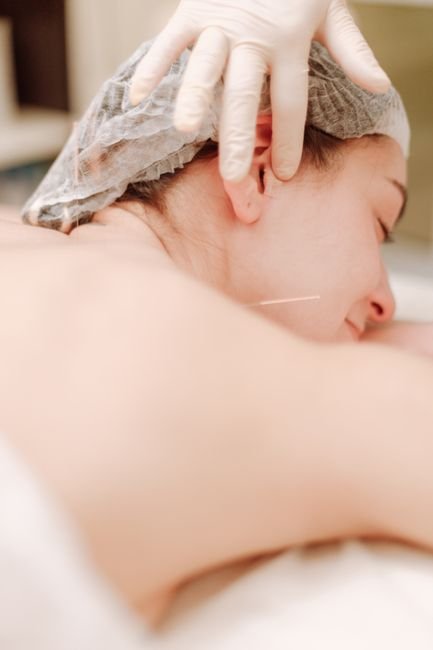
At Impact Sports Rehabilitation, a first dry needling session starts with a proper conversation about what’s bothering you and what to expect, not just getting straight into it. This sits alongside our wider acupuncture service, and the practitioner will check in with you throughout the session and adjust pressure and technique based on how you’re finding it, rather than working to a fixed script regardless of your feedback.
If you’re curious about dry needling but nervous about your first session, Impact Sports Rehabilitation works with clients across Eccles, Trafford, and Salford. Ask about an online consultation if you’re further afield.
Frequently Asked Questions
Is dry needling more painful than acupuncture?
They use similar needles, but dry needling specifically targets tight or irritated muscle trigger points, which is why it can produce a more noticeable ache or twitch response than a typical acupuncture session aimed at other points. Many people find the sensation genuinely different rather than simply “more” or “less” painful.
Will I bruise afterward?
Some people do get mild bruising or tenderness at the site, particularly in more vascular areas, while others don’t notice any at all. It’s a genuinely normal possible response and usually settles on its own within a few days.
What if I’m scared of needles in general?
You’re genuinely not the only one who feels this way, and it’s worth telling your practitioner beforehand so they can talk you through the process and go at a pace that feels manageable. Many people find the fear itself is worse than the actual sensation once they’ve experienced it.
How sore will I be after the session?
Some muscle soreness for a day or two afterward, similar to how a muscle feels after a workout, is a genuinely common response and typically settles within 24 to 36 hours. If soreness feels excessive or doesn’t ease, it’s worth mentioning to your practitioner.
Does it hurt more if the muscle is really tight?
Many people find a particularly tight or reactive trigger point does produce a stronger initial sensation, including a more noticeable twitch response, than a milder one. This isn’t a fixed rule though, and it genuinely varies by person and by muscle.
This article is provided for general educational purposes by Impact Sports Rehabilitation and does not constitute medical advice, diagnosis, or treatment. Pain experience with dry needling varies by person and treatment area, and this content is not a substitute for professional medical assessment.