
Quick answer: MCL stands for medial collateral ligament, a strong band of tissue on the inner side of the knee that connects the thigh bone to the shinbone. Its main job is to stop the knee from buckling inwards, which is why it’s often injured by a blow to the outside of the knee or a twisting movement in sport. If you have knee pain or think you’ve injured your MCL, a proper assessment is the best next step.
If you’ve heard a physio, a doctor, or a sports commentator mention the MCL and wondered exactly what it is, you’re not alone. Searching for the MCL meaning usually brings up either a one-line definition or a detailed medical article about injuries, with not much in between. This guide is a simple, clear starting point. We’ll explain what MCL stands for, where it is, what it does, why it comes up so often in sport, and how it usually gets injured.
We’ll also do something most definition pages don’t: point you to the right next article depending on your situation, whether you’re just curious, you’ve recently hurt your knee, or you’re already in rehab. This article is educational only, so if you have knee pain or think you’ve injured your knee, please get it assessed rather than relying on a definition.
What MCL Stands For
MCL stands for medial collateral ligament. Each word tells you something useful. Medial means towards the middle of the body, so in the knee, it refers to the inner side, the side facing your other leg. Collateral means at the side, as opposed to the cruciate ligaments, which cross over each other in the middle of the knee. Ligament means a tough band of connective tissue that links one bone to another and helps hold a joint together.
So the MCL meaning, put simply, is the ligament on the inner side of the knee. Its partner on the outside of the knee is the lateral collateral ligament, or LCL. You’ll also hear about the ACL and PCL, the anterior and posterior cruciate ligaments, which sit inside the knee joint and control forward and backward movement of the shinbone. Together, these four ligaments are the knee’s main stabilisers.
Where The MCL Is And What It Does
The MCL runs down the inside of the knee, from the inner side of the lower thigh bone to the upper inner shinbone, a little below the joint itself. It’s a flat, broad band, roughly the length of your finger, and it actually has two layers. The superficial layer is the longer, outer band most people mean when they talk about the MCL. The deep layer is shorter and attaches closely to the joint capsule and the inner meniscus, the cartilage cushion inside the knee, which is one reason the two can be injured together.

The MCL’s main job is to resist forces that push the knee inwards, known as valgus forces. Imagine someone pushing on the outside of your knee while your foot is planted. The MCL is what stops your knee from collapsing in towards the other leg. It also helps control some rotation of the shinbone. Because it sits outside the joint and has a relatively good blood supply, the MCL has a better capacity to heal than ligaments inside the knee, such as the ACL.
In everyday life, you rarely notice your MCL working. It’s quietly keeping the knee aligned every time you step off a kerb, turn to look behind you while walking, or crouch down to pick something up. It works together with the muscles around the knee and hip, particularly the quadriceps, hamstrings, and glutes, which share the job of controlling the knee. That teamwork is why strengthening those muscles is such a big part of recovery after an MCL injury.
Why The MCL Meaning Matters So Much In Sport
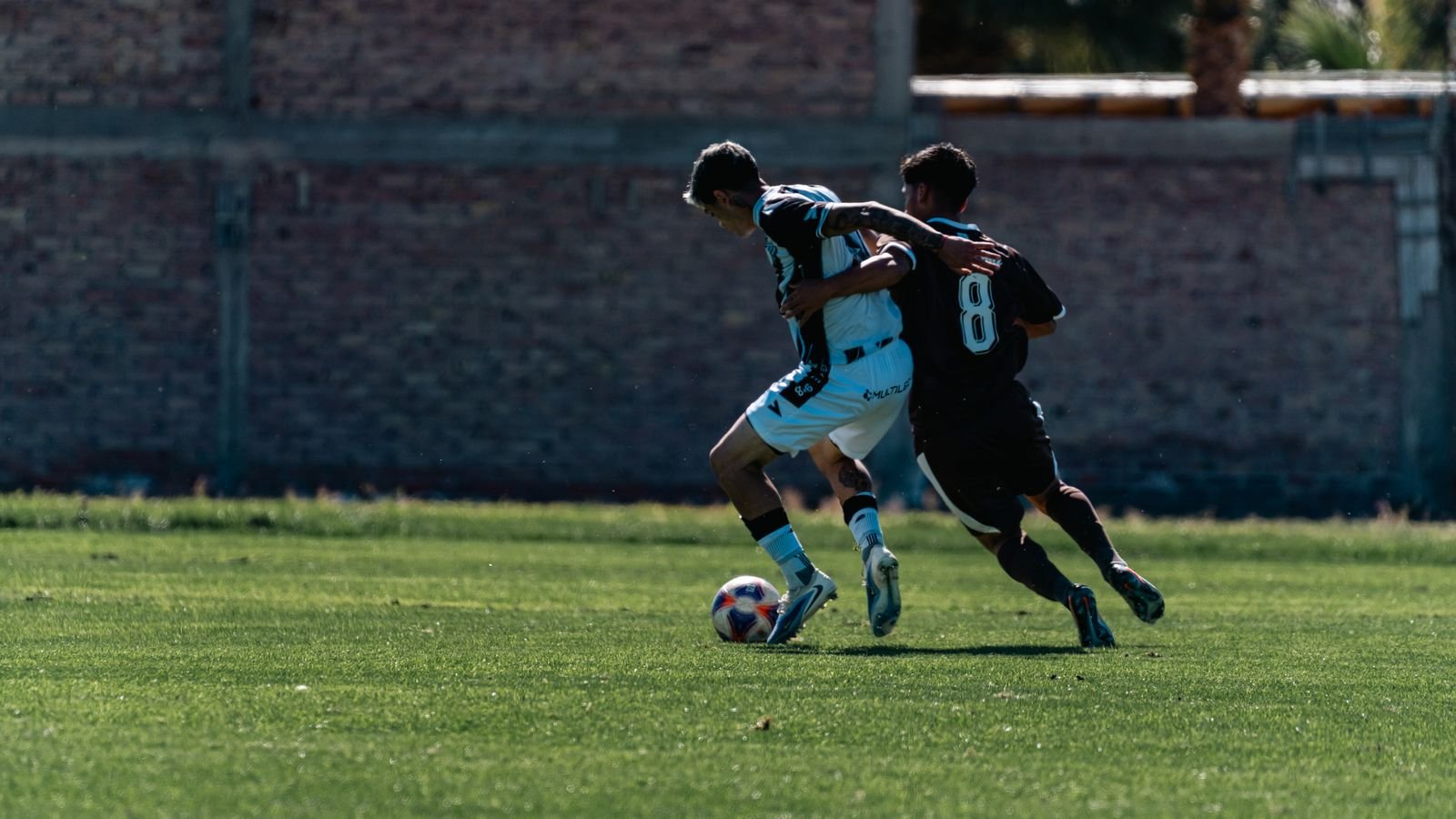
The MCL is one of the most commonly injured ligaments in the knee, especially in sport. That’s mainly because so many sporting movements and collisions put exactly the kind of inward force on the knee that the MCL is designed to resist. Football, rugby, skiing, hockey, and grappling sports such as BJJ and wrestling all involve tackles, twisting, and awkward landings that can load the inside of the knee.
It also comes up a lot in sports commentary because an MCL injury can sideline a player for anything from a couple of weeks to several months, depending on how badly it’s damaged. And because the forces that injure the MCL can also injure the ACL and meniscus, an MCL injury is often discussed alongside these other structures when a player is assessed.
You don’t need to be a professional athlete to injure your MCL, though. In our clinic, we see it in Sunday league footballers, rugby players, skiers back from a holiday, and BJJ practitioners whose knee got caught in an awkward position during a roll. The mechanism is the same at every level, which is why the same principles of assessment and rehab apply whether you play for fun or for a living.
How MCL Injuries Typically Happen
The classic MCL injury happens when something hits the outside of the knee while the foot is planted, such as a tackle from the side in football or rugby. The knee is pushed inwards, and the ligament on the inner side is stretched or torn. It can also happen without contact, during a sudden twist, a change of direction, or an awkward landing, and in skiing when the ski tips drift apart.
MCL injuries are graded from one to three, from a mild stretch of the fibres to a complete tear. Most heal well without surgery, using a combination of protection, sometimes a hinged brace, and a structured rehab programme. Our article on MCL knee injury explains the grades and symptoms in more detail.
You’ll often hear a few other terms alongside the MCL, so here’s what they mean. A sprain is the general word for a ligament injury, and a tear simply describes a more significant sprain where fibres have actually torn, partly or completely. A valgus stress test is the hands-on test a clinician uses, gently pushing the knee inwards to see how much it opens compared with the other side. A hinged knee brace is a support with metal hinges on each side that protects the MCL while still letting the knee bend. And you might hear the superficial and deep MCL mentioned separately, since the ligament has two layers that can be injured to different degrees.
What To Read Next Depending On Your Situation About The MCL Meaning
Most definition pages stop here, which isn’t much use if you came looking because of your own knee. So here’s a quick guide to where to go next.
If you’ve just hurt your knee and want to know whether it could be your MCL, how bad it might be, and when to get it checked, start with our guide to MCL knee injury, which explains how these injuries happen, how they’re graded, and the warning signs that another structure may be involved.
If you’ve been diagnosed with an MCL injury and want to understand your options, such as whether you’ll need a brace or surgery, read our article on MCL injury treatment. If you’ve been told your MCL is torn, our guide to MCL tear treatment covers that situation specifically.
If you’re in rehab and want practical exercises, our MCL physical therapy exercises guide lays them out in plain terms, and MCL exercises to avoid explains which movements to be careful with early on. If you want to understand the structured phases and criteria behind a full rehab plan, our MCL sprain rehab protocol is the most detailed option, and for everyday tips on supporting recovery, read how to make an MCL heal faster.
If you have pain on the inner side of your knee but don’t remember a specific injury, the MCL may not be the cause at all. Our guide to medial knee pain covers the wider range of possibilities.
How Sports Rehab Can Help If You’ve Injured Yours
If you think you’ve injured your MCL, a proper assessment is the best place to start. At Impact Sports Rehabilitation, a rehabilitation consultation includes a careful examination of the MCL and the other knee structures, an estimate of the injury’s grade, and a clear plan. That might include guidance on protection and bracing, a staged rehab programme, and onward referral for imaging or a specialist opinion if something more is suspected. Supportive treatments such as sports massage and taping can help with comfort during recovery.
If you’ve hurt your knee and want to know whether it’s your MCL, Impact Sports Rehabilitation in Eccles, Greater Manchester can assess it properly and explain exactly what’s going on. We work with athletes and active people from Eccles, Salford, Trafford, and across Manchester, and online consultations are available if you’re further away. Book in and get a clear answer and a plan.
Frequently Asked Questions
What does MCL stand for?
MCL stands for medial collateral ligament. It’s the ligament on the inner side of the knee that stops the knee from buckling inwards.
Is the MCL the same as the ACL?
No, they’re different ligaments. The MCL runs along the inner side of the knee, while the ACL sits inside the joint and controls forward movement and rotation of the shinbone, although they’re sometimes injured together.
Is an MCL injury serious?
It ranges from mild to severe, but most MCL injuries heal well without surgery when they’re managed properly. A knee that swells quickly, gives way, or can’t take your weight should always be assessed.
Is there an MCL in the elbow too?
Yes, the elbow also has a ligament on its inner side that’s sometimes called the medial collateral ligament, though it’s more often called the ulnar collateral ligament. When people talk about the MCL in sport, they usually mean the knee unless they specify otherwise.
How do I know if I’ve hurt my MCL?
Pain and tenderness along the inner knee after a blow, twist, or awkward landing are common signs, sometimes with swelling or a feeling of looseness. Impact Sports Rehabilitation can assess your knee and confirm whether the MCL is involved.
Can the MCL heal on its own?
The MCL has a good natural ability to heal, but recovery usually goes best with appropriate protection and a structured rehab programme. Without guidance, people can be left with stiffness, weakness, or a knee that doesn’t feel fully stable.
This article is for educational purposes only and is not a substitute for professional medical diagnosis or treatment. It is not intended to diagnose any knee injury, so please seek clinical assessment if you have knee symptoms. Impact Sports Rehabilitation offers in-person and online consultations to help assess and manage knee injuries.