
Quick answer: MCL injury treatment depends mainly on the grade of the injury and whether other parts of the knee are also damaged. Most isolated MCL injuries, including many complete tears, heal well with non-surgical treatment built around protection, often a hinged brace for more significant sprains, and a progressive rehab programme. Surgery is usually only discussed in specific situations, such as combined ligament injuries, certain tear patterns, or a knee that stays unstable despite good rehab.
If you’ve been diagnosed with an MCL injury, one of the first things you’ll want to know is what treatment actually involves, and whether you’re heading towards a brace, a long rehab programme, or an operation. The good news is that the medial collateral ligament is one of the knee’s better healers, and most MCL injuries are managed without surgery. But “most” isn’t “all”, and much of what’s written about MCL injury treatment is vague about what decides which path applies to you.
In this guide we’ll give you a clear overview of the treatment landscape: how treatment differs by grade, when and why bracing is used, the specific situations where surgery comes into the conversation, why most injuries heal well without it, and how guided rehab fits into every path. We can’t tell you which route is right for your knee, because that depends on a proper examination, and sometimes imaging, but we can help you understand the options and the reasoning behind them.
MCL Injury Treatment Options By Grade
MCL injuries are graded by how much of the ligament is damaged. A grade one injury is a sprain where the fibres are stretched but the ligament is intact. Treatment usually focuses on settling pain and swelling, keeping the knee moving, and a fairly quick progression back to strengthening and normal activity. A brace is not always needed.
A grade two injury involves partial tearing, with more pain, swelling, and some looseness when the knee is stressed. Treatment is still usually non-surgical, but the early protection phase tends to be more important and longer, often with a hinged brace and sometimes crutches for a short period. Rehab progresses more gradually.
A grade three injury is a complete tear. Even here, isolated grade three MCL injuries are commonly managed without surgery, with a period of bracing and a carefully progressed rehab programme. However, grade three injuries are more likely to come with damage elsewhere in the knee, which can change the plan, and they’re more likely to need specialist input.
Whatever the grade, the first few days usually look similar. Relative rest from anything that stresses the inside of the knee, ice and elevation for comfort if you find them helpful, and gentle movement within a comfortable range all help settle things down. Walking is generally encouraged as pain allows, with crutches for a short time if needed. What tends to slow recovery is either extreme, pushing on through sport, or keeping the knee completely still for days on end.
Bracing: When And Why It’s Used In MCL Injury Treatment
The MCL’s main job is to resist forces that push the knee inwards. A hinged knee brace protects against those forces while still allowing the knee to bend and straighten, which matters because early, controlled movement helps the ligament heal in a more organised way and prevents stiffness. Complete immobilisation in a straight cast or splint is rarely used for isolated MCL injuries today for that reason.
Bracing is most commonly recommended for grade two and grade three injuries, often for several weeks, with the range of movement sometimes limited at first and gradually opened up. Some athletes also wear a brace during their return to contact sport for added protection and confidence. For grade one injuries, a brace may not be necessary at all, or may be used briefly for comfort.
If you are given a brace, fit matters. It should sit with the hinges level with the joint line of the knee and shouldn’t slip down as you walk, and straps should be firm but not so tight that they cause pins and needles. Your clinician will advise when to wear it, for example during walking and daily activity or also at night, and how to wean off it as your strength and control return.

A brace isn’t a treatment in itself. It protects the healing ligament while the real work, restoring movement, strength, and control, happens through rehab.
When Surgery Gets Discussed
This is the question many people are most anxious about, and it’s rarely explained clearly. Surgery is generally considered in a few specific scenarios rather than as a default for severe tears.
The most common is a combined ligament injury, where the MCL is torn alongside the ACL, the posterior cruciate ligament, or the structures on the outer side of the knee. In MCL and ACL injuries together, the ACL is often reconstructed, while the MCL is frequently allowed to heal with bracing first, but in some cases the MCL is repaired or reconstructed at the same time, depending on how unstable the knee is.
A second scenario involves certain tear patterns. When the MCL tears off its lower attachment on the shinbone, the torn end can sometimes flip over the hamstring tendons that cross the inside of the knee, which can stop it healing back in the right place. A displaced fragment of bone pulled off with the ligament can also be a reason for surgery.
The third scenario is persistent instability. If the knee remains noticeably unstable and gives way despite a well-conducted rehab programme, reconstruction may be discussed. Knee dislocations and major multi-ligament injuries are a separate category and need urgent specialist care.
If surgery is recommended, it’s worth knowing that it isn’t always immediate. In some combined injuries, surgeons prefer a period of bracing and rehab first, so the knee settles, swelling reduces, and movement returns before any operation. Recovery after surgery also involves a staged rehab programme, typically longer than for non-surgical treatment, so asking your surgeon how the plan is sequenced is a sensible question.
Why Most MCL Injuries Don’t Need Surgery
The MCL sits outside the knee joint itself and has a relatively good blood supply, which gives it a strong natural ability to heal. That’s very different from the ACL, which sits inside the joint and generally doesn’t heal well on its own once fully torn. Research on isolated MCL injuries, including complete tears, suggests that non-surgical treatment with bracing and structured rehab produces good outcomes for most people, with many returning to their previous sport.
Non-surgical treatment also avoids the risks and recovery time of surgery, including stiffness, which can be a particular problem around the knee. That’s why, for an isolated MCL injury without the specific features above, a structured non-surgical approach is usually the first choice, with surgery kept in reserve if needed.
Non-surgical doesn’t mean passive, though. A realistic non-surgical recovery involves regular rehab sessions, consistent home exercises, and gradually increasing activity. Many people are surprised by how much work it takes to get full strength back, especially in the quadriceps, even once the ligament itself feels settled.
How Guided Rehab Fits Into Every MCL Injury Treatment Path
Whichever route your treatment takes, guided rehab is the common thread. For non-surgical treatment, it’s the main treatment. It restores range of motion, rebuilds strength in the quadriceps, hamstrings, and hips, retrains balance and control, and prepares the knee for running, cutting, and sport. For surgical treatment, rehab starts soon after the operation and follows a similar staged approach, adapted to protect the repair.
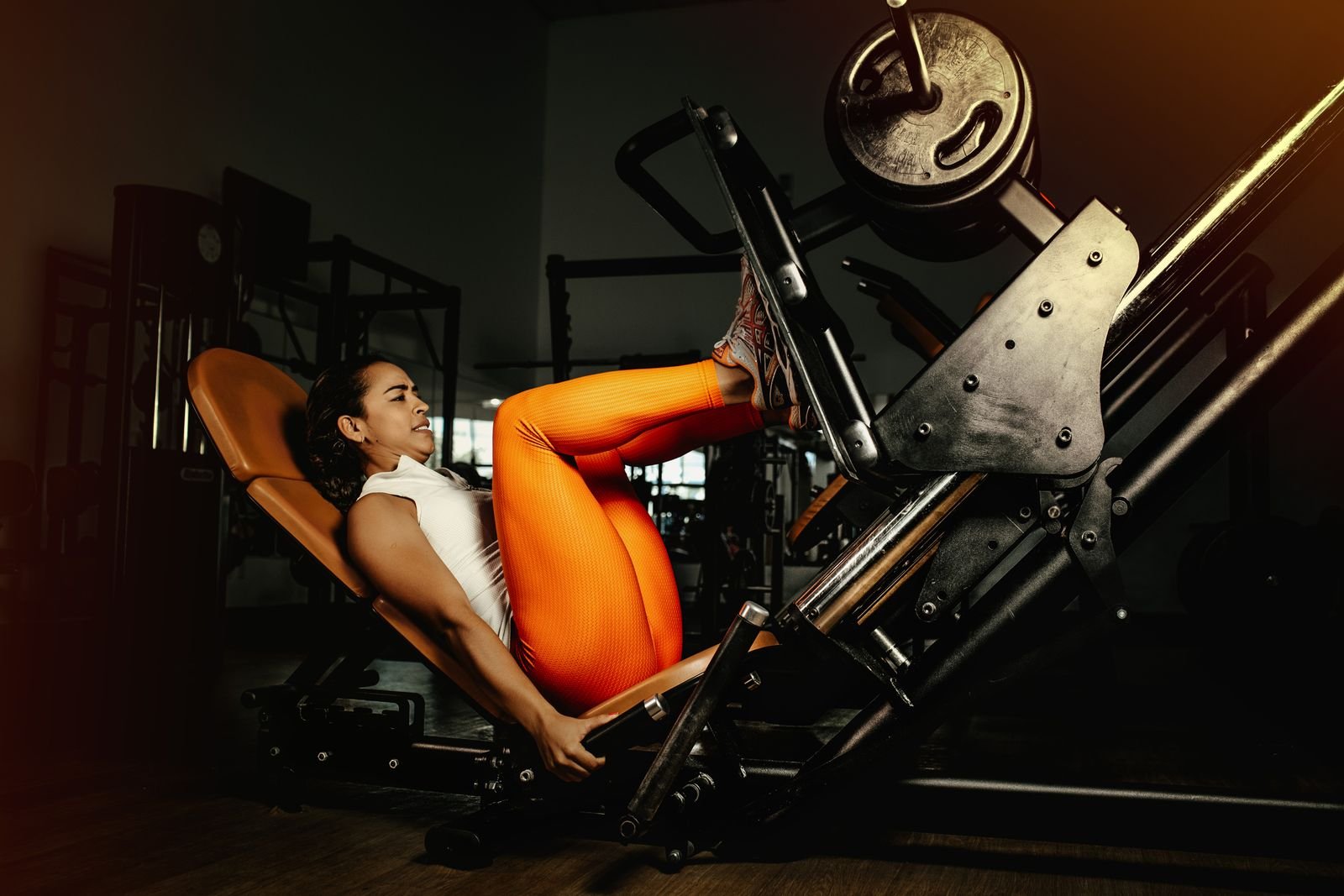
In both cases, progression should be based on clear criteria such as swelling, range of motion, strength compared with the other leg, and single-leg control, rather than time alone. Our MCL sprain rehab protocol explains those phases and criteria in detail, and our guide to MCL physical therapy exercises covers the exercises themselves.
How Sports Rehab Supports You Through Treatment
At Impact Sports Rehabilitation, we support people through every stage of MCL injury treatment. In a rehabilitation consultation, we assess your knee, estimate the grade, and check for signs that other structures might be involved. If anything suggests a combined injury, a significant tear pattern, or instability that needs a surgical opinion, we’ll help you get referred to the right specialist.
For non-surgical cases, we build and progress your rehab programme, advise on bracing and activity, and guide your return to sport using clear criteria. If you’ve had surgery, we work alongside your surgical team’s guidance. Supportive treatments such as sports massage and taping can help with comfort along the way. For practical everyday tips on supporting healing, see our article on how to make an MCL heal faster.
If you’ve injured your MCL and want clear guidance on the right treatment path, Impact Sports Rehabilitation in Eccles, Greater Manchester can assess your knee and support you all the way back to sport. We work with athletes and active people from Eccles, Salford, Trafford, and across Manchester, and online consultations are available if you’re further away. Book in and let’s get your recovery on the right track.
Frequently Asked Questions
Do MCL tears need surgery?
Most isolated MCL tears, including many complete tears, heal well without surgery. Surgery is usually considered for combined ligament injuries, specific tear patterns, or a knee that stays unstable despite rehab.
How long will I need to wear a brace for an MCL injury?
It depends on the grade and your clinician’s advice. Grade one injuries may not need a brace, while grade two and three injuries often use a hinged brace for several weeks.
Can an MCL heal on its own?
The MCL has a good natural healing ability, but healing well usually depends on appropriate protection and a structured rehab programme. Leaving it without guidance can lead to stiffness, weakness, or ongoing instability.
How do I know if other parts of my knee are injured too?
Significant swelling soon after injury, a pop at the time, locking, or the knee giving way can suggest other structures, such as the ACL or meniscus, are involved. Impact Sports Rehabilitation can assess your knee and refer you for imaging or a specialist opinion if needed.
Is physiotherapy enough for a grade three MCL tear?
For many isolated grade three tears, bracing and structured rehab are enough. If the knee remains unstable or other ligaments are involved, a specialist opinion may be needed.
When can I return to sport after MCL treatment?
It varies depending on the grade, any other injuries, and how your rehab progresses. Return to sport is best guided by meeting strength, stability, and function criteria rather than a fixed timeframe.
This article is for educational purposes only and is not a substitute for professional medical diagnosis or treatment. MCL injuries are managed differently depending on their grade and whether other structures are involved, and only a proper assessment can determine the right treatment for you. Impact Sports Rehabilitation offers in-person and online consultations to guide your recovery.