Quick answer: An A2 pulley injury, a sudden pop or sharp pain at the base of a finger during a hard grip, ranges from a mild strain to a complete rupture, and the right treatment depends heavily on which end of that scale you’re actually dealing with. Most grade one to three injuries respond well to conservative management, taping, and a structured return to gripping, while a suspected complete rupture with visible bowstringing needs proper clinical assessment, and sometimes surgical repair.
If you felt a sudden pop or sharp pain at the base of a finger mid-crimp, mid-gi-grip, or during any hard grip, and someone’s mentioned the words A2 pulley, you’re probably looking for genuinely practical answers rather than another generic climbing injury article. An A2 pulley injury is common in climbing, but it happens in grappling too, and the two mechanisms, while related, aren’t identical. This article covers what the A2 pulley actually does, how this injury happens in both climbing and grappling specifically, how severity is graded, and what treatment and return to sport genuinely look like at each level.
What The A2 Pulley Does And Why It Gets Injured
The A2 pulley is one of several small, strong bands of tissue that wrap around your finger, holding the flexor tendon close against the bone as you grip. Without it, the tendon would bowstring away from the finger under load, like a bent bow, losing mechanical efficiency and making a strong grip essentially impossible. The A2 pulley, positioned along the proximal phalanx, the bone closest to your knuckle, takes an enormous amount of force during a hard grip, and it’s specifically the pulley most frequently injured in grip-intensive activity, since it sits right at the point of maximum bowstringing force when the finger is loaded in a bent position under high tension. Research examining climbers with pulley injuries has found the A2 pulley is involved in around half of all cases, making it by a clear margin the single most commonly injured pulley in the hand, which is part of why understanding it specifically, rather than pulley injuries in general, is genuinely useful.
How This Typically Happens In Climbing And Grappling
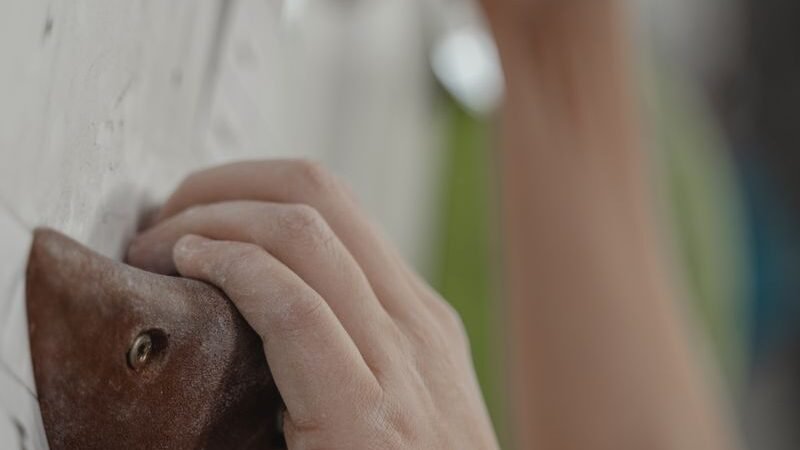
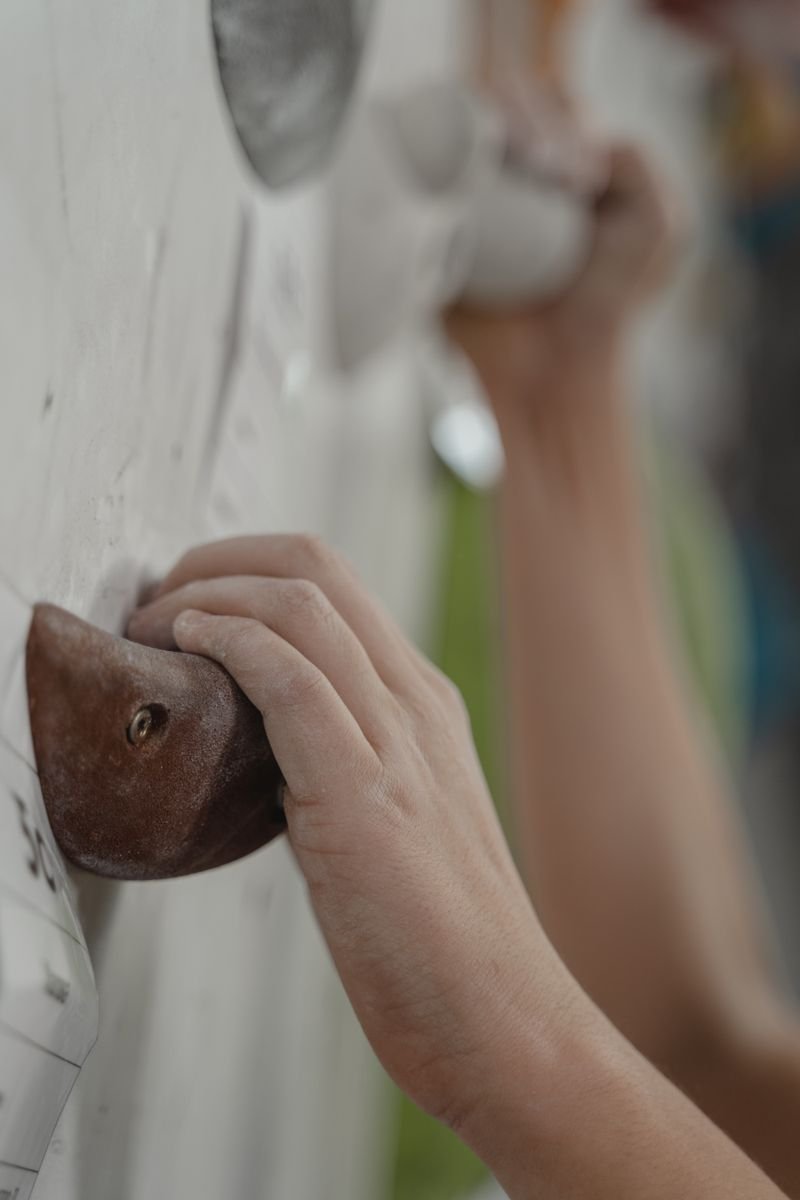
In climbing, this injury classically happens during a full or half crimp, gripping a small hold with the fingers sharply bent at the middle joint, which places enormous, concentrated load through the A2 pulley, especially when a foot slips or body weight suddenly shifts onto that one hand. In grappling, the mechanism is related but distinct, a heavy gi grip, especially a sudden, forceful grab or a grip fight where an opponent yanks against your grip unexpectedly, can load the same pulley in much the same way, just through a different sport-specific pattern of loading. Both mechanisms share the same underlying problem, a sudden, high-force demand on a bent finger, but the grappling version often involves more unpredictable, reactive loading, since you’re rarely choosing the exact moment or angle the way a climber can somewhat control during a planned crimp. This unpredictability is genuinely worth taking seriously rather than brushing off as just a jammed finger, since a sudden, reactive grip yank in a scramble can load the pulley just as forcefully, sometimes more so, than a deliberate climbing crimp where the climber has at least some control over hand position and loading angle. This acute, sudden mechanism is also what genuinely separates an A2 pulley injury from the more chronic, cumulative finger strain many grapplers also deal with, covered in more detail in our guide to keeping jiu jitsu fingers healthy.
Grading The Injury, Strain To Rupture
Pulley injuries are generally graded on a scale from a mild strain through to a complete rupture, and this grade genuinely determines the right treatment path, so it’s worth understanding the differences rather than assuming every pop or sharp pain means the same thing. A grade one injury is a mild strain, discomfort mainly with harder crimping, no popping sound, and no visible deformation. A grade two injury is a partial tear, often with a felt or heard pop, some swelling, and moderate pain during gripping, without full bowstringing. A grade three injury is a complete tear of a single pulley, typically with a clear pop, immediate swelling, a noticeable loss of grip force, and in some cases visible bowstringing, the tendon lifting away from the bone under load. This is a distinction that matters just as much for grapplers as for climbers, since a grip-fight injury in BJJ can genuinely reach any of these grades depending on how forcefully the finger was loaded, and treating a grappling-specific A2 injury with the same seriousness as a climbing one, rather than dismissing it as a minor jammed finger, is something a lot of general content on this topic misses entirely by focusing almost exclusively on climbers.
Treatment Options By Severity
Treatment genuinely differs by grade, which is exactly why an accurate assessment matters before deciding on a plan. Grade one and many grade two injuries are typically managed conservatively, meaning rest from the aggravating grip position, taping for protection during the healing phase and gradual return to activity, and a structured, progressive loading programme rather than complete inactivity. Grade three injuries, complete single-pulley ruptures, are also often managed non-surgically in many cases, since the remaining pulleys can partially compensate, though this needs proper clinical judgement rather than a generic assumption either way. Suspected multiple-pulley ruptures, or a single rupture with clear, visible bowstringing and significant functional loss, are the situations where surgical repair genuinely becomes a serious consideration, and this is exactly why prompt assessment matters rather than waiting to see how a suspected complete rupture settles on its own. Research on non-operative management suggests grade one injuries can often return to full climbing within roughly six to eight weeks, though grade two and three injuries genuinely take longer and depend heavily on how well the surrounding pulleys are able to compensate for the injured one during the healing period.
How Sports Rehab Supports Recovery
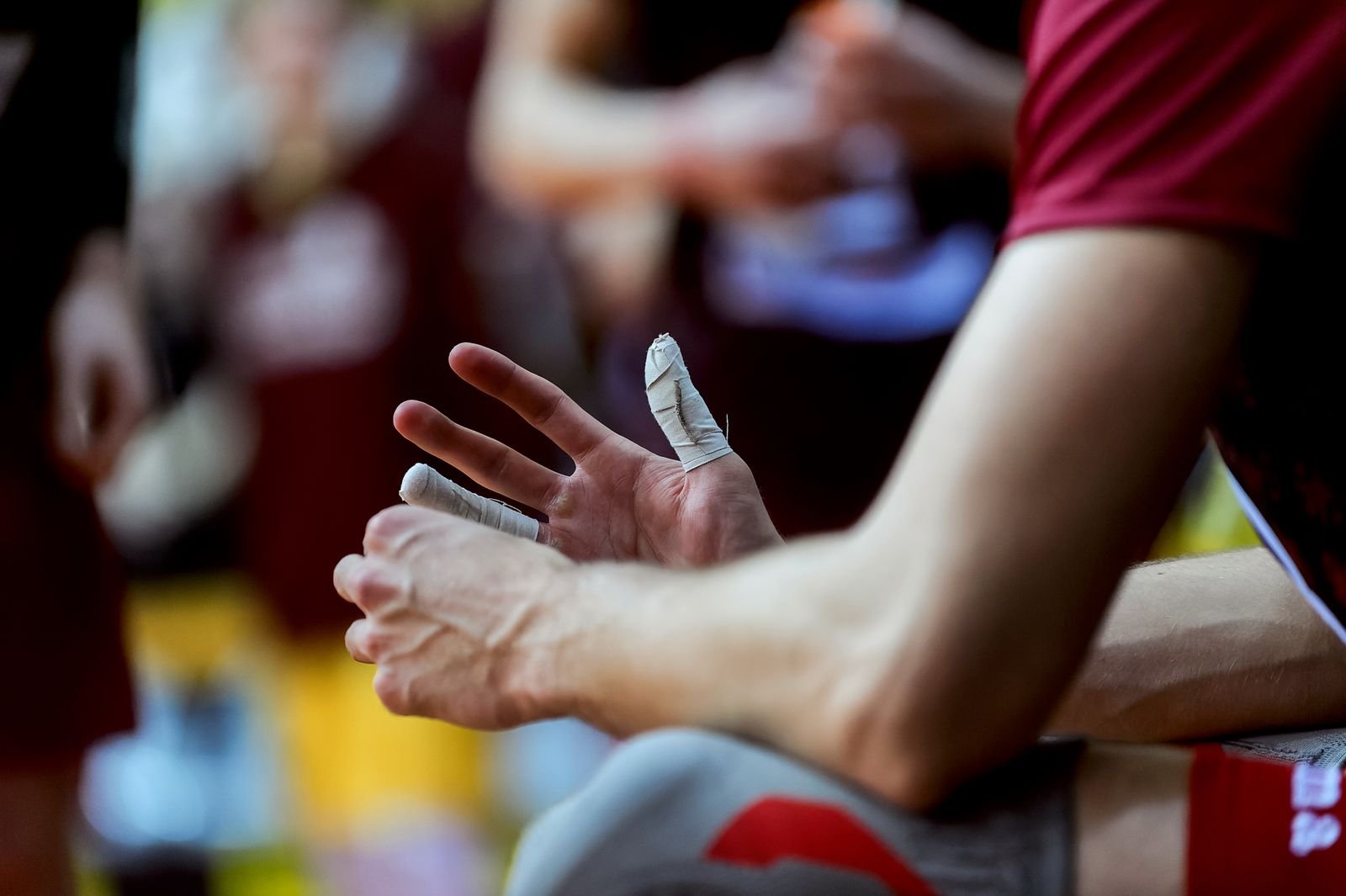
Once a clinician has properly assessed the grade of your injury, guided rehab plays a genuinely important role in recovery, regardless of whether you’re a climber or a grappler. At Impact Sports Rehabilitation, a rehabilitation consultation for a suspected pulley injury starts with understanding exactly what happened, the grip position, the sport, and the specific sensation at the moment of injury, since these details all feed into an accurate picture of severity. From there, supportive tools like Rocktape kinesiology taping, using a specific H-taping or ring-splint style technique to protect the pulley during controlled loading, alongside sports massage to manage surrounding tension and guided strengthening, help build a structured path back to full gripping capacity. This kind of individualised support matters particularly for grapplers, since general online guidance is overwhelmingly written for climbers and doesn’t always translate cleanly to the grip-fighting demands of BJJ or no-gi training. Many clients also find it genuinely helpful simply having someone check in on progress between stages, since knowing when it’s actually safe to add load back in is far more reliable than guessing based on how the finger feels on any given day.
Returning To Grip-Intensive Sport Without Re-Injury
A2 pulley injuries are genuinely prone to recurring if the return to grip-intensive training is rushed, which makes a graded, patient approach worth taking seriously rather than treating as overly cautious. This generally means avoiding full crimp positions, or their grappling equivalent of the hardest, most sudden grip-fighting exchanges, until pain-free gripping has been comfortably established through gentler positions first. Many people find gradually reintroducing load, starting with open-hand or half-crimp grips in climbing, or controlled, planned grip drills rather than live grip-fighting in grappling, and only progressing to the highest-demand positions once strength and confidence have genuinely returned, is what most reliably prevents a repeat injury. Continued taping for a period after returning to full training is also something many people find genuinely reassuring and protective during this transition, even once the finger feels essentially normal again. It’s also worth checking your finger tape and grip habits going forward, since some climbers and grapplers find that certain grip positions or gripping tendencies contributed to the original injury, and a therapist can help identify whether anything about your technique is worth adjusting, not just the recovery itself, as part of genuinely reducing the risk of this happening again down the line.
If you’ve felt a pop or sharp pain in a finger during climbing or grappling and suspect an A2 pulley injury, Impact Sports Rehabilitation in Eccles, Greater Manchester can properly assess the grade and build a genuine recovery plan around your specific sport and grip demands. We work with climbers, BJJ practitioners, and grip-intensive athletes throughout Eccles, Trafford, Salford, and the wider Manchester area, and online consultations are available if you’re further afield.
Frequently Asked Questions
How do I know if I’ve just strained it or actually torn it?
A strain typically causes discomfort mainly during harder gripping without any pop or visible change to the finger, while a partial or complete tear usually involves a distinct pop, more noticeable swelling, and a real loss of grip strength, sometimes with visible bowstringing in more severe cases. If you’re genuinely unsure, getting it properly assessed is far more reliable than guessing from the sensation alone.
Can I keep climbing or training if it doesn’t hurt that much?
This depends heavily on the actual grade of injury, which isn’t something you can reliably judge just from how much it currently hurts, since a partial tear can sometimes feel deceptively manageable in the moment. Getting an accurate assessment before deciding whether to keep training is genuinely the safer approach, especially given how prone this injury is to worsening with continued hard gripping.
Do grapplers actually get this injury, or is it just a climbing thing?
Grapplers genuinely do get A2 pulley injuries, particularly through sudden, forceful gi grip exchanges, and it’s a real gap in most online content that focuses almost exclusively on climbers. At Impact Sports Rehabilitation we treat this injury in BJJ and grappling athletes specifically, understanding that the grip-fighting mechanism is somewhat different from a controlled climbing crimp.
Will taping alone fix this, or do I need more than that?
Taping provides genuinely useful protective support during the healing and return-to-loading process, but it works best as part of a structured rehab approach rather than a standalone fix, particularly for anything beyond a mild strain. Many clients find combining taping with a properly graded loading programme produces a much more complete recovery than tape on its own.
How long until I can grip properly again?
This depends entirely on the grade of injury and how consistently you follow a structured return to loading, so there’s no single timeline that applies to everyone. Research suggests milder grade one injuries often progress faster than a complete rupture, but the safest approach is progressing based on how the finger is actually responding rather than a fixed date.
Is surgery likely for this kind of injury?
Most grade one to three A2 pulley injuries are managed successfully without surgery, and surgical repair is generally reserved for suspected multiple-pulley ruptures or a single rupture with significant functional loss and visible bowstringing. This is exactly the kind of distinction a proper clinical assessment helps clarify rather than something to assume either way on your own.
This article is educational and general in nature, and is not a substitute for professional medical diagnosis or treatment. A2 pulley injuries range from a mild strain to a complete rupture, and severity genuinely changes the appropriate treatment approach, particularly for a suspected complete rupture, which may need surgical assessment. Impact Sports Rehabilitation offers rehabilitation consultations to properly assess your specific injury and build an appropriate recovery plan.