Quick answer: Swelling after knee replacement is a completely normal part of the body’s healing response, and for many people it can take several months to fully settle, gradually easing rather than disappearing all at once. What matters most is the overall trend, steady improvement over time, rather than the swelling being completely gone by any particular week. Sudden new swelling, redness, warmth, or fever are different and need prompt medical attention.
If you’re a few weeks, or even a few months, past your knee replacement and still looking down at a swollen knee, you’re far from alone, and it’s completely understandable to want reassurance about what’s actually normal. Swelling after knee replacement is one of the most common things people ask about during recovery, and the honest answer is that some swelling is an expected, healthy part of how your body heals after this kind of surgery. This article is here to explain, in plain and straightforward terms, why that swelling happens, roughly how it tends to change over time, what you can do to feel more comfortable day to day, and, importantly, which signs mean it’s time to get checked rather than simply wait it out.
Why Some Swelling After Knee Replacement Is Normal
Knee replacement is a significant surgical procedure, involving cutting through skin, muscle, and bone, and your body responds to that in the same way it responds to any injury or surgery, by sending extra fluid and immune cells to the area to support healing. This natural inflammatory response is exactly why the knee, and often the lower leg and ankle too, can look and feel puffy in the weeks and months afterward. It isn’t a sign that something has gone wrong, it’s simply your body doing what it’s designed to do after this kind of trauma to the joint. Many people also notice the swelling is worse by the end of the day, after being on their feet more, and better first thing in the morning after a night lying down, which is a very typical pattern related to how fluid naturally settles with gravity rather than a cause for concern on its own.
How Long Swelling Typically Takes To Settle
There’s genuinely no single timeline that applies to everyone, since factors like your overall health, the specific surgical approach used, and how much activity you’re doing all play a role. That said, many people find that the most noticeable swelling gradually reduces over the first few weeks, while a milder, more residual puffiness around the knee can realistically continue for several months as the deeper tissues finish healing. Research and clinical experience both suggest that what matters far more than any specific date is the general direction of travel, if your swelling is slowly trending downward over successive weeks, even with the occasional worse day after a busier one, that’s generally the reassuring pattern to look for, rather than a fixed number of weeks you should be comparing yourself against.
Practical Ways To Manage Everyday Swelling
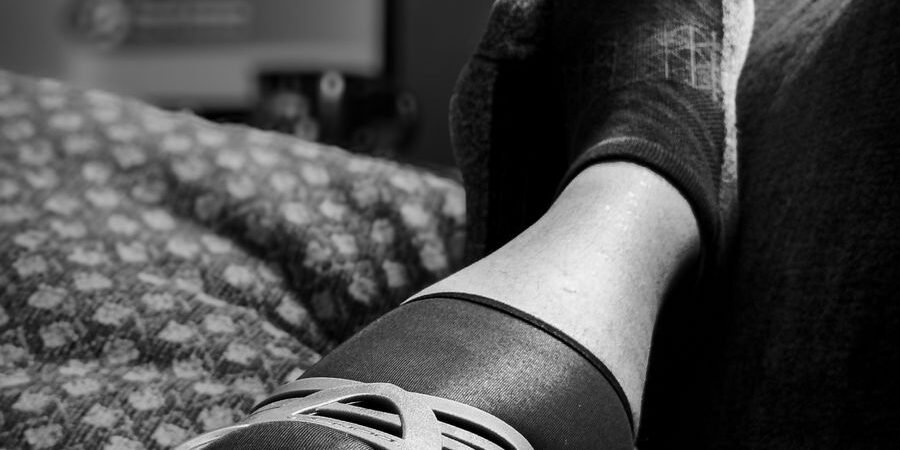
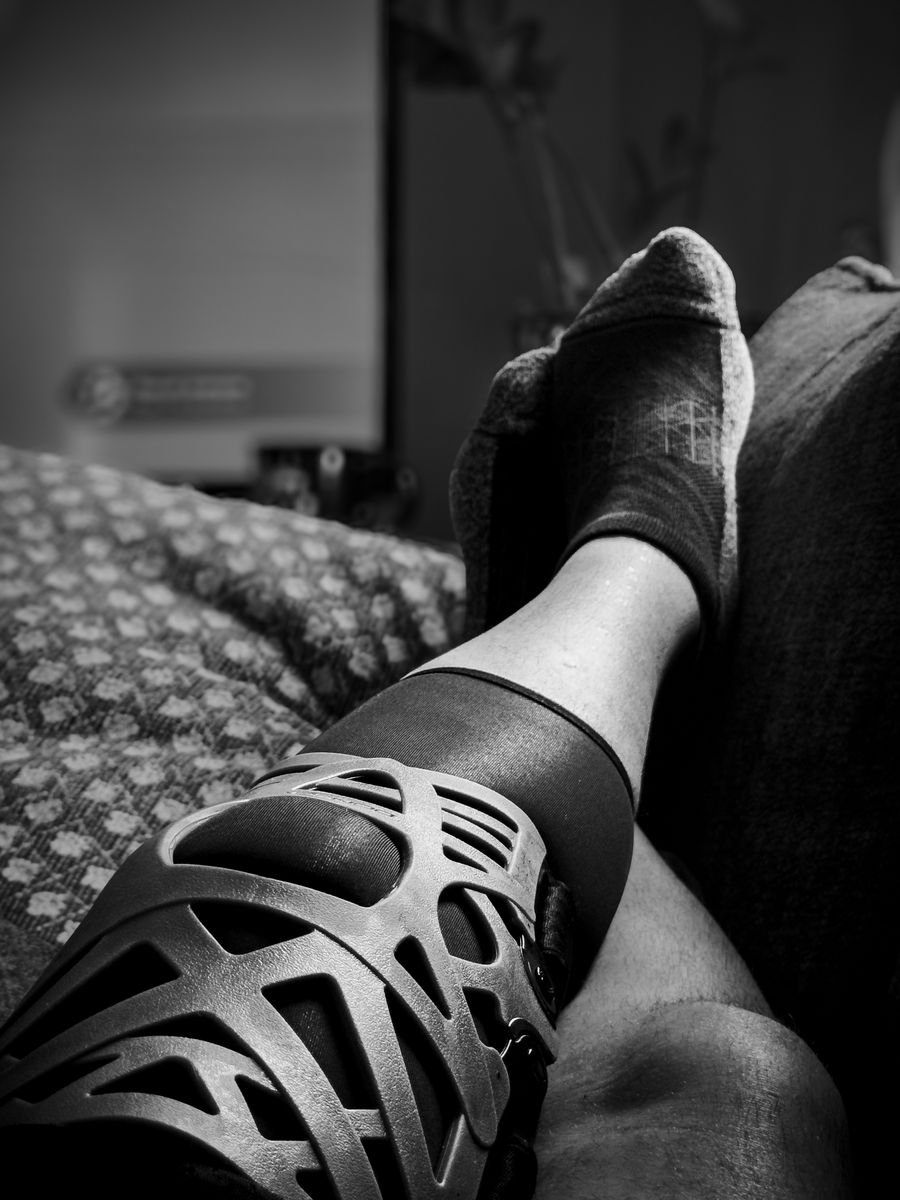
A few simple, low-effort habits tend to make a genuine difference to day-to-day comfort while your knee continues healing. Elevating the leg above the level of your heart for periods throughout the day, propped up on cushions while sitting or lying down, helps fluid drain away from the joint rather than pooling around it. Gentle, regular movement, such as the specific exercises given to you by your surgical or rehab team, and short, easy walks as advised, actually helps reduce swelling over time by supporting circulation, even though resting completely might feel more intuitive. Using an ice pack wrapped in a cloth for short periods can also help with comfort, and many people find alternating gentle movement with rest and elevation throughout the day works better than either constant activity or constant stillness. It’s worth checking with your surgical team about any specific guidance they’ve given you around compression stockings or other aids, since these are often part of a structured recovery plan tailored to your individual procedure. Pacing your day, breaking activity into shorter stretches with proper rest between them rather than pushing through a long walk or a full afternoon on your feet in one go, is another habit many people find genuinely helps keep swelling more manageable, particularly in the earlier weeks of recovery.
Red Flags That Need Urgent Medical Attention
This is genuinely the most important section of this article, because while some swelling is normal, certain patterns are not, and knowing the difference matters. Two serious complications, infection and blood clots, can both present with increased swelling, which is exactly why it’s worth understanding the specific signs that set them apart from ordinary healing swelling. Infection often brings swelling alongside redness that’s spreading or worsening rather than settling, skin that feels hot to the touch, a fever or chills, or any pus or foul-smelling discharge from the surgical site, and these signs together warrant urgent contact with your medical team rather than a wait-and-see approach. Blood clots, medically known as deep vein thrombosis, tend to show a different pattern, often one calf becoming noticeably larger, firmer, or more tender than the other, sometimes with warmth in that specific area, and importantly, this kind of swelling typically doesn’t improve overnight with rest and elevation the way ordinary post-surgical swelling usually does. One gap many general recovery guides don’t cover clearly enough is what happens if a clot moves to the lungs, called a pulmonary embolism, which is a genuine medical emergency, sudden shortness of breath, chest pain, or a rapid heartbeat alongside leg swelling needs immediate emergency attention, not a routine call the next morning. In our experience, patients who understand this specific distinction tend to feel more confident and less anxious about ordinary swelling precisely because they know what the genuinely serious signs actually look like. It’s also worth knowing that both infection and blood clots are considered more time-sensitive the longer they go unaddressed, so acting promptly on any of these signs, even if you turn out to be wrong and it’s nothing serious, is always the sensible choice over waiting to see whether things settle on their own.
How Guided Rehab Supports Recovery Alongside Your Surgical Team
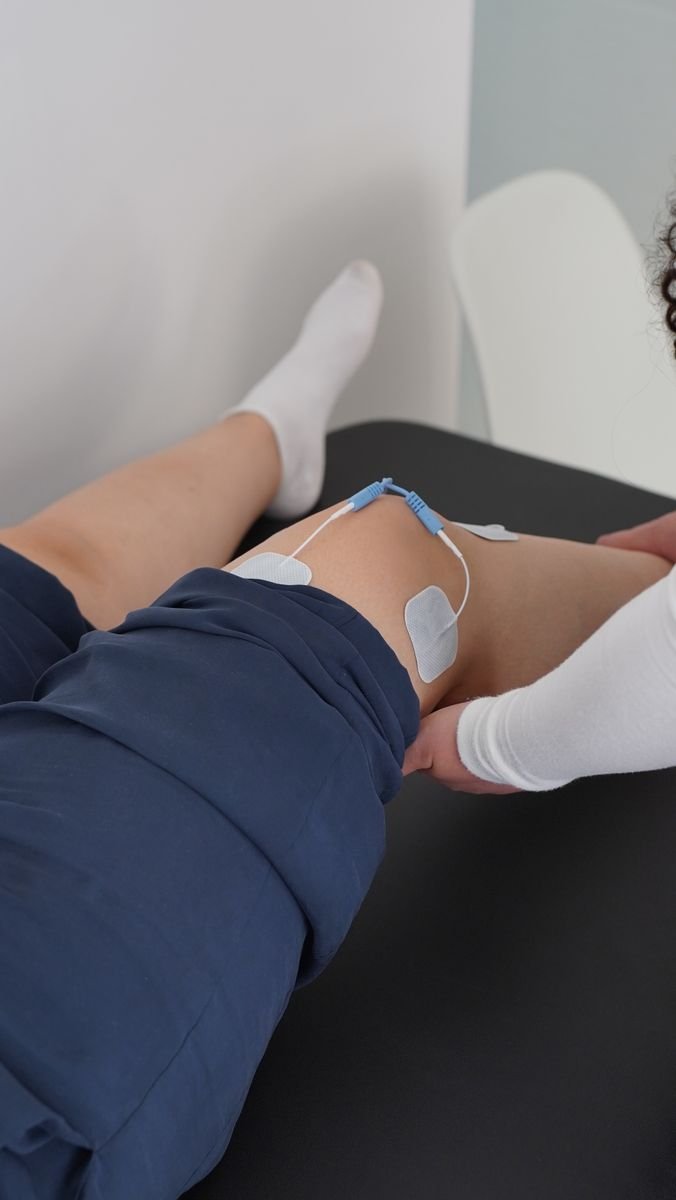
Once your surgical team has confirmed you’re progressing well and cleared you for the next stages of rehabilitation, guided exercise support can play a genuinely helpful role in your broader recovery, working alongside, never instead of, your surgical aftercare plan. At Impact Sports Rehabilitation, a rehabilitation consultation for post-surgical clients focuses on supporting the mobility, strength, and confidence goals set out by your surgical team, always in coordination with their guidance rather than independently of it. This kind of structured, guided support can be reassuring for people who feel unsure about how much movement is genuinely helpful versus how much rest they should be prioritising at each stage, since having someone experienced check in on your progress often takes some of the guesswork, and worry, out of recovery. Many clients also find it reassuring simply to have someone to ask when a new ache or a change in swelling comes up between surgical follow-up appointments, rather than sitting with that uncertainty until the next scheduled check-in.
When To Contact Your Surgical Team Versus Your GP
Knowing who to call can feel confusing during recovery, so it helps to have a general sense of which route fits which situation. Sudden, significant changes, a marked increase in swelling over a day or two, spreading redness, fever, chest pain, shortness of breath, or a calf that’s suddenly much more swollen or tender than the other, generally warrant contacting your surgical team or, for the most urgent symptoms like chest pain or breathing difficulty, seeking emergency care straight away rather than waiting for an appointment. Slower, more gradual concerns, general questions about your recovery pace, mild ongoing stiffness, or wanting reassurance about a pattern of swelling that seems to be behaving normally, are usually better suited to a routine follow-up with your surgical team or a conversation with your GP. If you’re ever genuinely unsure which category a symptom falls into, treating it as urgent and checking rather than waiting is always the safer choice, since, as with most post-surgical complications, both infection and blood clots are far easier to manage when caught early.
If you’ve been cleared by your surgical team and are looking for guided, coordinated support as you continue recovering from knee replacement, Impact Sports Rehabilitation in Eccles, Greater Manchester offers rehabilitation consultations that work alongside your existing surgical aftercare plan. We support clients throughout Eccles, Trafford, Salford, and the wider Manchester area, and online consultations are available if travelling in person isn’t practical for you.
Frequently Asked Questions
Is it normal for my whole leg to swell, not just the knee, after a knee replacement?
Yes, many people notice swelling extending into the lower leg, ankle, and sometimes even the foot, since fluid naturally moves downward with gravity, and this is generally still part of the normal healing response. If the swelling is markedly worse in one leg compared to the other, or comes with calf pain or tenderness, that’s worth getting checked rather than assumed to be the usual pattern.
How do I know if my swelling is infection or just normal healing?
Normal healing swelling tends to be gradual, symmetric to the surgical area, and slowly improving over time, whereas infection typically brings spreading redness, warmth, fever, or discharge from the wound alongside the swelling. If you’re genuinely unsure, it’s always worth contacting your surgical team for reassurance rather than guessing at home.
Can I keep exercising if my knee is still swollen?
Gentle, guided movement is often encouraged even with some swelling present, since appropriate activity actually supports circulation and healing, but this should always follow the specific guidance given by your surgical or rehab team for your stage of recovery. Sudden increases in swelling after activity, rather than the usual mild end-of-day puffiness, are worth mentioning to your team.
Should I be worried if the swelling seems to come and go rather than steadily improving?
Many people notice some day-to-day variation, worse after a more active day and better after rest and elevation, which is generally a normal part of the pattern rather than a cause for concern. What’s more important is the overall trend across weeks rather than any single day, so if you’re seeing gradual improvement over time, occasional fluctuation is usually nothing to worry about.
When can I start seeing a therapist like Impact Sports Rehabilitation for my knee replacement recovery?
This depends entirely on your surgical team’s guidance and where you are in your individual recovery plan, since post-surgical rehab timing genuinely varies from person to person. Once you’ve been cleared to begin structured rehabilitation, Impact Sports Rehabilitation can support that process in coordination with your surgical aftercare, rather than as a substitute for it.
Is swelling months after surgery still normal, or should it be completely gone by then?
Residual, milder swelling continuing for several months is genuinely common as the deeper tissues around the joint finish healing, and it doesn’t necessarily mean anything has gone wrong. If it’s not gradually trending in the right direction, or if new symptoms appear alongside it, that’s the point to raise it with your surgical team rather than continuing to wait.
This article is educational and general in nature, provided by Impact Sports Rehabilitation, and is not a substitute for professional medical diagnosis or treatment. Swelling patterns after knee replacement vary from person to person, and any concerns about infection, blood clots, or your individual recovery should be directed to your surgical team promptly.