Quick answer: Before and after cupping therapy, you can generally expect a brief consultation and skin check beforehand, a suction sensation during the session itself, and circular marks on the skin afterward that typically fade within a few days to around a week. These marks are a normal, expected result of the suction process rather than a sign of a problem, and individual experience genuinely varies. This is general education, not a promise of specific results.
If you’re curious about cupping but slightly nervous about the marks it’s known for, you’re far from the only one, it’s genuinely one of the most common questions people have before their first session, right alongside wondering whether it will actually hurt. Here’s an honest, practical guide to what actually happens before, during, and after cupping therapy.
What Happens Before A Cupping Session
A typical cupping session starts with a conversation about what you’re hoping to address, whether that’s muscle tightness, recovery from training, or general tension, and a check of your skin and general health to confirm cupping is genuinely appropriate for you. The practitioner will usually explain what to expect, answer any questions, and check for anything that might mean adjusting the approach, certain skin conditions, recent injuries in the area, or other factors worth knowing about beforehand.
It’s a genuinely good idea to mention any medications that affect blood clotting, since this can influence how the skin responds to suction, and to flag if you’re pregnant, since cupping in certain areas isn’t generally recommended during pregnancy. None of this is meant to sound alarming, it’s simply the kind of honest, practical conversation a proper consultation should include before any suction actually starts.
What Actually Happens During The Session
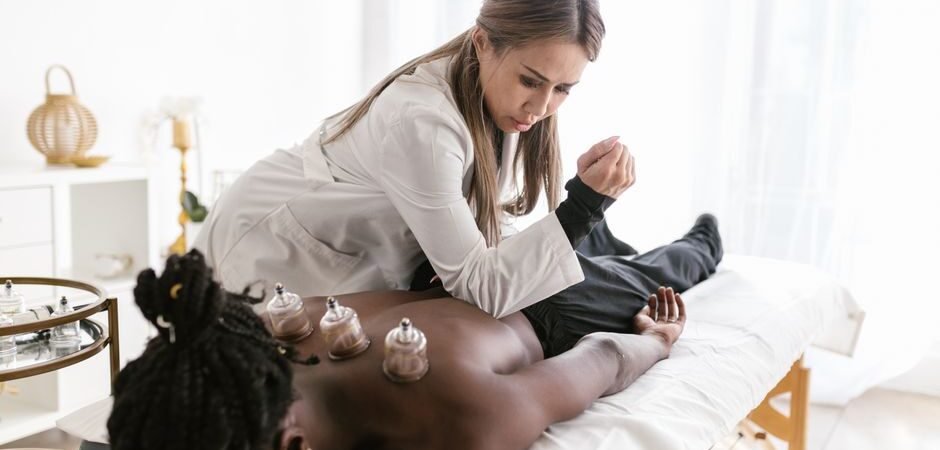
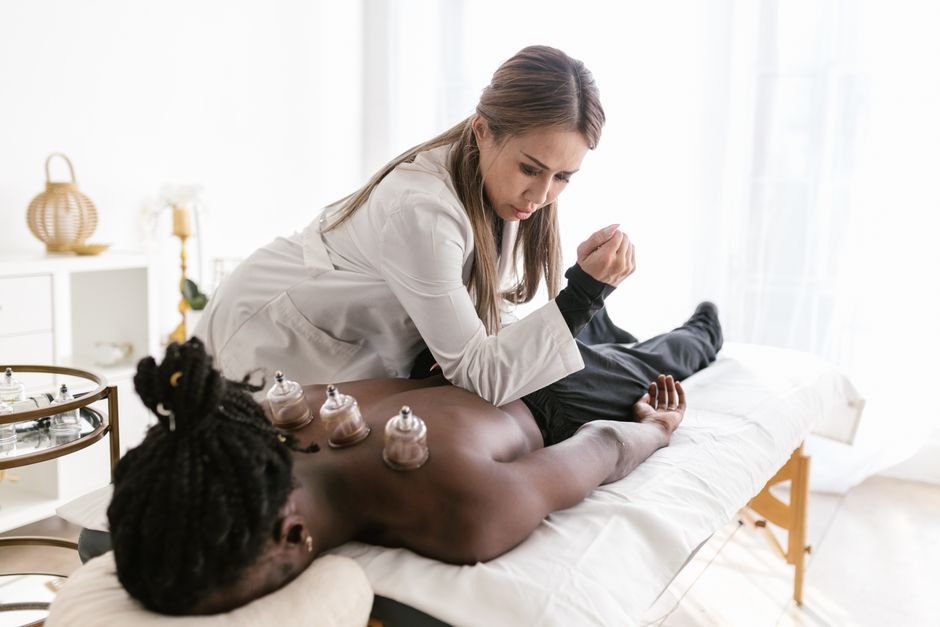
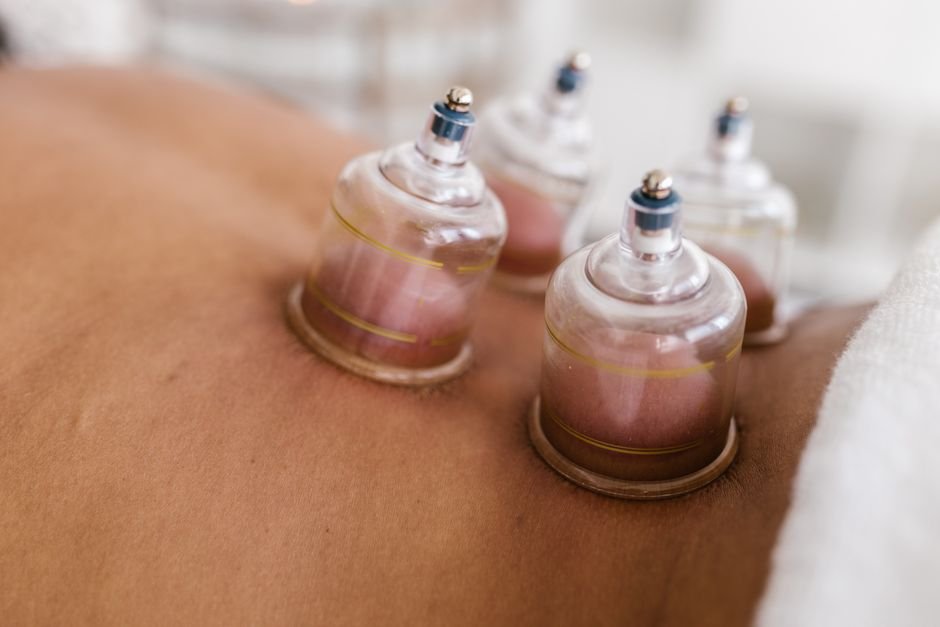
Cupping uses suction, created either with a small pump or through heat, to draw the skin and underlying tissue gently upward into the cup, which is then left in place or moved slowly across the area for a period of time. Most people describe the sensation as a distinctive pulling or tight feeling rather than pain, genuinely different from a massage’s direct pressure, since the suction is drawing tissue upward rather than pressing down into it.
There are a couple of different approaches worth knowing about too. Static cupping leaves the cups in place over a specific area for several minutes, while moving, or dynamic, cupping involves gliding the cups slowly across the skin, often with a small amount of oil applied first to help them move smoothly. Which approach makes sense depends on what’s genuinely being addressed, and a practitioner will typically choose, or combine, these based on your specific goals for the session rather than applying the same technique to everyone regardless of what they’re actually there for. Sessions typically run somewhere between 10 and 20 minutes depending on how many areas are being treated and which approach is being used, though this genuinely varies from person to person and session to session.
What To Expect Immediately After
Once the cups are removed, the treated area usually shows the circular marks cupping is known for, along with a sense of warmth or mild tightness in the skin itself. Many people find the area feels genuinely looser afterward, though this varies by person and by what’s being addressed. The marks themselves are typically painless to look at and often surprisingly non-tender to the touch, which catches a lot of first-timers off guard given how dramatic they can look.
Some people also notice a temporary reddening of the skin immediately surrounding the marks, along with a general sense of relaxation similar to how you might feel after a massage. Mild tiredness for the rest of the day is something a few people mention too, though this genuinely varies, and plenty of people feel completely normal and go straight back to their usual activities.
Why Cupping Leaves Marks, And How Long They Actually Last
This is genuinely where most cupping content either avoids the topic entirely or oversells the marks as diagnostic, claiming darker marks mean more “toxins” or worse underlying problems, which isn’t something the evidence actually supports. Here’s the honest, practical explanation instead. The suction draws blood toward the skin’s surface and can cause minor, controlled capillary changes beneath the skin, which is what produces the circular discolouration, ranging from light pink to a deeper purple depending on the suction level, your skin, and the specific area treated.
It’s genuinely worth understanding how this differs from a normal bruise. An everyday bruise comes from blunt impact damaging tissue and is usually tender to press, while a cupping mark comes from controlled suction with no impact involved, which is exactly why most people feel little to nothing when pressing on it, even when the mark looks fairly dramatic. In terms of timeline, marks typically fade within roughly three to seven days, though a first session, or an area treated with stronger suction, can sometimes take closer to ten days to fully clear. Lighter, pinker marks often clear noticeably faster than darker ones. None of this is a fixed rule, individual skin and circulation genuinely vary, but it gives a realistic general expectation rather than either alarming claims or vague reassurance.
It’s also worth directly addressing a claim that circulates a lot online, that cupping marks represent “toxins” being drawn out of the body, with darker marks supposedly meaning more toxins were present. This isn’t something the evidence actually supports, the discolouration comes from blood pooling and minor capillary changes beneath the skin, not from any kind of toxin extraction. A genuinely honest practitioner will explain the real mechanism rather than lean into this more dramatic-sounding but unsupported explanation, and it’s worth being wary of any cupping content that presents mark colour as a diagnostic tool for what’s supposedly wrong with you.
How To Prepare For And Care For Your Skin Around A Session
Arriving with clean, product-free skin in the area being treated helps the cups create a proper seal, and mentioning any skin sensitivities or recent sunburn beforehand is genuinely worth doing. Afterward, keeping the area covered from direct sun exposure while marks are present, and avoiding any harsh scrubbing directly over the marked skin, are simple, practical habits many people find helpful while marks fade naturally on their own.
Staying reasonably hydrated in the day or two around a session is another small, practical habit many people find genuinely helpful, alongside gentle movement rather than immediately jumping into intense training on the same treated area. None of this is about being precious with the skin, marks are a completely normal part of the process, but a little basic care tends to make the experience more comfortable while everything settles.
What To Expect At Impact Sports Rehabilitation
At Impact Sports Rehabilitation, a cupping session starts with an honest conversation about what you’re hoping to get from it and completely realistic expectations about the marks, rather than any exaggerated claims about what they supposedly mean. The practitioner will talk you through the whole process before starting, so nothing about the sensation or the marks afterward comes as a surprise. Given the clinic’s genuine experience with everyday athletes and combat-sports practitioners, cupping is also often discussed as part of a wider recovery approach alongside sports massage or guided rehab, rather than as a standalone fix.
If you’re curious about cupping but want completely honest expectations first, Impact Sports Rehabilitation works with clients across Eccles, Greater Manchester. Ask about an online consultation if you’re further afield.
Frequently Asked Questions
Does cupping actually hurt?
Most people describe the sensation as a pulling or tight feeling rather than pain, genuinely different from the direct pressure of a massage. If anything feels like genuine pain rather than a strong pulling sensation, telling your practitioner so they can adjust is always the right move.
Will the marks show through my clothes at work tomorrow?
This depends on where the marks are and what you’re wearing, but many people find covering the area with clothing works fine once the immediate treatment is done. It’s worth planning your session with this in mind if visible marks would be inconvenient for your work or plans.
Do darker marks mean something is more wrong with me?
No, genuinely, there’s no solid evidence supporting the idea that mark colour or intensity indicates the severity of an underlying issue. Mark appearance varies by suction level, skin type, and area treated, not by how much something is “wrong” with you.
How long until I can exercise or shower normally after a session?
Many people find they can shower and return to normal activity fairly soon afterward, though it’s worth checking with your practitioner about anything specific to your session. Avoiding harsh scrubbing directly over marked skin while it heals is a sensible general habit.
Is cupping actually backed by evidence, or is it just placebo?
Research on cupping’s effects, including on skin blood flow, exists and continues to develop, though we wouldn’t want to overstate specific outcomes for your particular situation. Many people find genuine value in it as part of a wider recovery approach, and it’s worth discussing honestly with your practitioner rather than relying on exaggerated claims either way.
This article is provided for general educational purposes by Impact Sports Rehabilitation, and individual experience with cupping therapy genuinely varies. This content does not constitute medical advice and is not a substitute for professional assessment.