
Quick answer: Middle back pain exercises that genuinely help typically combine thoracic spine mobility work with strengthening of the muscles between the shoulder blades, since desk posture and prolonged sitting tend to create a specific, recognisable pattern of tightness and weakness rather than simple general tension. Many people find addressing both mobility and strength together works better than stretching alone, though the right approach depends on what’s actually driving your specific pain. This is general education, not a personalised treatment plan.
Middle back pain has a genuinely different character from lower back pain, and a lot of generic advice doesn’t account for that, treating it as simple tension when there’s usually a more specific mechanism at play. Here’s an honest look at middle back pain exercises that actually address what’s usually going on, particularly for anyone whose pain seems linked to desk work or prolonged sitting.
Why Middle Back Pain Often Has A Specific Postural Pattern
This is genuinely underexplained in a lot of middle back pain content, which tends to offer generic stretches without explaining the actual mechanism behind desk-related pain. Prolonged sitting and screen use tend to produce a recognisable pattern, sometimes called upper crossed syndrome, where the chest muscles and the muscles at the front of the neck become tight and shortened, while the muscles between the shoulder blades and the deep neck flexors become correspondingly weak and lengthened. This combination pulls the head forward and rounds the upper back, placing sustained, low-level strain on the thoracic spine and the muscles trying to hold it upright against that pull.
Understanding this pattern genuinely matters, because it explains why stretching alone, without addressing the weakness side of the equation, often provides only temporary relief. The tight muscles keep winning the tug-of-war against the weak ones once the stretch wears off, which is exactly why a combined mobility-and-strengthening approach tends to work better than stretching in isolation.
It’s worth being clear that not every case of middle back pain fits this exact pattern, athletes and grapplers can develop middle back tightness and discomfort from training load, repetitive movement patterns, or a specific injury just as easily as from a desk job. But for the genuinely large number of people whose middle back pain builds gradually alongside long hours at a screen, recognising this specific postural mechanism, rather than treating it as generic, unexplained tension, changes what kind of exercise approach actually makes sense.
Thoracic Mobility Exercises That Address The Root Pattern
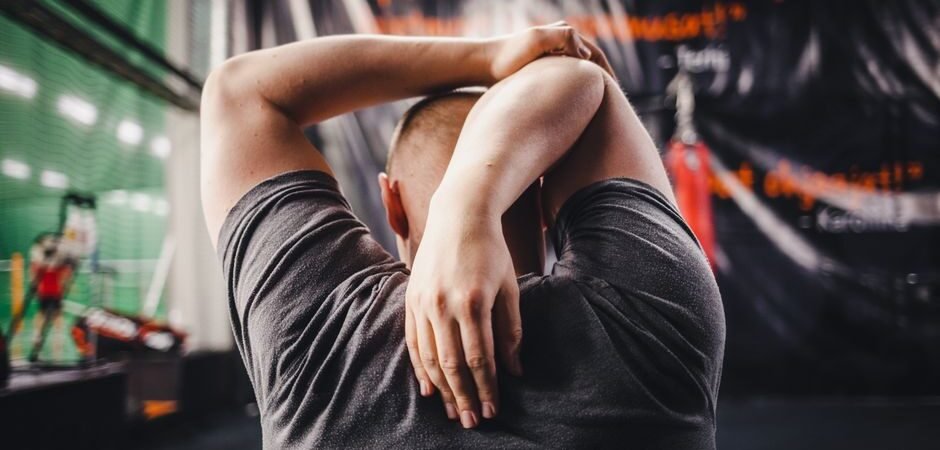
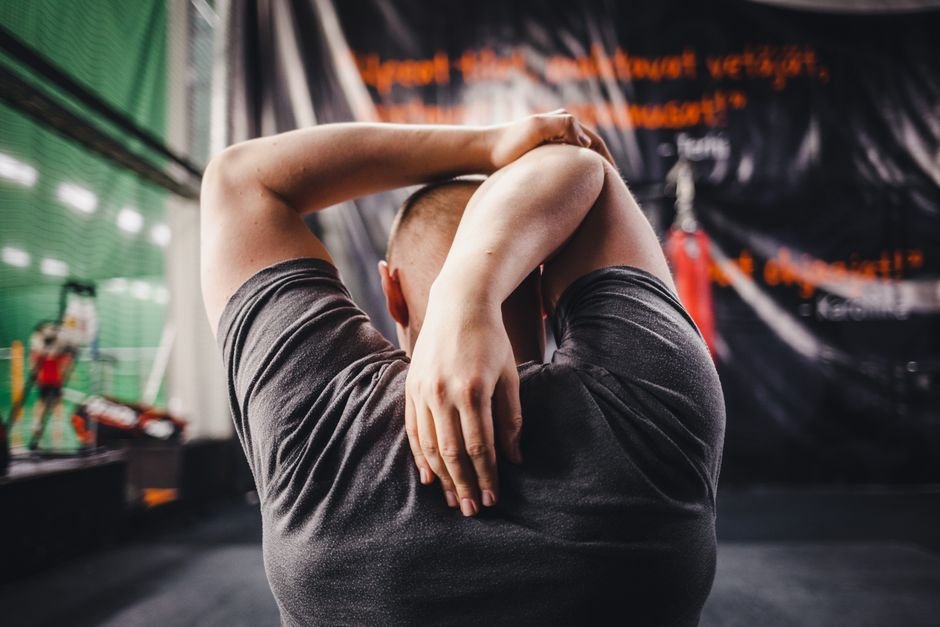
Thoracic extension work, gently arching the upper back against the direction it’s been pulled into by prolonged sitting, is a genuinely useful category of exercise here, since it directly counters the rounded posture that desk work tends to reinforce over the course of a day. Rotational mobility through the thoracic spine, gently rotating the upper back while keeping the hips still, also tends to help, since thoracic rotation is commonly restricted alongside the flexed, rounded posture pattern.
These mobility exercises work best done consistently and briefly throughout the day, rather than as a single, longer session, since the postural pattern itself builds up gradually through hours of static sitting, and short, frequent counter-movement tends to be more effective at genuinely interrupting that build-up than one isolated stretch break. Many people find pairing a specific mobility movement with an existing daily habit, standing up during a phone call, or between meetings, makes this kind of consistency considerably easier to maintain than relying on remembering to do a dedicated exercise session.
Strengthening The Muscles That Hold Good Posture
Strengthening the muscles between the shoulder blades, the rhomboids and mid-trapezius specifically, alongside the deep neck flexors, is the other genuinely essential half of this equation. Rows, band pull-aparts, and exercises that specifically train retraction and control of the shoulder blades tend to build the strength these muscles need to actually hold posture throughout a working day, rather than relying purely on conscious effort that inevitably fades by the afternoon. This is exactly why “just sit up straight” tends to fail as advice on its own, consciously correcting posture works for a few minutes before fatigue sets back in, whereas genuinely stronger postural muscles can hold that position with considerably less ongoing conscious effort. Our coverage of rhomboid pain and rhomboid strain goes into more specific detail on that particular muscle group, for readers whose pain is centred there specifically.
Chest opening stretches genuinely have a place here too, but they work best as one part of this combined approach rather than the whole solution, loosening the tight side of the pattern while the strengthening work addresses the weak side.
Deep neck flexor strengthening, gentle chin tucks that engage the muscles at the front of the neck without simply jutting the chin forward and back, is another genuinely useful piece that a lot of middle back pain content leaves out entirely, focusing purely on the shoulder blades. Since the forward head position is such a central part of the overall pattern, addressing the neck’s own contribution alongside the upper back tends to produce a more complete result than working on the shoulder blades in isolation, and it’s a genuinely simple exercise to add to an existing routine without needing any equipment.
Practical Posture And Workstation Adjustments
Beyond specific exercises, regular movement breaks genuinely matter, even brief ones, since the core issue is sustained static positioning rather than any single posture being inherently wrong. Many people find setting a reminder to stand, move, or simply change position every 30 to 45 minutes genuinely helps break up the cumulative loading that builds through a static working day, and even a brief 10 to 20 second postural reset done consistently throughout the day tends to add up to more genuine benefit than one longer stretch break squeezed in occasionally. Workstation adjustments, screen height, chair support, and keyboard position, can also reduce how much the setup itself is reinforcing the pattern in the first place. A screen positioned too low, forcing the head to tilt down and forward for extended periods, is a genuinely common, easily overlooked contributor, and raising it to roughly eye level is a small, practical change many people find makes a real difference alongside the exercises themselves.
Sleep position can play a role too, particularly for anyone who spends a significant part of the night curled forward in a way that mirrors the same rounded posture pattern from the daytime. This is a smaller factor than desk setup for most people, but it’s worth being aware of if middle back pain feels notably worse first thing in the morning specifically, since it can point toward the sleeping position as a contributing factor worth adjusting alongside the daytime changes.

How Sports Rehab Builds A Program For Your Specific Pattern
At Impact Sports Rehabilitation, a middle back pain programme is built around your specific posture pattern, work setup, and daily demands, rather than a generic stretch list. This runs alongside our rehabilitation consultations, and sports massage may also be discussed as a supportive option for the tight, overworked muscles typically involved in this pattern. Whether your middle back pain is linked to a desk job, training load, or a combination of both, a proper assessment identifies which specific pieces of this pattern actually apply to you, rather than applying a generic postural correction programme regardless of the real cause.
If desk-related middle back pain keeps coming back despite stretching, Impact Sports Rehabilitation works with clients across Eccles, Greater Manchester. Ask about an online consultation if you’re further afield.
Frequently Asked Questions
Why does stretching only help my middle back pain temporarily?
This is a genuinely common pattern, stretching addresses the tight side of a postural imbalance but doesn’t build the strength needed on the weaker side to actually hold better posture over time. Combining stretching with targeted strengthening tends to produce more lasting results than stretching alone.
Is my middle back pain caused by my desk setup?
Prolonged sitting and screen use are genuinely common contributors to this specific pattern of middle back pain, though other factors can play a role too. A proper assessment can help clarify what’s genuinely driving your specific pain rather than assuming based on symptoms alone, since training load, an old injury, or even referred discomfort from elsewhere can sometimes present in a way that looks similar to postural pain on the surface.
How long before middle back pain exercises actually help?
This varies considerably depending on how long the pattern has been present and how consistently exercises are followed, so we wouldn’t want to give a fixed timeline without an assessment. Many people find gradual improvement over weeks of consistent mobility and strengthening work.
Could this actually be something more serious than posture?
Most middle back pain linked to desk posture is genuinely mechanical rather than serious, but persistent pain that isn’t improving, or pain alongside other concerning symptoms, is worth getting properly assessed rather than assuming it’s purely postural. We wouldn’t want to guess at your specific situation without seeing you.
Can sports massage actually help with this kind of back pain?
Many people find sports massage genuinely useful for easing the tight, overworked muscles typically involved in this pattern, though it works best alongside, rather than instead of, the mobility and strengthening exercises addressing the underlying cause. It’s worth discussing as part of a wider approach at your assessment.
This article is provided for general educational purposes by Impact Sports Rehabilitation and does not constitute medical advice, diagnosis, or treatment. Persistent, severe, or worsening middle back pain should be properly assessed by a qualified physiotherapist, sports therapist, or doctor.


