Quick answer: Grade 2 quad strain recovery time is typically reported as somewhere in the region of four to eight weeks, though this is a general range rather than a guarantee for any individual case. Muscle tissue itself often settles within the first few weeks, with the remaining time needed for strengthening and a genuinely graded return to sport. Your own clinician’s specific guidance should take priority over any general timeline. This is general education, not a personalised recovery timeline.
Being told you have a grade 2 quad strain naturally raises the question of how long you’re actually looking at, and generic “a few weeks” answers rarely feel satisfying. Here’s a realistic, honest breakdown of what grade 2 quad strain recovery time genuinely tends to look like.
What A Grade 2 Strain Means Compared To Grade 1 And Grade 3
Muscle strains are typically graded on a three-point scale, grade one describes a mild strain with minimal fibre damage, grade two describes a moderate strain with partial fibre tearing, and grade three describes a severe, complete tear. A grade 2 strain sits in the middle, involving genuine muscle fibre damage without a complete rupture, which is why it typically causes more significant pain, swelling, and strength loss than a grade 1 strain, while generally recovering faster than a grade 3.
This grading genuinely matters for setting realistic expectations, since online searches often blur grades together into vague, overly optimistic timelines that don’t reflect the real difference in recovery time between a mild strain and a more significant one. Grading is typically confirmed through a clinical assessment, checking strength, tenderness, and how the muscle responds to specific movements, sometimes alongside imaging for more significant or uncertain presentations, rather than something reliably self-diagnosed from how the injury felt at the time.
Typical General Recovery Time Ranges Reported For Grade 2 Strains
General ranges reported in rehab settings for grade 2 quad strains commonly fall somewhere between four and eight weeks, with the muscle tissue itself often settling within the first three to four weeks, followed by further time needed for strengthening and a graded return to full activity. It’s genuinely worth being clear that these are typical ranges reported across many cases, not a guarantee for your specific injury, and your own clinician’s assessment of your particular strain is the more reliable guide. A useful way to think about the range is that it reflects genuine biological variation between individuals and injuries, not uncertainty or vagueness on the part of whoever is treating you, two people with a technically similar grading can still have meaningfully different real-world recovery experiences.
Factors That Tend To Influence Recovery Time
Age is a genuinely recognised factor, with tissue in older athletes sometimes taking somewhat longer to recover than in younger athletes, all else being equal. The specific location of the strain within the quadriceps also matters, strains closer to where the muscle meets its tendon sometimes behave differently to strains within the main muscle belly.
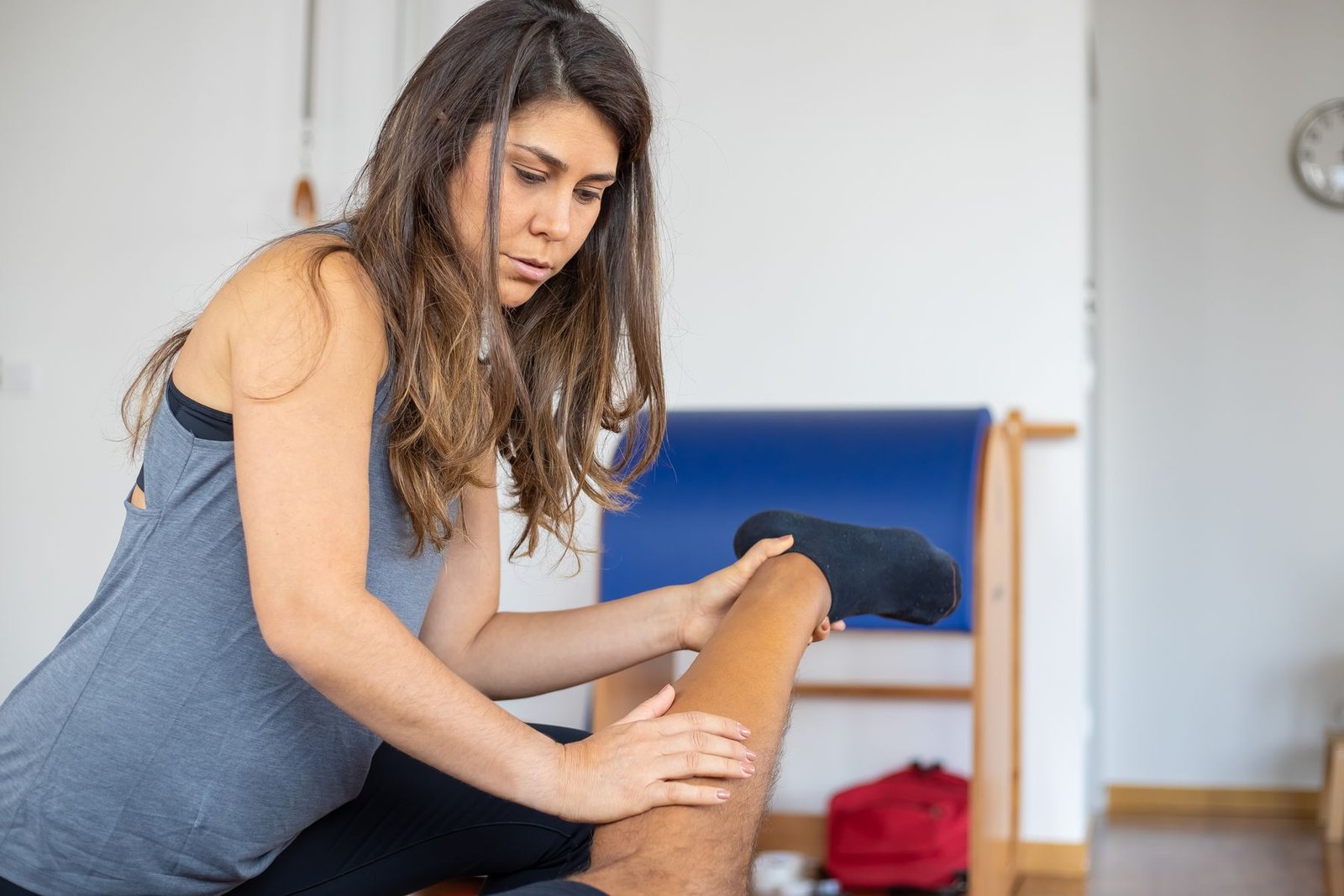
How early and how consistently rehab begins genuinely influences the overall timeline too, starting appropriate, guided movement early rather than resting completely tends to support a more efficient recovery, while inconsistent or delayed rehab tends to extend it. General health, sleep, and nutrition also play a supportive, if less dramatic, role in how efficiently tissue repairs itself. The severity of the original injury genuinely matters too, a strain right at the borderline between grade 1 and grade 2 tends to sit toward the shorter end of the typical range, while one closer to the borderline with grade 3 tends to sit toward the longer end, even though both are technically graded as “grade 2.”
What The General Recovery Stages Typically Look Like
The early stage generally focuses on managing pain and swelling and protecting the area while it begins healing, sometimes including a period of reduced weight-bearing depending on severity. The middle stage introduces progressive strengthening, starting with gentle, controlled exercises and gradually increasing demand as the muscle tolerates it.
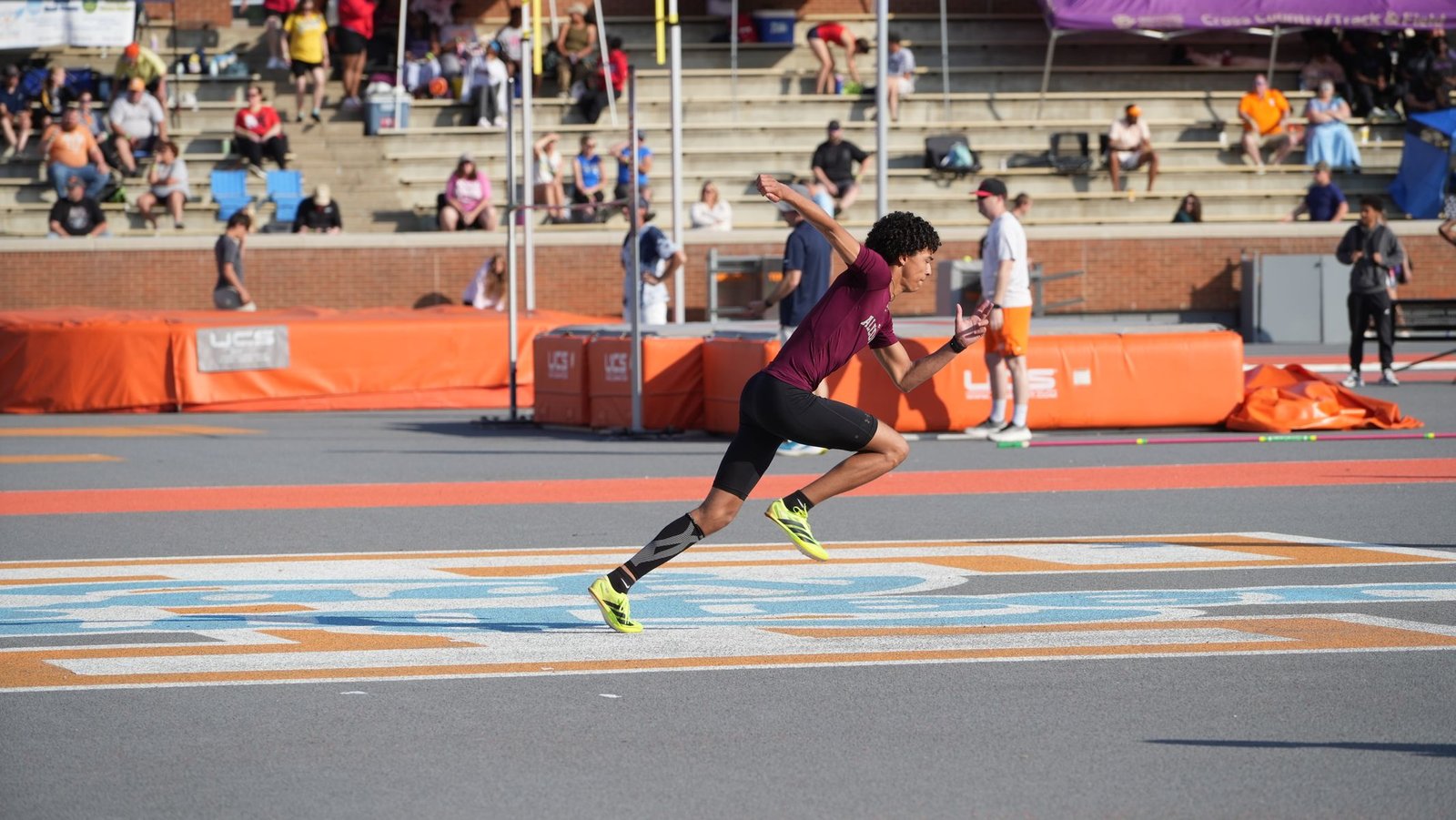
The later stage builds toward functional, sport-specific movement, agility work, running mechanics, and eventually the specific demands of your sport, before a genuinely graded return to competition. A commonly used general guideline for this final transition is reintegrating into full training gradually, roughly one week of graded training for every two weeks you were out, alongside your clinician confirming your injured leg has recovered strength reasonably close to your uninjured side before clearing full return.
Signs You’re Progressing Well Versus Signs Of A Setback
Steadily improving strength, reducing pain during and after activity, and a gradually expanding range of comfortable movement are all reasonable signs of genuine progress. A setback, by contrast, typically shows up as pain that suddenly worsens rather than gradually easing, renewed swelling after it had settled, or a feeling of the muscle “giving” during activity.
If progress plateaus for an extended period without any clear improvement, that’s also worth flagging to your treating clinician rather than assuming it will simply resolve with more time alone.
What To Expect When You Book An Assessment With Impact Sports Rehab
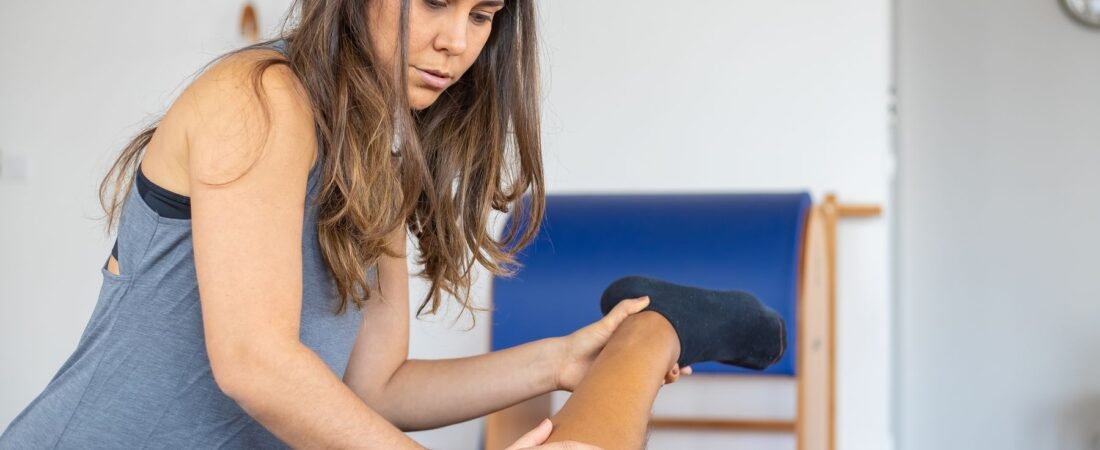
At Impact Sports Rehabilitation, an assessment for a grade 2 quad strain confirms severity and builds a genuinely staged recovery plan reflecting your specific injury and sport, rather than a generic timeline. This ties into the broader picture covered in quadriceps strain, with the specific pacing and progression tailored to your particular case.
If you’re navigating a grade 2 quad strain and want a realistic recovery plan, Impact Sports Rehabilitation works with clients across Eccles, Trafford, and Salford on genuinely staged assessment and rehab. Ask about an online consultation if you’re further afield.
Frequently Asked Questions
Is my recovery taking longer than typical, and should I worry?
Recovery genuinely varies by individual, and typical ranges are broad rather than precise, so a slightly longer timeline than average doesn’t necessarily indicate a problem. That said, if progress has clearly plateaued or you’re concerned, checking in with your treating clinician is a sensible step rather than just waiting.
Will returning to sport early risk re-injury?
Yes, genuinely, returning before strength and functional capacity have adequately recovered is a well-recognised risk factor for re-injury, sometimes to a more significant degree than the original strain. A graded, guided return tends to reduce this risk considerably compared to jumping straight back to full training.
How do I know my recovery is on track?
Steadily improving strength, reducing pain, and expanding comfortable range of movement are all reasonable signs of genuine progress, while a physiotherapist or sports therapist can more precisely measure things like strength compared to your uninjured leg. Regular reassessment tends to give a clearer, more objective picture than judging purely by how it feels.
Can I do anything to speed up the timeline?
There’s no genuine shortcut that meaningfully accelerates the biological healing process itself, but appropriate, early, guided rehab helps you recover as efficiently as your body’s own timeline allows, and avoiding setbacks matters more than chasing shortcuts. Consistency with your rehab programme is one of the more genuinely influential factors within your control.
What happens if I don’t do any rehab exercises at all?
Skipping structured rehab tends to leave the muscle under-prepared for a full return to sport, even once pain has settled, since strength and functional capacity don’t reliably return on their own without targeted work. This is a common reason people feel their leg “isn’t quite right” even well after the acute pain has resolved.
This article is provided for general educational purposes by Impact Sports Rehabilitation and does not constitute medical advice, diagnosis, or treatment. It presents general recovery time ranges reported in rehab settings, not a guarantee for any individual, and you should follow your own clinician’s specific guidance. Always seek the guidance of a qualified physiotherapist, sports therapist, or doctor for individual assessment and diagnosis.