
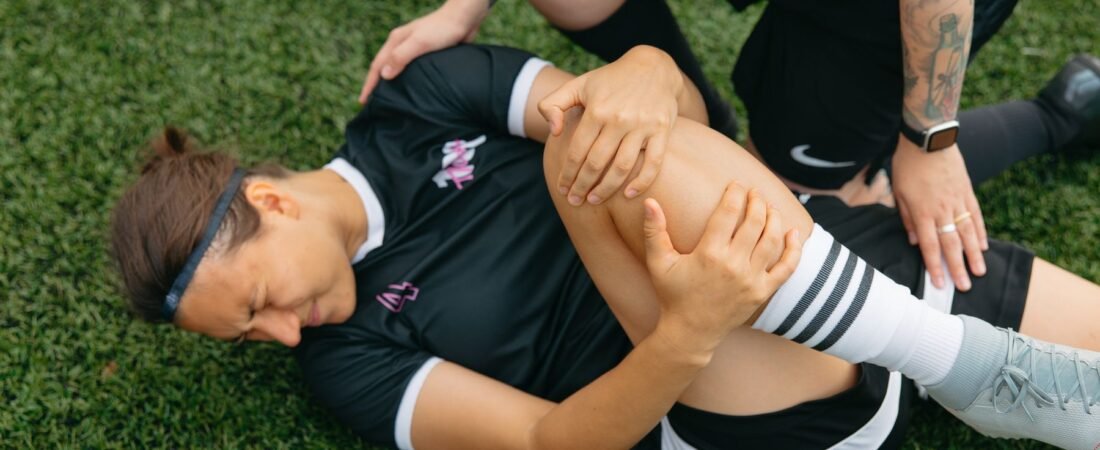
Quick answer: Common LCL injury symptoms include pain and tenderness on the outer side of the knee, swelling, and a sense of the knee giving way or feeling unstable, particularly during side-to-side movement. Some people notice a pop at the moment of injury, especially with a more significant tear. LCL injuries are less common than other knee ligament injuries and often involve nearby structures, so a proper assessment is genuinely important rather than assuming it’s an isolated, straightforward sprain.
Outer knee pain after an awkward twist, a direct blow, or a heavy fall naturally raises the question of whether the LCL is involved. LCL injury symptoms have a fairly recognisable pattern, but there’s a genuinely important nuance worth understanding before assuming you know what’s going on.
What The LCL Is And Its General Role In Knee Stability
The lateral collateral ligament runs along the outer side of the knee, connecting the thigh bone to the smaller lower leg bone, and its main job is resisting excessive side-to-side movement, specifically stopping the knee from bowing outward. It works alongside several other structures on the outer and back-outer part of the knee, together sometimes referred to as the posterolateral corner, to provide this stability.
This is a genuinely important point most articles about LCL symptoms skip, isolated LCL injuries are actually relatively uncommon. When the LCL is significantly injured, it’s frequently alongside other posterolateral corner structures, and understanding this helps explain why an LCL injury sometimes involves a wider pattern of symptoms than outer knee pain alone.
LCL injuries typically happen through a different mechanism than the more commonly discussed MCL injury, most often a force striking the inner side of the knee and pushing it outward, or a significant twisting injury during sport. Contact sports and combat sports, where direct impacts to the side of the leg are more common, are genuinely associated with a higher likelihood of this particular injury pattern compared to sports without that kind of contact.
Commonly Reported Symptoms
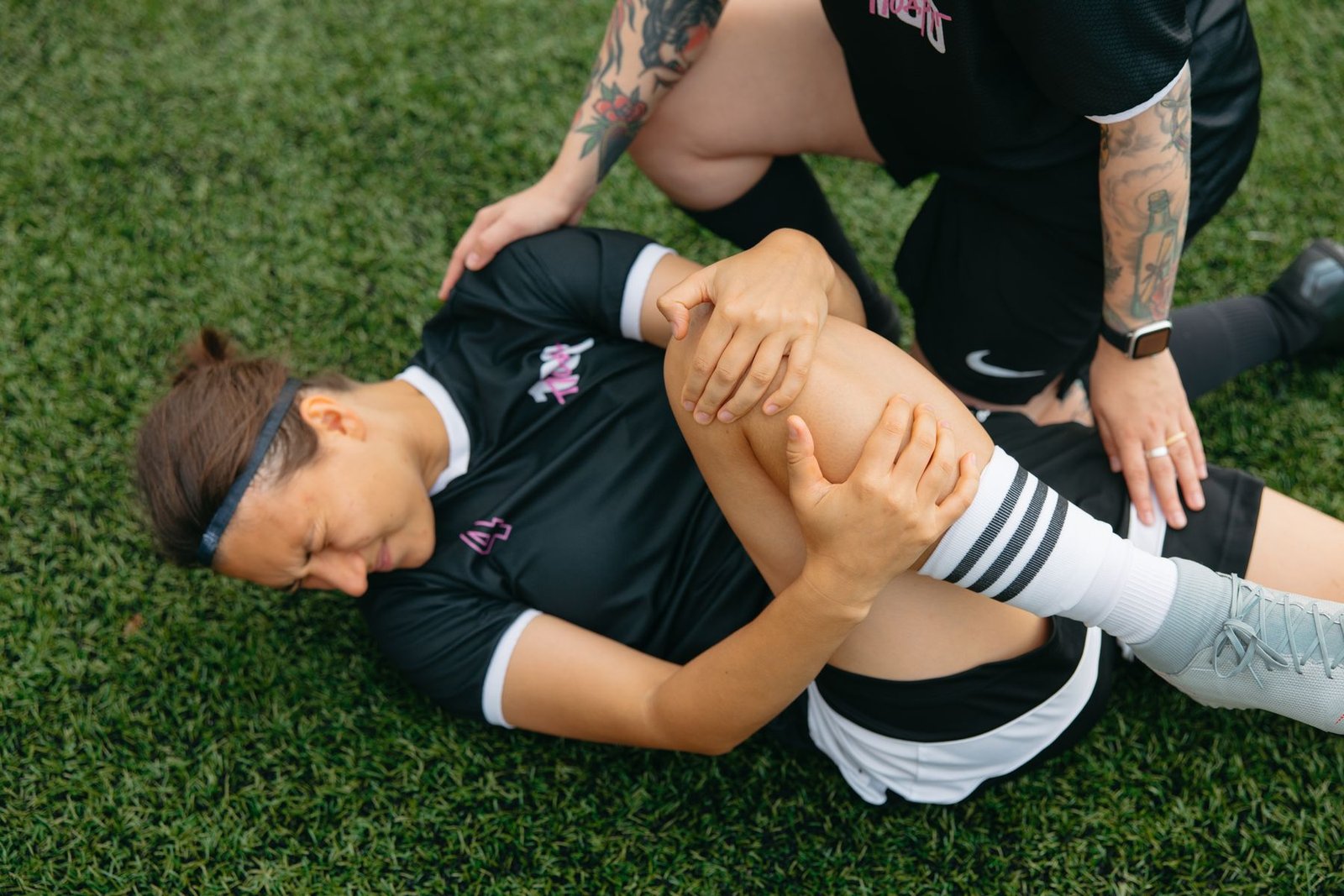
Pain and tenderness specifically on the outer side of the knee is the hallmark symptom, often alongside swelling that can range from mild to significant depending on severity. A sense of the knee feeling unstable or giving way, particularly during side-to-side movement or when pushing off the outer edge of the foot, is another commonly reported symptom, reflecting the ligament’s normal stabilising role.
Some people describe a distinct pop or snap at the moment of injury, more commonly reported with higher-grade tears, along with sharp initial pain followed by a duller ache as swelling develops. Bruising on the outer knee, appearing over the following day or two, is also common with more significant injuries.
Difficulty fully straightening or bending the knee comfortably is another commonly reported symptom in the days following injury, generally related to swelling and protective muscle guarding around the joint rather than a mechanical block, though this genuinely needs assessing rather than assuming. Some people also notice the knee feels different specifically when pivoting or changing direction, even if it feels reasonably stable walking in a straight line, which reflects the LCL’s specific role in resisting outward, side-to-side stress rather than forward-backward movement.
How LCL Injuries Are Typically Graded, From Mild To Severe
LCL injuries are typically graded on a three-point scale. Grade one describes a mild stretch where the ligament remains intact and joint stability is generally not significantly affected, though tenderness and mild swelling are still present. Grade two describes a partial tear, where some fibres are affected and mild instability may be present, while grade three describes a complete tear with more significant instability and, often, more pronounced swelling and pain.
This grading, alongside checking for involvement of the wider posterolateral corner, genuinely shapes what treatment looks like, which is exactly why a proper clinical assessment matters more here than trying to self-grade based on how the knee feels. Even a technically “mild” grade one injury on paper deserves a proper check, since the posterolateral corner structures involved alongside the LCL don’t always announce themselves clearly through symptoms alone, and a milder-feeling injury can still involve more than the LCL in isolation.
What A Professional Assessment For A Suspected LCL Injury Typically Involves
An assessment typically includes gentle stress testing of the knee at different angles to check how much the joint opens under controlled side-to-side pressure, alongside checking the stability and function of nearby structures rather than assuming the LCL is the only thing involved. Sensation and movement testing of the lower leg and foot is also a standard, important part of this assessment, for reasons covered below.
Depending on findings, imaging may be recommended to confirm the grade and check for involvement of other structures, particularly with higher-grade injuries or when the clinical picture suggests more than an isolated ligament sprain. Given the genuine association between more significant LCL injuries and the nearby nerve supplying the lower leg, this specific check is a standard, important part of any thorough assessment for this injury, not an incidental afterthought.
When To See Someone Right Away
This is genuinely important and specific to LCL injuries, the nerve that supplies sensation and movement to the lower leg and foot runs close to where the LCL attaches, and more significant LCL and posterolateral corner injuries carry a real, recognised risk of affecting this nerve. Numbness, tingling, or weakness in the lower leg or foot, particularly difficulty lifting the foot upward, alongside outer knee pain, is a combination that warrants prompt assessment rather than a routine appointment.
A knee that feels significantly unstable, a large amount of swelling, or an inability to bear weight are also signs to seek assessment promptly rather than waiting to see if things settle on their own. If you’re ever unsure whether your specific combination of symptoms warrants urgent attention, treating that uncertainty as a reason to get checked promptly is a sensible, low-risk approach given what’s potentially involved with this particular injury.
What To Expect When You Book An Assessment With Impact Sports Rehab
At Impact Sports Rehabilitation, an assessment for suspected LCL injury looks at the full picture, ligament stability, involvement of nearby structures, and lower leg nerve function, before recommending next steps. Where appropriate, this includes a staged rehabilitation consultation working alongside your GP or specialist, with the broader treatment approach guided by the same grading principles covered in MCL tear treatment, adapted for the LCL’s specific anatomy and role.
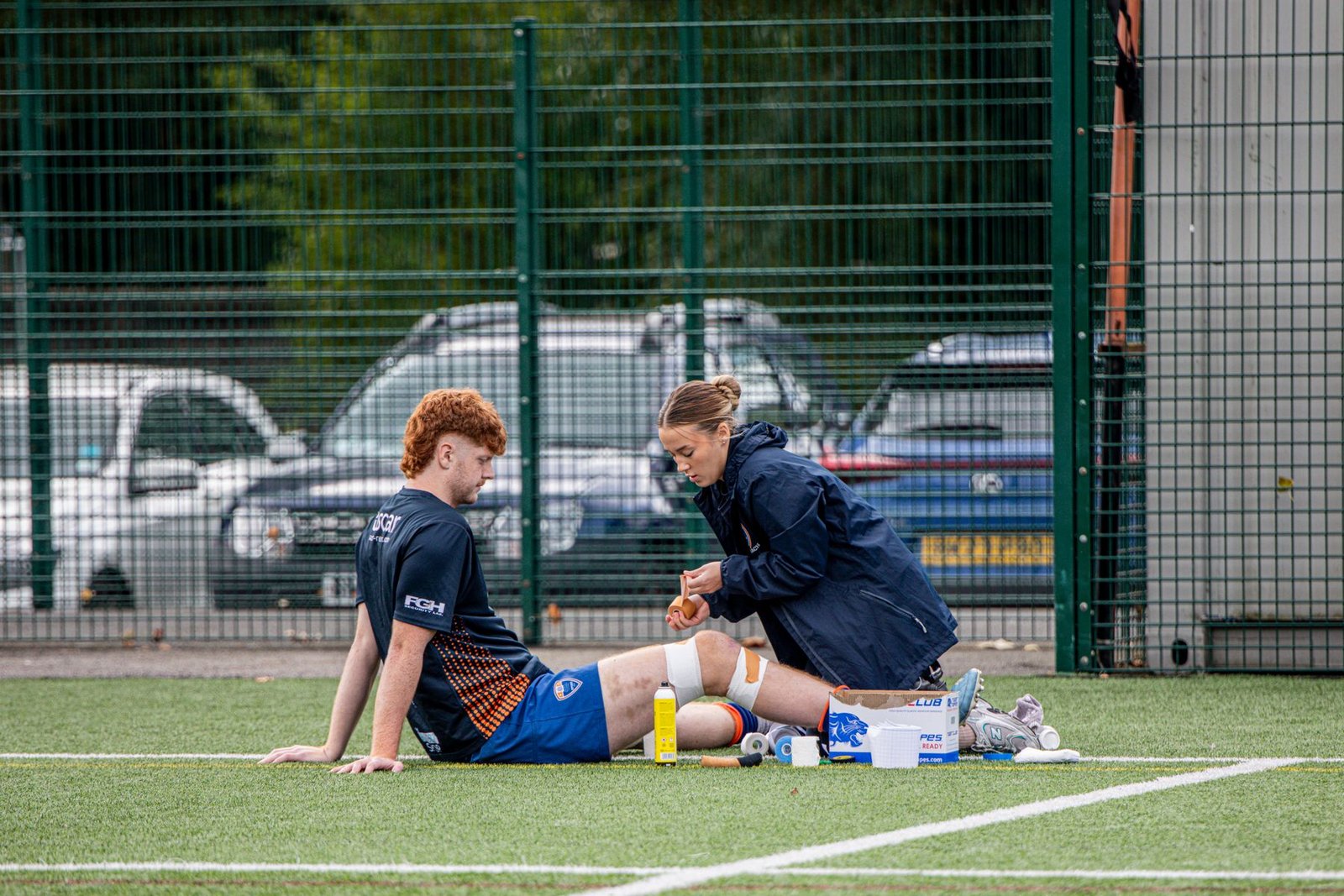
If outer knee pain or instability has you concerned, Impact Sports Rehabilitation works with clients across Eccles, Trafford, and Salford on genuinely thorough assessment. Ask about an online consultation if you’re further afield.
Frequently Asked Questions
Is an LCL injury serious?
This depends entirely on the grade and whether other structures are involved, milder sprains often settle well with appropriate management, while more significant injuries, especially those affecting nearby structures, need more involved treatment. A proper assessment is the only reliable way to know which category your specific injury falls into.
How is an LCL injury different from an MCL injury?
They affect opposite sides of the knee, the LCL is on the outer side and the MCL on the inner side, and they’re typically caused by different mechanisms, an LCL injury often involves a blow to the inner knee that forces it outward, roughly the opposite of a typical MCL mechanism. Isolated LCL injuries are also genuinely less common than MCL injuries.
How long does recovery typically take?
This varies considerably by grade and whether other structures are involved, so we wouldn’t want to guess a fixed timeline without an assessment. More significant LCL injuries, particularly those involving the wider posterolateral corner, can take meaningfully longer than a straightforward ligament sprain elsewhere in the knee.
Why did my doctor check the feeling in my foot when I hurt my knee?
This is a genuinely important, specific check for outer knee injuries, since the nerve supplying the lower leg and foot runs close to the LCL and can occasionally be affected by more significant injuries in this area. It’s a standard, sensible part of assessing this particular injury rather than something to worry about on its own.
Do I definitely need surgery for an LCL tear?
Not necessarily, milder LCL injuries are often managed without surgery, though more significant tears, particularly those involving other structures, are more likely to need surgical input. Your treating specialist is best placed to advise based on your specific grading and findings.
This article is provided for general educational purposes by Impact Sports Rehabilitation and does not constitute medical advice, diagnosis, or treatment, and does not diagnose the cause of your specific symptoms. Always seek the guidance of a qualified physiotherapist, sports therapist, or doctor for individual assessment and diagnosis, and stop and seek professional advice if you experience worsening pain, numbness, or swelling.