

Quick answer: Adductor pain specifically involves the inner thigh muscle group, distinct from the broader umbrella of general groin pain, and typically results from sudden change of direction, sprinting, or kicking movements straining these muscles. Recurrence is genuinely common, often from incomplete rehab or returning to sport before the muscle has rebuilt real capacity, not just before it feels better. Significant pain, an inability to bring your legs together with any strength, or bruising needs proper clinical assessment.
Being told your pain specifically involves the adductor muscles, rather than a vaguer “groin pain” label, deserves a more precise explanation than most general groin content gives, since these inner thigh muscles have their own particular vulnerabilities worth genuinely understanding. Here’s a proper, focused look at adductor pain specifically.
What The Adductor Muscles Actually Do
The adductor muscle group, running along the inner thigh, is genuinely responsible for pulling your leg inward toward your body’s midline, alongside playing a real, ongoing role in stabilising your pelvis and hip during single-leg loading activities like running and cutting. This is a genuinely more specific muscle group than the broader “groin” area often referred to loosely, groin pain can involve the adductors, the abdominal muscles, the hip flexors, or a combination, while adductor pain specifically points to this particular muscle group doing the straining.
Understanding this distinction genuinely matters for treatment, since rehab specifically targeting the adductors looks somewhat different from a broader approach addressing multiple potential groin structures at once, more precisely focused on this muscle group’s particular strength and flexibility demands. If you’re not entirely sure whether your pain is specifically adductor-related or falls under this broader groin category, our groin pain and groin injury articles cover that wider picture in more depth alongside this more focused look at the adductors themselves.
The adductor group is actually made up of several individual muscles working together, the adductor longus, brevis, and magnus among the main ones, running from the pelvis down toward the inner thigh and knee. The adductor longus specifically tends to be the most commonly strained of this group, given its particular anatomical position and the demand placed on it during the kinds of explosive, direction-changing movements that most commonly cause this injury.
How Adductor Strains Happen In Sport
Sudden change of direction, cutting sharply while your body weight is still moving in the original direction, places a genuinely significant demand on the adductors to control and redirect that movement, and is one of the most common mechanisms behind this injury. Sprinting, particularly the acceleration phase where the adductors help stabilise the hip and pelvis under high force, is another genuinely common contributing movement.
Kicking, the adductors playing a real role in controlling and stabilising the leg through a kicking motion, is a particularly common mechanism in football specifically, alongside combat sports and BJJ, where the adductors are heavily involved in guard retention and hip control during grappling exchanges. Any of these movements performed without adequate warm-up, or when the adductors are already fatigued from earlier in a session, genuinely raises the risk of a strain occurring.
Strength imbalance between the adductors and the surrounding hip and core muscles is a genuinely well-recognised risk factor worth understanding too, an athlete whose adductors are notably weaker relative to their hip abductor and core strength tends to carry a higher injury risk than one with a more balanced profile, since that imbalance leaves the adductors relatively under-prepared for the demands placed on them during high-intensity, direction-changing movement. Pre-season conditioning that doesn’t adequately build adductor-specific strength before the demands of full competitive training resume is a genuinely common, and genuinely preventable, contributing factor seen across many sports.

Grading The Injury, Mild To Severe
A grade one adductor strain involves a small number of overstretched muscle fibres, with mild discomfort but generally still functional strength and range of motion. A grade two strain is a partial tear involving more fibres, with more pronounced pain, some swelling or bruising, and a genuine, noticeable reduction in strength when trying to bring your legs together.
A grade three strain is a complete rupture of the muscle, a genuinely serious injury typically causing sudden, severe pain, significant swelling, and often a real inability to use the leg normally, sometimes with a palpable gap in the muscle itself. Any presentation involving significant pain, a genuine inability to bring your legs together with any strength, or visible bruising should be properly assessed rather than assumed to be a milder grade based on how it initially feels.
Grading matters for genuinely practical reasons beyond just describing severity, it meaningfully shapes both the expected recovery timeline and the appropriate rehab approach. A grade one strain might allow a relatively quick return to modified training, while a grade three rupture can, in some cases, require surgical discussion alongside a considerably longer, more structured rehab process. Self-grading your own injury based on how it feels in the moment is genuinely unreliable, adrenaline and the specific circumstances of the injury can mask how significant it actually is until swelling and bruising develop over the following day or two, which is exactly why a proper assessment matters even when an injury doesn’t initially feel severe.
Why Adductor Injuries Are Notorious For Recurring
This is genuinely the part most adductor pain content doesn’t address properly, and it matters enormously, adductor strains have a well-documented high recurrence rate, with research showing recurrence in a meaningful proportion of cases in sports like professional soccer and hockey specifically. Most of these recurrences happen within the first couple of months of returning to full training, which is a genuinely telling pattern worth understanding properly.
The core problem is that pain resolution and genuine physical readiness aren’t the same thing. Athletes often return to sport once the groin simply feels better, rather than once the adductors have actually rebuilt the strength and load capacity their sport genuinely demands, and premature return based on feeling better rather than testing readiness is a well-documented, major risk factor for recurrence. Incomplete rehabilitation, stopping the strengthening progression once acute pain has settled rather than continuing through to genuine functional capacity, is the other major, genuinely preventable contributor to this pattern.
Eccentric strength specifically, the muscle’s ability to control lengthening under load, deserves particular attention here, since research on adductor injury prevention has specifically highlighted eccentric adductor strength as a genuinely meaningful protective factor against both initial injury and recurrence. This is a genuinely more specific target than generic “get stronger” advice, and it’s exactly the kind of detail that separates a properly structured rehab programme from a generic exercise sheet that stops progressing once basic pain-free movement has been achieved.
How Sports Rehab Supports Recovery
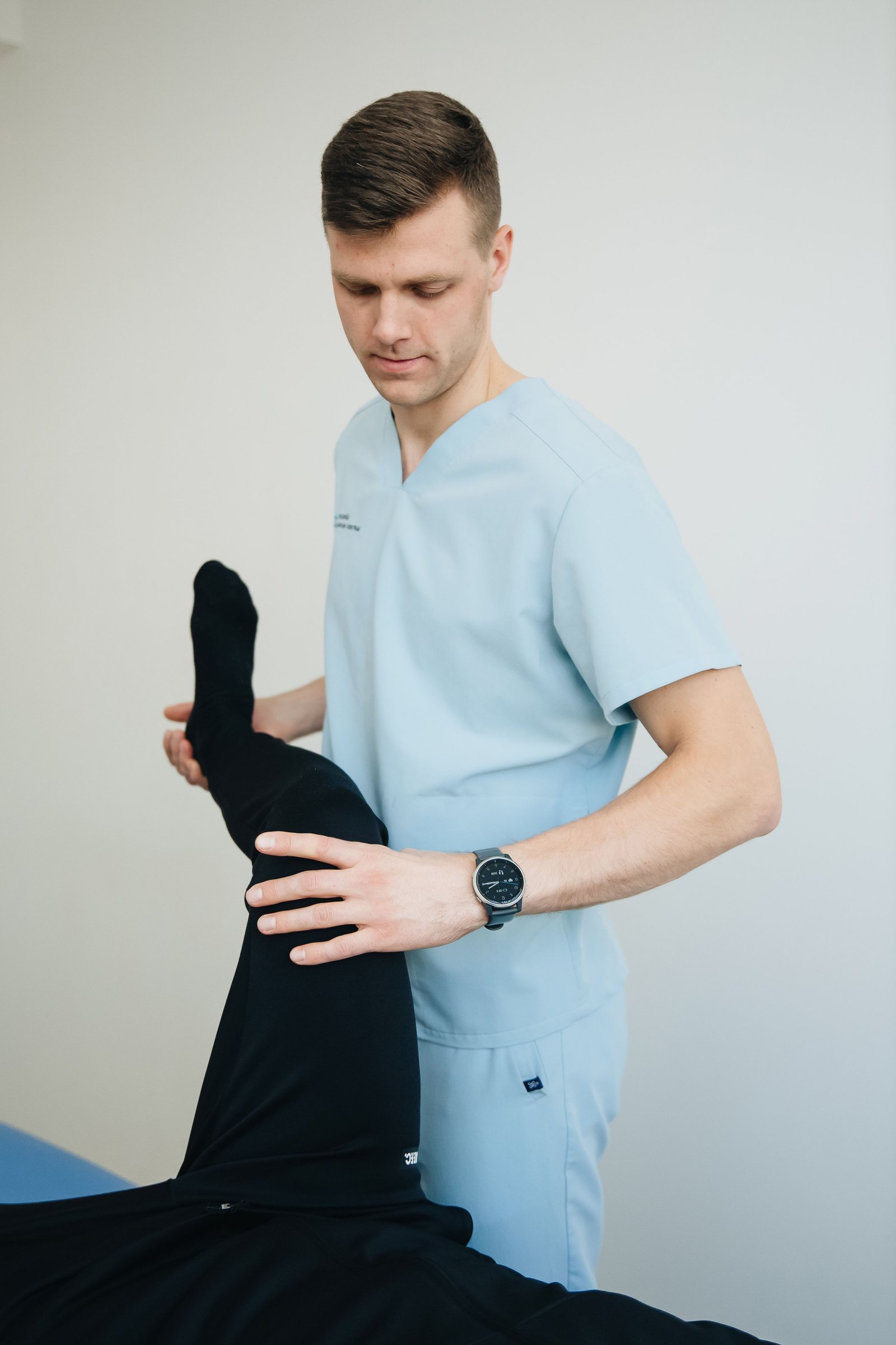
Addressing the recurrence risk specifically, not just the initial pain, is genuinely central to how adductor rehab should be structured. At Impact Sports Rehabilitation, a Rehabilitation Consultation builds a progressive strengthening plan through to genuine functional capacity, not just until pain settles, specifically addressing the recurrence pattern that makes this injury so notorious. Rocktape taping and sports massage can be used as supportive tools alongside this staged strengthening programme.
Returning To Sprinting And Change-Of-Direction Sports Safely
A genuinely safe return to sprinting and change-of-direction sport requires demonstrated strength, ideally tested and compared against your uninjured side or expected benchmarks, not just pain-free basic movement. Progressive reintroduction of the actual demanding movements, sprinting, cutting, kicking, built up gradually in intensity and volume rather than jumping straight back into full training or competition, genuinely respects how the adductors need to rebuild capacity for these specific high-demand movements.
Given how well documented the recurrence risk is for this particular injury, many people find that continuing adductor-specific strengthening as an ongoing part of training, even once fully recovered, is a genuinely worthwhile investment rather than something to drop the moment symptoms resolve, particularly given how strongly incomplete rehab and premature return are linked to the recurrence pattern this specific injury is known for.
If you’re dealing with adductor pain and want a genuine, staged rehab plan that actually addresses the recurrence risk, Impact Sports Rehabilitation works with athletes across Eccles, Salford, Trafford, and the wider Greater Manchester area on exactly this. Ask about an online consultation if you’re further afield.
Frequently Asked Questions
How is adductor pain different from just general groin pain?
Adductor pain specifically points to the inner thigh muscle group, while general groin pain can involve the adductors, abdominal muscles, hip flexors, or a combination. Understanding which structure is actually involved genuinely helps target the right treatment.
Why does my adductor strain keep coming back even though it felt fully healed?
This is genuinely a well-documented pattern, often from returning to sport once pain has settled rather than once real strength and load capacity have actually been rebuilt. Incomplete rehab is the other major, genuinely preventable contributor to this recurrence pattern.
How do I know if my adductor strain is mild or something more serious?
Significant pain, a genuine inability to bring your legs together with any strength, or visible bruising all point toward a more significant injury needing proper assessment. It’s genuinely not reliable to judge severity purely by how it initially feels.
Is it safe to keep training through a mild adductor strain?
This depends on how significant the strain actually is, so it’s genuinely worth getting assessed rather than guessing. Continuing to load an inadequately assessed adductor strain risks turning a mild injury into a more significant one.
How long should I keep doing adductor exercises after I feel fully recovered?
Given how well documented the recurrence risk is for this specific injury, many people find continuing adductor-specific strengthening as an ongoing part of training genuinely worthwhile. In our experience, this ongoing investment tends to pay off considerably more than stopping the moment symptoms resolve.
This article is provided for general educational purposes by Impact Sports Rehabilitation and does not constitute medical advice, diagnosis, or treatment. Adductor strains range from mild to a significant tear. Significant pain, an inability to bring the legs together with any strength, or bruising should be assessed by a qualified clinician rather than self-graded as mild. Always seek the guidance of a doctor or other qualified health provider with any questions about your specific injury.


