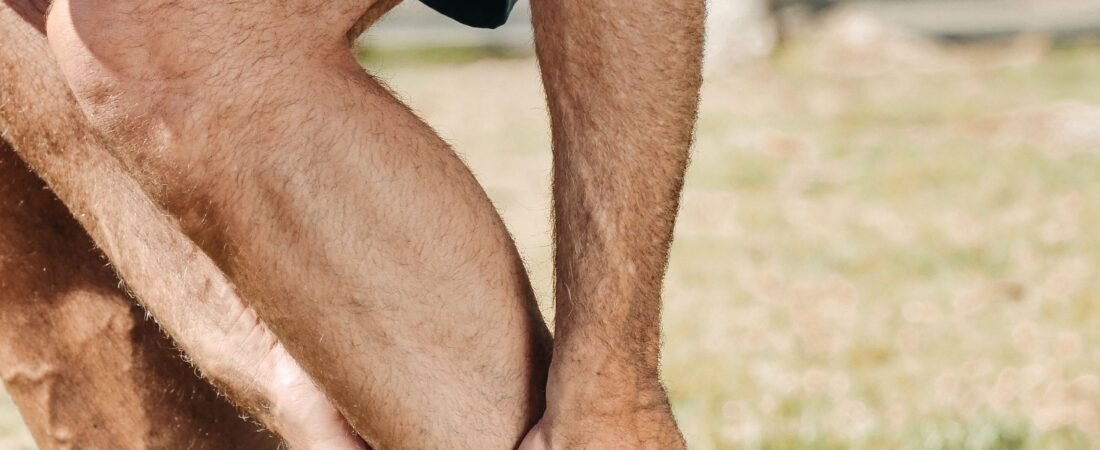
Quick answer: Soleus muscle pain feels like a deep, aching pain lower in the calf, genuinely different from the higher, more superficial pain typical of gastrocnemius strains, since the soleus lies deeper and works differently during activity. It’s often related to running, particularly uphill or on tired legs, and sudden increases in training load. Calf swelling, warmth, redness, or pain that doesn’t fit a typical muscular pattern needs urgent medical assessment to rule out a blood clot.
If you’ve been told, or suspect, that your deep calf pain is your soleus rather than the more commonly discussed gastrocnemius, understanding why that distinction actually matters is genuinely worth your time, since it changes both how the injury is understood and how it’s actually treated. Here’s a proper explanation of this often-overlooked muscle.
The Soleus Vs The Gastrocnemius: Why The Difference Matters
This is genuinely the part most calf pain content gets wrong, treating the calf as one single muscle when it’s actually two, working quite differently, layered on top of each other. The gastrocnemius is the larger, more visible muscle that gives the calf its characteristic shape, crossing both the knee and ankle joints, and it’s heavily involved in explosive, powerful movements, sprinting and jumping among them.
The soleus lies directly beneath the gastrocnemius, deeper and less visible, and crosses only the ankle joint, not the knee. It’s built more for sustained, lower-intensity activity, endurance-based movement and simply maintaining posture while standing, than for the explosive power the gastrocnemius specialises in. This structural and functional difference genuinely matters for injury too, the two muscles can be strained somewhat independently of each other, and a soleus strain specifically often happens under different circumstances, and responds to somewhat different rehab emphasis, than a gastrocnemius strain would.
There’s a genuinely useful anatomical reason behind this too. Because the gastrocnemius crosses both the knee and ankle joints, its length and tension change depending on knee position, straightening your knee lengthens it, while bending your knee slackens it considerably. The soleus, crossing only the ankle, doesn’t get this same slack from knee bending, which is exactly why clinicians use knee position as a genuinely useful diagnostic tool, and it’s also part of why targeted soleus rehab specifically needs bent-knee exercises to properly load this muscle, a straight-leg calf raise alone simply doesn’t challenge the soleus to the same degree.
What Causes Soleus-Specific Pain
Running, particularly uphill running or running on already-fatigued legs, tends to load the soleus especially heavily, since its endurance-oriented role in maintaining ankle stability and propulsion becomes increasingly important precisely when the more explosive gastrocnemius is starting to tire. Sudden increases in training load, volume or intensity ramped up faster than the muscle has adapted to, is a genuinely common contributing factor here too, mirroring the overuse pattern seen across many soft tissue injuries.
Extended periods of standing or activities demanding sustained, lower-intensity calf engagement, rather than short bursts of power, can also contribute to soleus-specific strain in some people, reflecting the muscle’s role in ongoing postural support rather than explosive movement.
Footwear and running surface genuinely play a role here too, worn-out running shoes that have lost their original support, or a sudden switch to a considerably harder or softer surface than you’re used to, can subtly change how load is distributed through the lower leg with every stride, placing more demand on the soleus than your training volume alone might suggest. Reduced ankle mobility is another genuinely underrecognised contributing factor, a stiffer ankle joint can force the soleus to work harder to compensate for range of motion the joint itself isn’t providing, which is exactly the kind of contributing factor a generic calf stretching routine would never identify or address.
Symptoms That Point To The Soleus Specifically
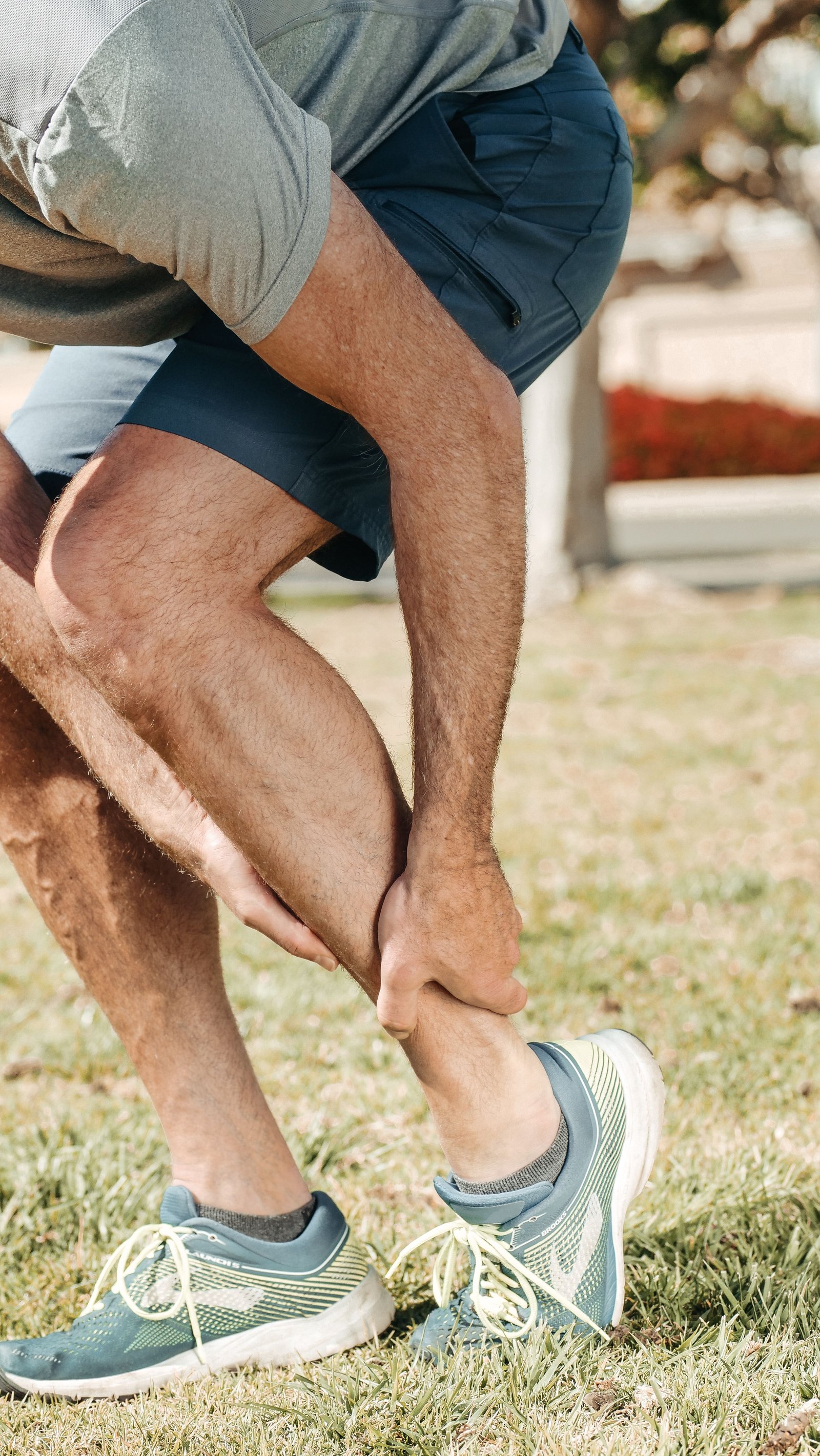
A genuinely useful distinguishing feature is where the pain actually sits, soleus strain pain tends to present as a deep, aching sensation lower in the calf, closer to the Achilles region, rather than the higher, often more superficial pain typical of a gastrocnemius strain, which frequently sits closer to the back of the knee where that muscle originates. The onset pattern often differs too, a gastrocnemius strain frequently has a sudden, sharp onset tied to an explosive movement, a sprint or a jump, while a soleus strain can develop more gradually, sometimes worsening progressively during a run rather than announcing itself with one dramatic moment.
Pain that’s specifically reproduced or worsened with your knee bent, rather than straight, during calf stretching or resisted movement, is another genuinely useful clinical clue pointing more toward the soleus, since bending the knee takes the gastrocnemius out of an active, lengthened position while the soleus, which doesn’t cross the knee, remains fully engaged regardless.
Red Flags Worth Ruling Out First
This genuinely deserves clear, direct attention rather than being glossed over. Deep vein thrombosis, a blood clot in the deep veins of the leg, can present with symptoms that genuinely overlap with a soleus strain, deep calf pain and discomfort, which is exactly why ruling this out matters before assuming a muscular cause. Calf swelling, particularly if one leg looks noticeably larger than the other, is a genuine warning sign.
Warmth and redness over the area, rather than the more typical bruising pattern of a muscular strain, and pain that doesn’t clearly fit a muscular pattern, present at rest without a clear activity-related trigger, or not improving with the kind of rest that would typically help a strain, all warrant urgent medical assessment. This isn’t meant to cause alarm, most deep calf pain genuinely is muscular, but it’s a distinction worth taking seriously given how much is at stake if it’s missed.
One genuinely useful, though not definitive, distinguishing clue is how the pain relates to activity, a muscular soleus strain typically has a clear connection to a specific activity, worsening with use of the calf and settling somewhat with rest, while DVT-related pain often has a less clear activity connection and may not improve, or may even worsen, with the kind of rest that would typically help a muscular strain. This is genuinely a clue to raise with a clinician rather than a way to rule anything out yourself, since the overlap between the two is real enough that self-diagnosis isn’t a reliable substitute for a proper assessment when any of the warning signs above are present.
How Sports Rehab Treats Soleus Issues
Once a soleus strain has been appropriately distinguished from other causes of deep calf pain, guided rehab specifically targeting this muscle’s endurance-oriented role genuinely matters. At Impact Sports Rehabilitation, a Rehabilitation Consultation assesses your specific presentation and builds a treatment plan around the soleus’s particular demands, rather than a generic calf protocol that doesn’t account for which of the two muscles is actually involved. Sports massage can be a genuinely useful supportive tool alongside this guided rehab, once serious causes have been appropriately ruled out.
Exercises And Prevention Specific To This Muscle
Given the soleus’s role in sustained, lower-intensity, endurance-based activity, strengthening it specifically benefits from exercises performed with the knee bent, a bent-knee calf raise, rather than exclusively straight-leg calf raises which emphasise the gastrocnemius more heavily. Building genuine endurance capacity, higher repetition ranges performed consistently, rather than only low-repetition, maximal-effort strength work, reflects the muscle’s actual functional role better than a purely power-focused approach would.
For runners specifically, gradually building tolerance to uphill running and back-to-back training days, rather than introducing these demands abruptly, respects the specific loading pattern that tends to strain this muscle in the first place, genuinely reducing the risk of a recurrence once you’ve recovered. Addressing ankle mobility as part of this prevention work is genuinely worth including too, since a soleus repeatedly compensating for a stiff ankle is more likely to become symptomatic again even after the original strain has fully healed, particularly once you’re back to the same uphill running or fatigue-related training pattern that contributed the first time.
If you’re dealing with deep calf pain and want a genuine assessment of whether it’s your soleus specifically, Impact Sports Rehabilitation works with runners and athletes across Eccles, Salford, Trafford, and the wider Greater Manchester area on exactly this. Ask about an online consultation if you’re further afield.
Frequently Asked Questions
How do I know if my calf pain is my soleus or my gastrocnemius?
Soleus pain tends to sit deeper and lower in the calf, closer to the Achilles, and is often reproduced with your knee bent during stretching, while gastrocnemius pain tends to be higher and more superficial. A proper assessment gives a considerably more reliable answer than trying to judge this yourself.
Should I be worried this could actually be a blood clot instead of a strain?
Most deep calf pain genuinely is muscular, but it’s worth taking seriously given the overlap in symptoms. Swelling, warmth, redness, or pain that doesn’t fit a typical activity-related muscular pattern are the genuine signals to get checked urgently rather than assuming a strain.
Why does my calf hurt more running uphill than on flat ground?
The soleus works especially hard during uphill running, given its role in sustained ankle stability and propulsion, so a soleus strain often shows up or worsens specifically with uphill or fatigue-related running. This is a genuinely useful clue, though not a substitute for proper assessment.
Can I keep running with a suspected soleus strain if it’s not too painful?
This depends on how irritable the muscle currently is and what’s actually causing your pain, so it’s genuinely worth getting assessed rather than guessing. Continuing to load an irritated muscle without appropriate guidance risks a more significant strain.
Will regular calf stretches fix a soleus strain on their own?
Stretching alone often isn’t enough, genuine recovery typically needs a structured strengthening progression specific to the soleus’s endurance-oriented role, not just stretching. In our experience, addressing both the acute symptoms and the underlying strength and loading capacity gives more reliable, lasting results.
This article is provided for general educational purposes by Impact Sports Rehabilitation and does not constitute medical advice, diagnosis, or treatment. Soleus pain can range from simple muscle tightness to a strain or, in rarer cases, be confused with deep vein thrombosis. Calf swelling, warmth, redness, or pain that doesn’t fit a typical muscular pattern requires urgent medical assessment. Always seek the guidance of a doctor or other qualified health provider with any questions about your specific symptoms.