

Quick answer: Prehab is proactive, preventive exercise done before an injury happens, aimed at addressing specific weaknesses and movement patterns that make injury more likely for your particular sport or body. Structured exercise programmes genuinely reduce injury risk in the research, though no programme eliminates it entirely, and generic, copy-paste routines are far less effective than ones targeted at your actual weaknesses. Prehab is most valuable for returning athletes, those with a history of repeat injury, and anyone starting a new demanding sport.
Prehab gets mentioned a lot in athletic circles, but what it actually means and whether it’s genuinely worth your time isn’t always clearly explained. As a genuine advocate for prehab who also wants to be honest with you, here’s a proper, evidence-based look at what it actually is, what it can realistically do for your injury risk, and what a genuinely useful prehab routine looks like rather than a generic list of exercises copied from somewhere online.
What Prehab Actually Means
Prehab, short for prehabilitation, is proactive, preventive exercise done before an injury happens, as distinct from rehab, which follows one. Rather than waiting until something’s already gone wrong and then working to fix it, prehab aims to address specific weaknesses, imbalances, or movement patterns that make injury more likely in the first place, tailored to your particular sport, training demands, and individual body.
This distinction matters because the mindset is genuinely different. Rehab is reactive, dealing with an existing problem, while prehab is proactive, trying to reduce the odds of that problem happening at all. It’s not about doing generic exercise for general fitness, it’s specifically targeted at the injury risks most relevant to what you actually do.
The term originated largely in sports medicine and physiotherapy circles, often used specifically ahead of a planned event, like pre-season training or a return to a demanding sport after time off, though the underlying principle, addressing known weaknesses before they become an actual injury, applies just as well as an ongoing part of regular training rather than a one-off phase.
What The Evidence Actually Says About Injury Prevention
Most prehab content makes sweeping claims about preventing injury without honestly addressing what the evidence actually supports, so here’s a genuinely balanced picture. Structured exercise programmes, particularly ones targeting strength, balance, and movement control in areas known to be commonly injured for a given sport, do show a genuine reduction in injury risk across a fair amount of research, particularly for things like hamstring strains, ACL injuries, and ankle sprains in relevant sports.
What the evidence doesn’t support is the idea that any prehab programme eliminates injury risk entirely. Sport carries inherent risk, from contact, from unpredictable situations, and from factors genuinely outside anyone’s control, and no amount of preparation removes that completely. The honest picture is that well-designed, targeted prehab meaningfully reduces the odds of certain injury types, it doesn’t guarantee you won’t get injured, and being upfront about that distinction is exactly the kind of honesty most prehab marketing skips over in favour of a more compelling but less accurate sales pitch.
It’s also worth being honest that not all prehab is created equal in the evidence either. Programmes that are genuinely individualised, address known risk factors specifically, and are done consistently over a meaningful period tend to show more benefit than a brief burst of generic exercises. This is part of why the how, individualised, consistent, sport-specific, matters just as much as the fact that you’re doing some kind of prehab at all.

What A Genuinely Useful Prehab Routine Looks Like
A genuinely effective prehab routine is individualised and sport-specific, built around the movement patterns and injury risks actually relevant to what you do, rather than a generic list of exercises applied uniformly to everyone. For a footballer, that might mean hamstring and groin-focused work addressing common football injury patterns. For a BJJ practitioner, it might mean shoulder stability and neck strengthening work relevant to grappling-specific demands.
Beyond sport-specificity, a genuinely useful routine also addresses your individual weaknesses, not just generic risk factors for your sport in the abstract. Someone with a history of ankle sprains needs different prehab priorities than someone with no ankle history but a previous hamstring strain, even if they play the same sport, because their individual risk profile genuinely differs. This individualisation is really what separates prehab that actually works from a generic routine that happens to have “prehab” in the title.
Progression matters here too, a genuinely useful prehab routine doesn’t stay static once you’ve built some initial capacity in an area of weakness. As strength and control improve in a previously weak area, the exercises should progress to keep challenging that area appropriately, rather than staying at the same easy level indefinitely just because it was the right starting point months ago.
Common Prehab Mistakes That Waste Your Time
Copying a generic online routine without any real assessment of your own individual weaknesses is probably the most common mistake, since it treats prehab as a one-size-fits-all checklist rather than something genuinely tailored to you. Doing prehab exercises with poor technique, treating them as a box to tick rather than paying real attention to quality of movement, also genuinely undermines their effectiveness, since the whole point is building better movement patterns, not just going through generic motions.
Inconsistency is another common trap, doing prehab intensively for a couple of weeks after reading about it, then dropping it entirely once the novelty wears off, rather than treating it as an ongoing part of training. Finally, doing prehab in isolation from your actual training and competition schedule, rather than integrating it sensibly around your real training load, tends to reduce how much it actually helps compared to a properly integrated approach. Overloading yourself with too many exercises at once, rather than a focused handful targeting your genuine priority areas, is another common trap, since a long, unfocused routine is far more likely to get abandoned than a shorter, genuinely targeted one you can actually stick with.
How Sports Rehab Builds A Prehab Plan Around You
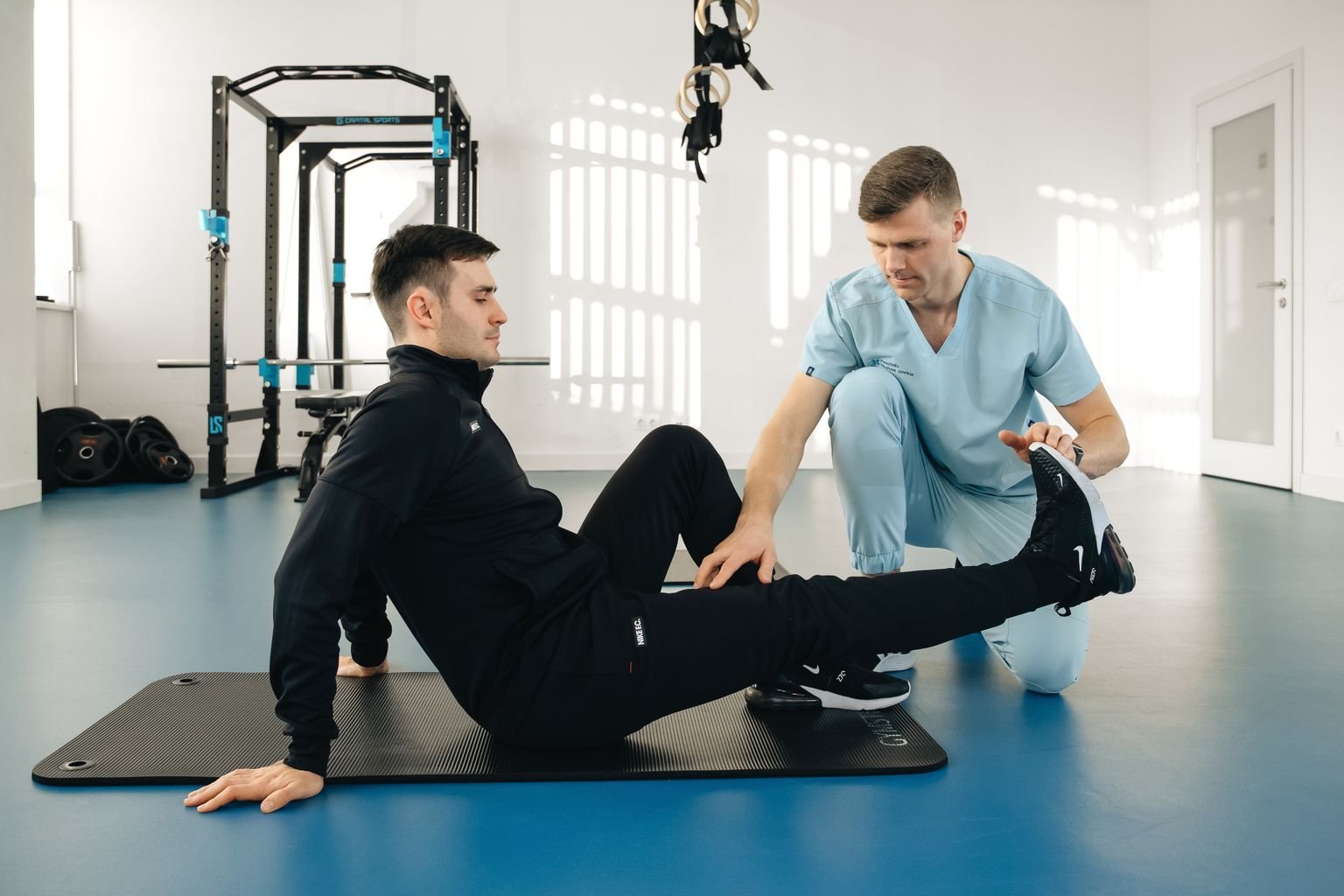
Generic prehab advice only goes so far, because your actual injury risk profile is genuinely individual to you. At Impact Sports Rehabilitation, a Rehabilitation Consultation starts with understanding your specific sport, training demands, and injury history, whether that’s previous injuries, movement patterns, or areas of known weakness, before building a prehab plan that’s actually targeted at your real risk factors rather than a generic list.
This individualised approach is exactly why a properly built prehab plan tends to be more genuinely useful than following a routine designed for someone else’s body and sport, even if that routine looks reasonable on paper. Reassessing and adjusting the plan as your training changes, or as specific weaknesses improve, also keeps it genuinely relevant rather than static and increasingly generic over time.
Who Benefits Most From Structured Prehab
Returning athletes, people coming back from a previous injury, genuinely benefit from structured prehab targeting the specific area and movement patterns involved in that previous injury, since that history makes a repeat injury more likely without addressing it directly. Anyone with a history of repeat injury, the same problem recurring more than once, is another group who tends to see genuine value, since it suggests an underlying factor that hasn’t been fully addressed through general training alone.
Anyone starting a new, demanding sport or training programme, where their body hasn’t yet adapted to the specific demands involved, also benefits from a period of targeted prehab work before jumping straight into full training volume. That said, prehab genuinely has value for most active people, not just these specific groups, it’s simply that the case for prioritising it is strongest when there’s a known specific risk factor to address. Age is worth mentioning too, since recovery capacity and tissue resilience genuinely change over the years, and older athletes returning to demanding training after a break, or simply continuing a sport into their forties and beyond, often find targeted prehab work a genuinely worthwhile part of staying active without setbacks.
Free tool: ACWR Calculator
Ramping up your training? Our free ACWR calculator compares this week with your recent average and shows whether you are in the sweet spot or building too fast. No email needed.
If you want to genuinely reduce your injury risk rather than just hoping it doesn’t happen to you, Impact Sports Rehabilitation works with everyday athletes, footballers, and combat-sports and BJJ practitioners across Eccles, Salford, Trafford, and the wider Greater Manchester area on building individualised prehab plans. Ask about an online consultation if you’re further afield.
Frequently Asked Questions
Does prehab actually guarantee I won’t get injured?
No, and it’s worth being honest about that, no exercise programme can eliminate injury risk entirely, since sport involves genuine unpredictability and factors outside anyone’s control. What well-designed prehab genuinely does is meaningfully reduce the odds of certain injury types, particularly ones relevant to known risk factors for your sport or history.
Is prehab just the same as a general warm-up?
No, a warm-up prepares your body for a single session, while prehab is a longer-term, structured programme targeting specific weaknesses or risk factors over weeks and months. They’re both useful, but they serve genuinely different purposes.
How do I know if a prehab routine I found online is actually right for me?
It’s genuinely hard to know without understanding your own individual risk factors and weaknesses, which is exactly what a generic online routine can’t account for. Many people find getting a proper assessment first, rather than guessing from a generic list, makes their prehab time meaningfully more effective.
Can I do prehab if I’m not currently injured at all?
Yes, genuinely, prehab is specifically for people who aren’t currently injured and want to reduce their risk of becoming injured. You don’t need an existing problem to benefit from it, that’s actually the whole point.
How much time does effective prehab actually take?
This genuinely varies depending on your specific risk factors and sport, so we wouldn’t want to give a fixed, one-size-fits-all number without understanding your situation. In our experience, a properly targeted, individualised routine tends to be more time-efficient than a generic, longer one, since it focuses specifically on what actually matters for you.
This article is provided for general educational purposes by Impact Sports Rehabilitation. Individual injury risk factors and needs vary, and no exercise programme can guarantee injury prevention. This content does not constitute medical advice, diagnosis, or treatment, and you should always seek the guidance of a doctor or other qualified health provider with any questions about your specific situation.