
Quick answer: Hip flexor strain symptoms typically include pain at the front of the hip, worse when lifting the knee, sprinting, or kicking, ranging from a mild dull ache to sharp pain with a more significant tear. Most mild strains improve with appropriate rest and rehab over a few weeks. Significant pain, an inability to lift the knee toward the chest, or visible bruising suggest a more serious tear and need clinical assessment rather than self-grading it as mild.
That sudden pull at the front of your hip during a sprint or a kick has a way of instantly making you wonder how bad it actually is. Understanding what the hip flexors do, and what the symptoms of a genuine strain actually look like, helps you make sense of what just happened and what to do next.
What The Hip Flexors Actually Do
The hip flexors are a group of muscles, primarily the iliopsoas and rectus femoris, that work together to lift your knee toward your chest and bring your leg forward. They’re under real load every time you sprint, kick a ball, or perform a sudden lunging movement, since these actions all demand a fast, forceful contraction from this muscle group.
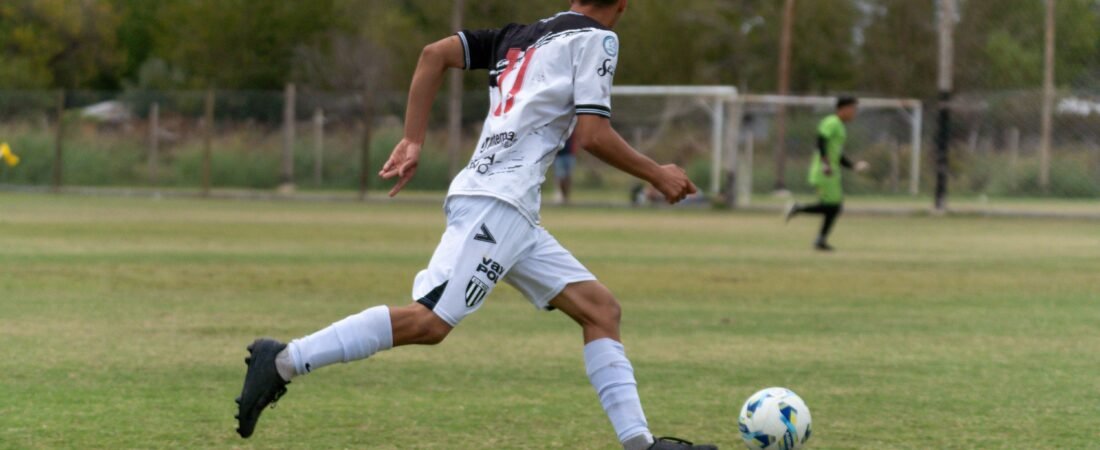
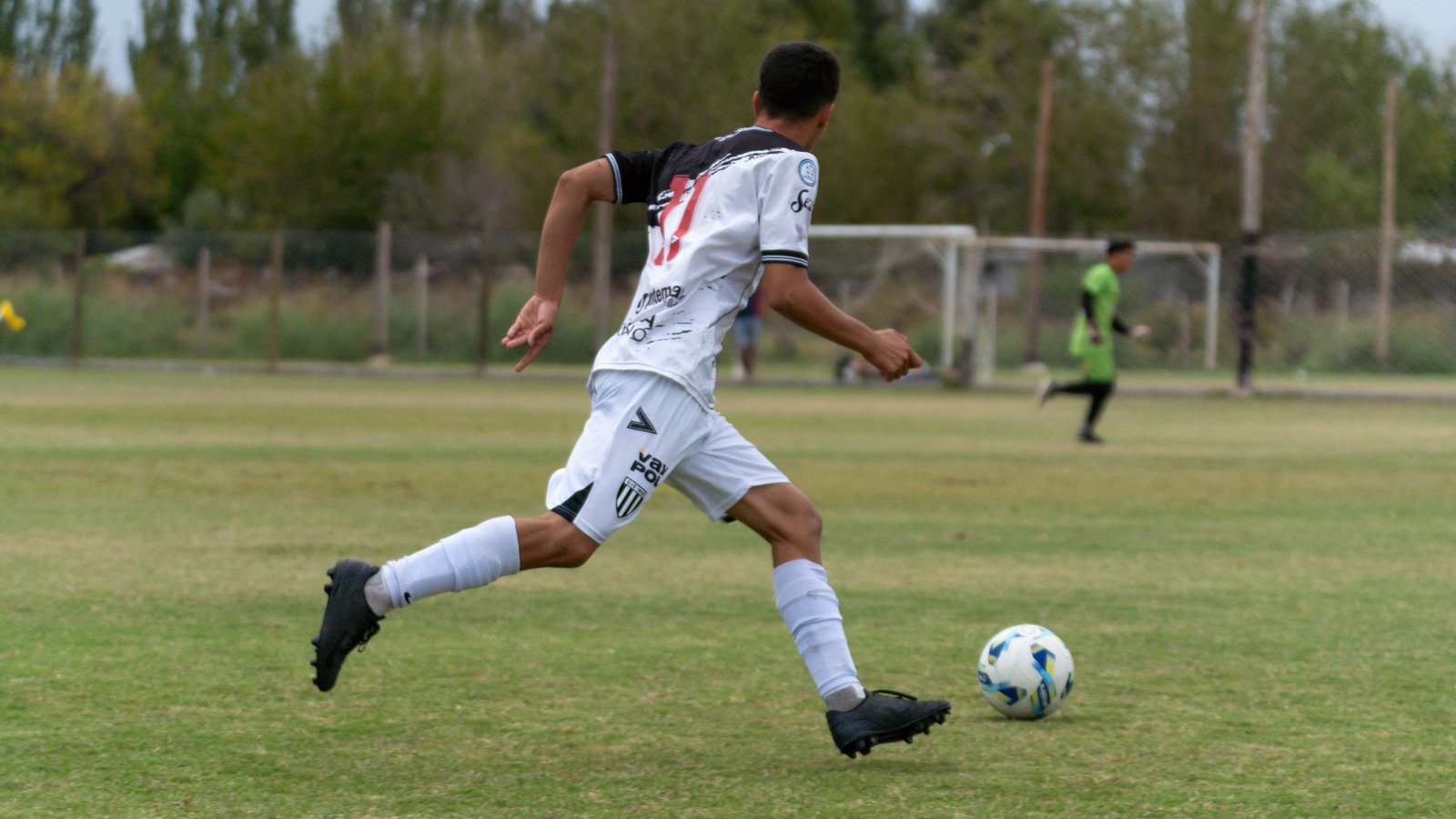
This combination of speed and force is exactly why sprinting, kicking sports, and sudden change-of-direction movements are such common causes of hip flexor strain. The muscle gets asked to contract forcefully and quickly, often at end-range hip extension just before the kick or stride, which is precisely the position where these muscles are most vulnerable to tearing.
The Key Symptoms By Grade
A grade one strain, involving minor stretching or microscopic tearing, typically produces a dull ache at the front of the hip that’s noticeable during activity, particularly climbing stairs or lifting the knee, but doesn’t stop you moving entirely. Many people can still walk normally, if a little cautiously, with a grade one strain.
A grade two strain, a partial tear, brings more noticeable pain, some swelling, and genuine difficulty walking normally or lifting the leg without discomfort. A grade three strain, a complete rupture, is a different picture entirely, severe pain, often visible bruising, and real loss of function in the muscle, and this level of injury needs prompt clinical assessment rather than assuming it will settle with rest alone.
How To Tell A Hip Flexor Strain From Other Hip Pain
Most hip flexor symptom articles don’t help you distinguish this from other common causes of front-of-hip pain, which genuinely matters since the treatment approach differs. Hip flexor strain tends to produce sharp, immediate pain tied to a specific movement, lifting the knee or kicking, and it usually eases somewhat with rest between activities.
Hip impingement, by contrast, tends to feel like a deeper, more constant ache in the groin area, often worse with prolonged sitting or deep hip flexion like squatting, rather than being tied to one specific sudden movement. A groin strain, covered in more depth in our companion article on groin injury, involves the adductor muscles on the inner thigh rather than the hip flexors at the front, though the two can sometimes be confused since they sit relatively close together.
If you’re genuinely unsure which of these best matches your symptoms, our article on hip pain location walks through how the specific location of your pain helps narrow down the likely cause.
When To Get It Checked Properly
Mild, grade one symptoms that allow reasonably normal walking are often reasonable to manage with rest and gentle rehab initially. Significant pain, a genuine inability to lift your knee toward your chest, or visible bruising point toward a more substantial tear and warrant a proper clinical assessment rather than assuming it’s mild and pushing through.
Symptoms that aren’t improving after a week or two of appropriate rest, or that are getting worse rather than better, are also worth having assessed rather than continuing to guess at the severity.
How Sports Rehab Supports Recovery
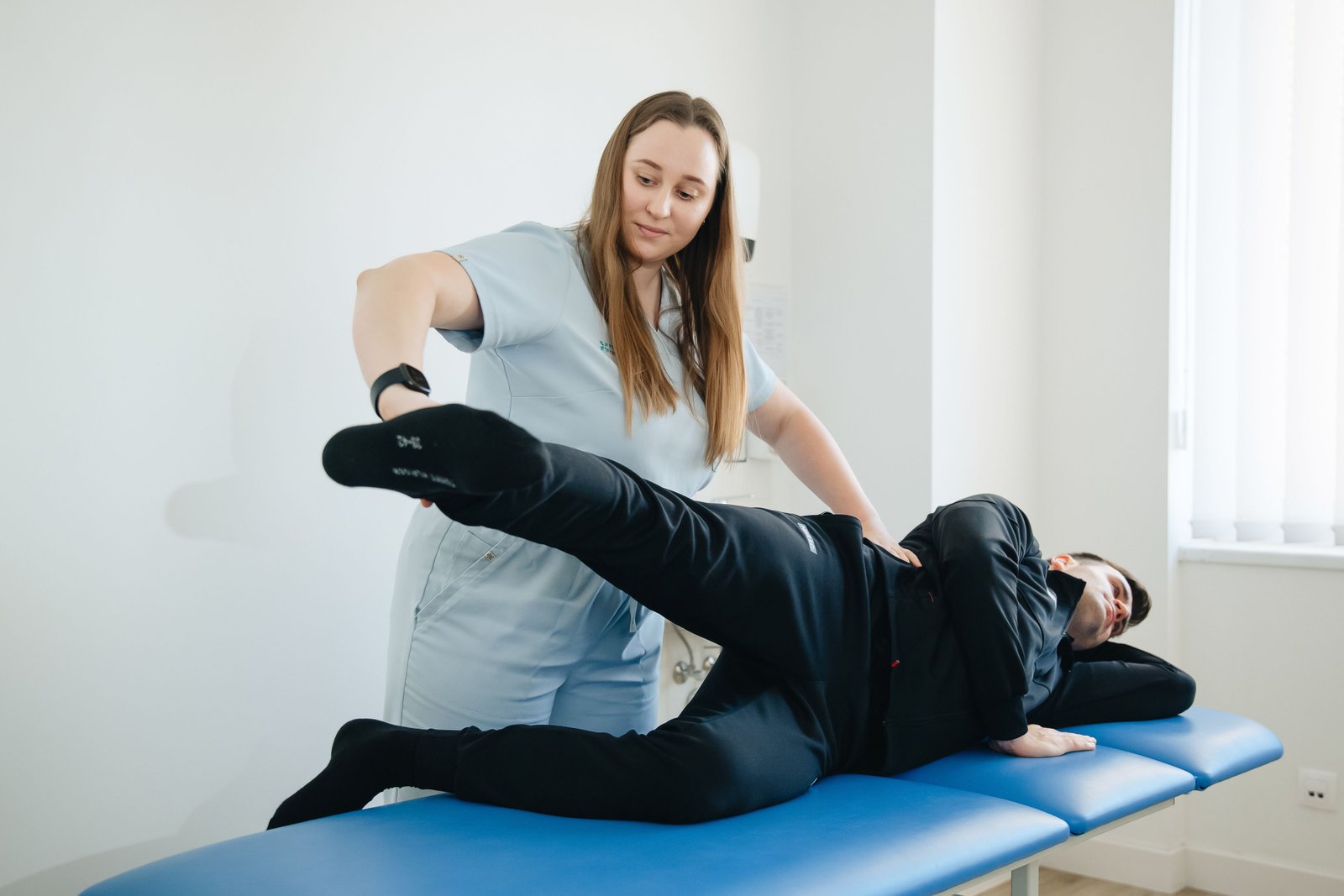
Once the grade of the strain is properly understood, guided rehab genuinely speeds up a safe return to sprinting or kicking sports. A Rehabilitation Consultation at Impact Sports Rehabilitation builds a progressive loading plan matched to your specific grade of strain, rather than a generic timeline that assumes every hip flexor strain is the same.
Rocktape kinesiology taping is often introduced as strength and confidence rebuild, providing support during the return to higher-intensity movement. Many clients find having someone confirm their actual readiness, rather than guessing based on how many weeks have passed, genuinely reduces the risk of re-straining the same muscle.
Returning To Sprinting Or Kicking Sports Safely
A safe return typically starts with pain-free walking and gentle hip flexion movements, progressing to jogging, then striding, and only then genuine sprinting or full-power kicking once each stage is comfortable. Many people find rushing straight back to top-speed sprinting before building through these intermediate stages is one of the more common reasons a hip flexor strain becomes a repeat injury.
Research suggests that maintaining hip flexor strength work even after returning to sport, rather than dropping it the moment symptoms settle, meaningfully reduces the risk of re-injury, particularly for sports involving repeated sprinting or kicking.
If a hip flexor strain is keeping you off the pitch or out of the gym, Impact Sports Rehabilitation works with athletes across Eccles, Salford, Trafford, and the wider Greater Manchester area on a genuine, staged return to sport. Ask about an online consultation if you’re further afield.
Frequently Asked Questions
How do I know if my hip flexor strain is mild or something more serious?
A dull ache that lets you walk reasonably normally usually points toward a mild, grade one strain, while significant pain, real difficulty lifting your knee, or visible bruising suggest a more substantial tear. If you’re genuinely unsure, it’s worth getting it properly assessed rather than assuming the milder option.
Is it safe to keep training through a mild hip flexor strain?
For a genuinely mild strain, some people manage light, pain-free activity, but continuing to sprint or kick at full intensity risks turning a mild strain into a more significant tear. Easing off the specific movements that aggravate it, sprinting and kicking especially, while staying otherwise active is usually the safer approach.
Could this actually be a groin strain instead of my hip flexor?
It’s possible, since the two sit close together and can feel similar at first, but hip flexor strain tends to produce pain at the very front of the hip tied to knee-lifting movements, while a groin strain is usually felt more toward the inner thigh. Our article on groin injury covers that distinction in more detail if you’re unsure.
How long until I can sprint or kick again without worrying about it?
This depends heavily on the grade of the strain, with mild strains often allowing a return within a couple of weeks and more significant tears taking considerably longer. Many clients at Impact Sports Rehabilitation find a staged, guided return gets them back with far more confidence than guessing based on how much time has passed.
Why does my hip flexor keep straining even though I’ve rested it properly?
Repeat strains often happen when the muscle hasn’t been fully rehabbed and strengthened before returning to full training, rather than anything being wrong with how you’re resting it. In our experience, a proper strengthening progression before returning to full-intensity sprinting or kicking makes a genuine difference to preventing this pattern.
This article is provided for general educational purposes by Impact Sports Rehabilitation and does not constitute medical advice, diagnosis, or treatment. Anyone with significant pain, an inability to lift the knee toward the chest, or visible bruising should be assessed by a qualified medical professional rather than self-grading the injury as mild; nothing in this article should be used to self-diagnose. Always seek the guidance of a doctor or other qualified health provider with any questions about your specific injury.