Quick answer: Effective jammed finger treatment starts with buddy taping to a neighbouring finger, ice, and gentle movement within a pain-free range, once you’ve ruled out a fracture or dislocation. Most mild jams settle over one to two weeks with this approach. Visible deformity, an inability to fully bend or straighten the finger, or significant swelling that doesn’t settle are signs you need medical assessment rather than home treatment and continuing to train.
You feel the gi catch your finger wrong mid-scramble, there’s a jolt of pain, and now you’re staring at a swollen knuckle wondering whether to strap it up and keep rolling or call it a day. It’s one of the most common injuries in grappling, and also one of the most commonly ignored, which is exactly why so many jammed fingers turn into a nagging, months-long problem instead of a two-week annoyance.
What Actually Happens When You Jam A Finger
A jammed finger typically happens when the fingertip gets caught, usually in a gi grip, a sleeve, or an opponent’s clothing, while the rest of the hand is still moving. The joint gets forced beyond its normal range, either bent backward, sideways, or compressed straight down the length of the finger, which stretches or partially tears the ligaments that normally keep the joint stable.
Most jammed fingers in grappling involve the middle knuckle of the finger, known as the PIP joint, since it takes the brunt of the force when a finger gets caught during a grip exchange or a scramble. The result is swelling, stiffness, and pain when you try to bend or straighten the finger fully, which can linger for days even after a genuinely mild jam.
First Aid In The First 10 Minutes
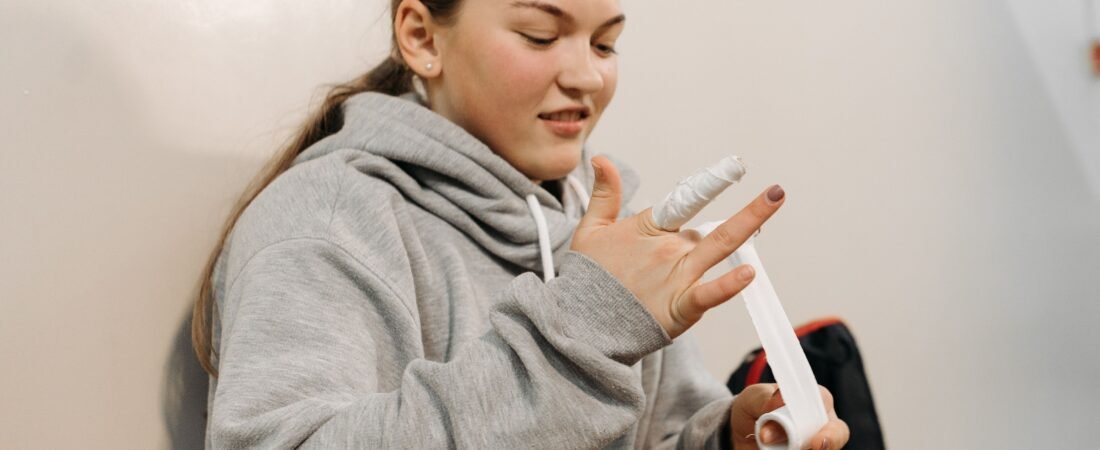
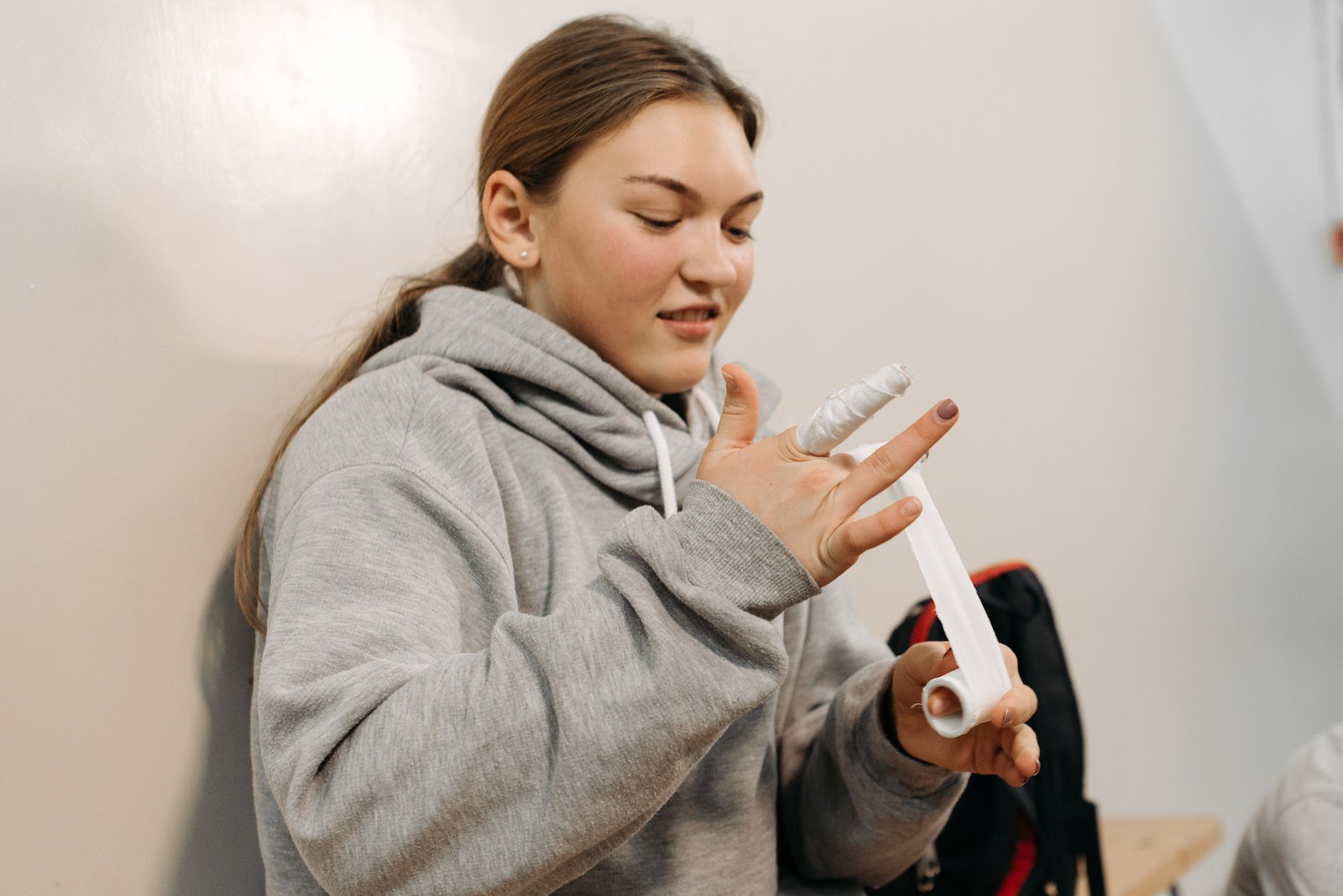
Right after the injury happens, whether you’re still on the mat or just off it, gently check whether the finger can bend and straighten at all, even if it’s uncomfortable. Buddy taping it to the finger next to it, using the neighbouring finger as a splint, provides support and keeps the joint from being knocked around further for the rest of the session or the day.
Ice for ten to fifteen minutes helps limit swelling in the first hour or two, and keeping the hand elevated rather than hanging by your side reduces throbbing. Many people find resisting the urge to aggressively test the finger’s range of motion in these first few minutes, poking and bending it to “see how bad it is,” actually makes swelling worse rather than telling you anything useful.
When It’s Actually Safe To Tape It And Keep Training
This is the question most jammed finger advice completely skips, because most of it is written for general sport rather than the specific reality of a grappling session. If the finger can bend and straighten through most of its normal range, the swelling is mild, and there’s no visible deformity, buddy taping it and finishing the session at a reduced intensity, avoiding grips that load that specific finger, is often reasonable.
What isn’t reasonable is continuing to roll at full intensity on a finger that’s genuinely painful to bend, since repeated re-aggravation on the same session is one of the most common ways a two-week jam turns into a two-month one. A practical rule many experienced grapplers use is finishing the current round if the finger allows it, then reassessing before starting another, rather than deciding upfront to push through the whole session regardless of how it feels.
It’s also worth being honest about grip choices for the rest of that session. Avoiding heavy gi grips or lapel chokes that load the injured finger directly, while still training positions that don’t stress it, is often a more realistic middle ground than either stopping completely or ignoring the injury outright.
When You Need To Get It Checked Instead
Some signs mean buddy taping and continuing isn’t the right call, and they’re worth taking seriously rather than hoping they settle on their own. Visible deformity, the finger looking crooked or sitting at an odd angle, is a clear signal of a possible dislocation or fracture rather than a straightforward jam.
An inability to fully bend or straighten the finger, even gently and without forcing it, along with significant swelling that isn’t improving after a day or two, both point toward something more than a mild ligament sprain. Numbness, or the finger looking noticeably shorter or at an odd angle compared to the others, are also signs to get it properly assessed rather than taping over the problem and continuing to train.
How Sports Rehab Supports Full Recovery
Once anything more serious has been ruled out, guided rehab genuinely speeds up getting full grip strength and finger mobility back, rather than just waiting for the swelling to go down on its own. A Rehabilitation Consultation at Impact Sports Rehabilitation assesses joint mobility and grip strength properly, building a plan that accounts for the specific demands grappling places on the hand.
Ongoing Rocktape kinesiology taping is often used during the return to training, providing support and useful feedback as grip strength and confidence rebuild session by session. Many clients find this genuinely reduces the chance of re-jamming the same finger repeatedly, which is a very common pattern without proper rehab.
Preventing Repeat Jammed Fingers In Grappling
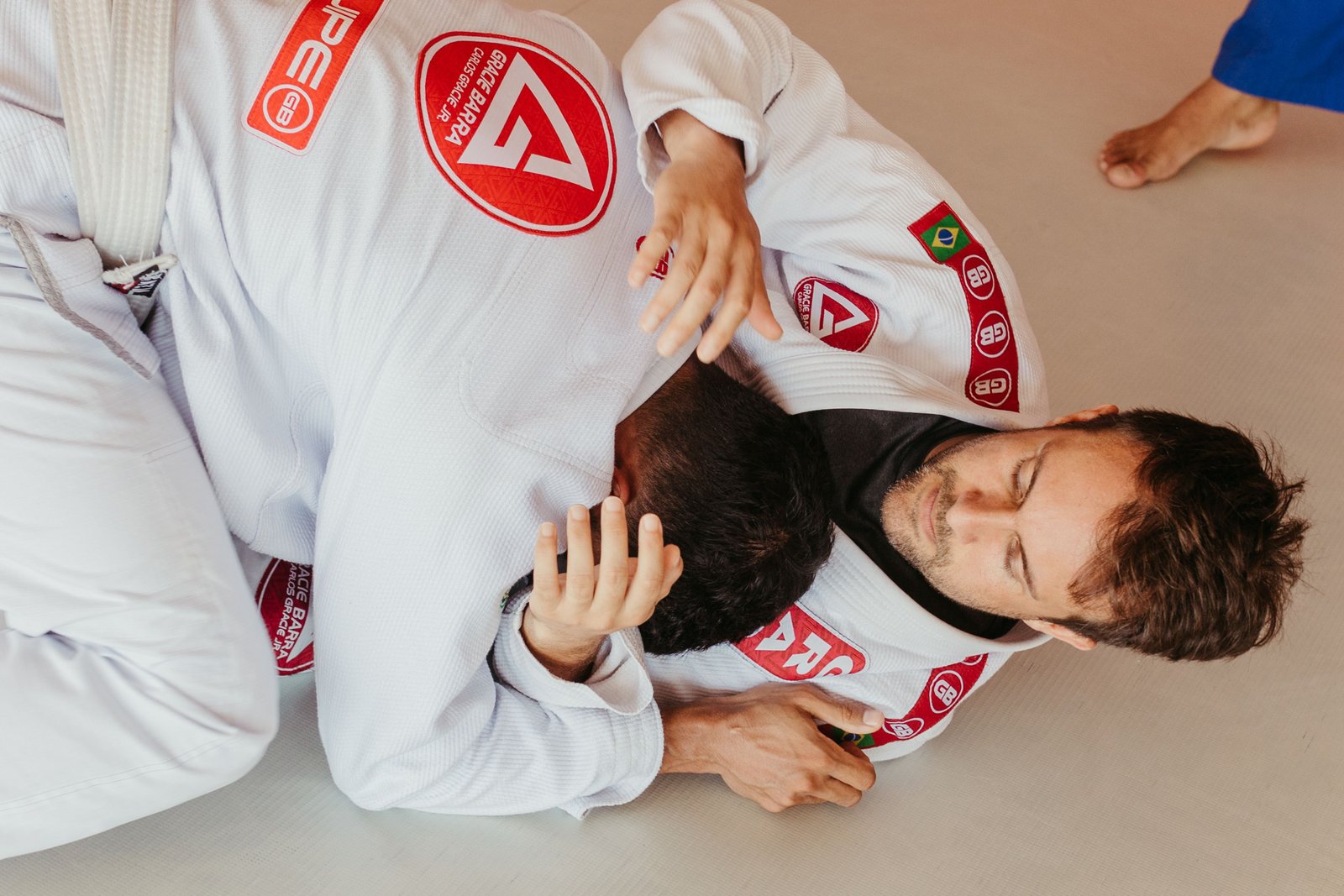
Grip and gi-handling adjustments make a genuine difference to how often this injury happens in the first place. Being deliberate about grip entries rather than grabbing blindly during a scramble, and releasing a grip early when a finger starts to feel caught rather than fighting to keep it, both reduce the chance of a finger getting jammed in the first place.
Many experienced grapplers also build in some general grip and finger strengthening work outside of training, since stronger, more resilient joints and tendons tend to tolerate the odd awkward catch better than untrained ones. Taping fingers that have been previously injured before a session, even once they feel fully recovered, is also a common and sensible habit among people who’ve dealt with a repeat jam before.
If a jammed finger is genuinely holding your grip and your training back, Impact Sports Rehabilitation works with grapplers and BJJ athletes across Eccles, Salford, Trafford, and the wider Greater Manchester area on exactly this, once anything more serious has been ruled out. Ask about an online consultation if you’re further afield.
Frequently Asked Questions
Is it okay to just tape my finger and keep rolling tonight?
If the finger can bend and straighten through most of its range, the swelling is mild, and there’s no visible deformity, taping it and finishing the session at reduced intensity is often reasonable. If bending it is genuinely painful or it looks crooked, it’s worth stopping and getting it checked rather than pushing through the rest of the session.
How do I know if my finger is broken or just jammed?
Visible deformity, real difficulty bending or straightening the finger even gently, and swelling that doesn’t start improving after a day or two are all signs it could be more than a simple jam. A jammed finger sprain usually allows at least some movement, even if it’s uncomfortable, whereas a fracture or dislocation often doesn’t.
My finger still looks swollen after a week, should I be worried?
Mild swelling that’s gradually improving over a week or two is fairly normal for a jammed finger, but swelling that isn’t reducing at all, or that’s getting worse, is worth having assessed rather than assuming it will resolve on its own. In our experience, that pattern often points to something that needs a proper look rather than continued home treatment.
Will buddy taping actually help or is it just for show?
Buddy taping genuinely helps by supporting the injured joint and limiting further awkward movement while it heals, which is why it’s a standard first step once a fracture or dislocation has been ruled out. Many people find it also gives useful proprioceptive feedback during the early return to grip-based training.
How long until I get my full grip strength back?
This depends on how significant the jam was and how consistently the finger was protected and rehabbed afterward, with mild jams often settling over one to two weeks and more significant ones taking longer. Many clients at Impact Sports Rehabilitation find guided rehab gets grip strength and confidence back more reliably than simply waiting it out.
This article is provided for general educational purposes by Impact Sports Rehabilitation and does not constitute medical advice, diagnosis, or treatment. Anyone with visible finger deformity, an inability to fully bend or straighten the finger, or significant swelling that doesn’t settle should be assessed by a qualified medical professional rather than continuing to tape and train; nothing in this article should be used to self-diagnose. Always seek the guidance of a doctor or other qualified health provider with any questions about your specific injury or condition.