
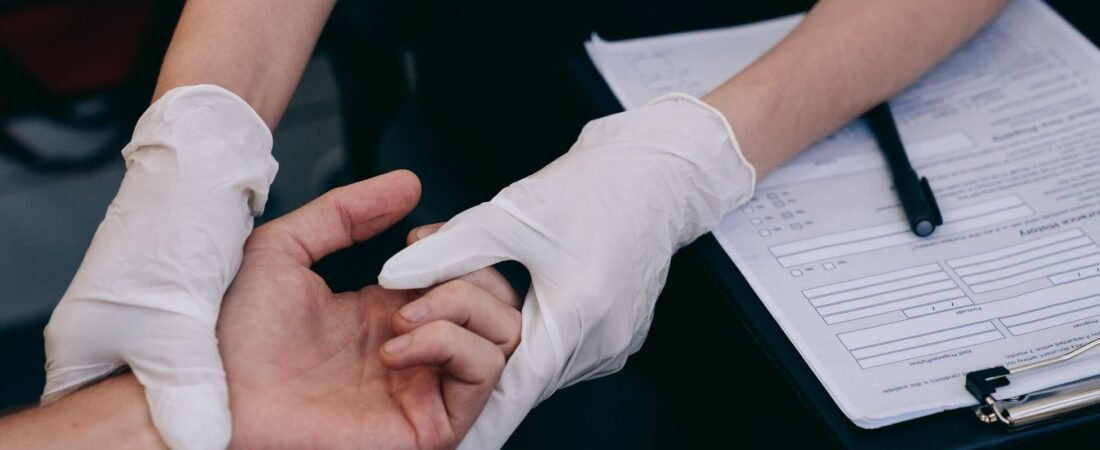
Quick answer: A TFCC injury is damage to the triangular fibrocartilage complex, a small but genuinely important cushion of cartilage and ligament on the little-finger side of the wrist, usually caused by a fall onto an outstretched hand, a forceful twisting motion, or gradual wear over time. It’s a genuinely under-recognised injury, often missed on standard examination and even on a plain X-ray, which is exactly why persistent ulnar-sided wrist pain that hasn’t settled the way a normal sprain should deserves a proper specialist or imaging assessment rather than being assumed to be slow-healing sprain.
If you play a racquet sport, do gymnastics or weightlifting, and you’ve got wrist pain specifically on the little-finger side that “should have settled by now” after being told it’s just a sprain, you might be dealing with a TFCC injury rather than an ordinary sprain that’s simply taking its time. This is a genuinely common pattern, and it’s worth understanding why your wrist still hurts when a standard sprain diagnosis said it shouldn’t.
What The TFCC Is And Why It Gets Injured
The triangular fibrocartilage complex, almost always shortened to TFCC, is a small but important structure made up of cartilage and ligaments sitting on the little-finger, or ulnar, side of your wrist. It plays a genuinely significant stabilising role, cushioning load transmitted through that side of the wrist and helping stabilise the joint between the two forearm bones as you rotate your wrist and forearm.
TFCC injuries happen in two broad ways. Traumatic tears result from a specific event, a fall onto an outstretched hand, a forceful twisting or rotating motion of the wrist, or a direct blow, all common in racquet sports, gymnastics, and weightlifting specifically because of the load and rotation these activities place through this exact structure. Degenerative tears develop more gradually over time, as the cartilage wears down with age and repetitive use, and are more common in older adults even without a specific injury moment.
The distinction between the two genuinely matters for how the injury behaves and how it’s best managed. A traumatic tear in an otherwise healthy young athlete, particularly one located toward the outer edge of the structure where blood supply is better, often has a genuinely good chance of healing well once properly identified and treated. A degenerative tear, by contrast, reflects gradual wear rather than a single traumatic event, and management tends to focus more on managing symptoms and load than expecting the tissue itself to fully heal in the way a fresh traumatic injury might.
Why This Injury Gets Missed So Often
This is exactly the confusion this reader is likely experiencing, and it’s worth addressing directly rather than skating past it. The TFCC is a genuinely small, complex, three-dimensional structure, and it simply doesn’t show up on a standard X-ray, which only images bone, not cartilage and ligament. A general wrist sprain examination often doesn’t specifically test the stability of the joint between the forearm bones or apply the particular stress tests that isolate this structure, so the injury can be present without the standard sprain check-up ever specifically looking for it.
Even with more advanced imaging, this remains a genuinely tricky diagnosis, research shows that standard MRI without contrast can still miss some TFCC tears, and a more specialised scan called an MR arthrogram, where contrast dye is injected into the joint before imaging, often gives a considerably clearer picture. This combination, a structure invisible on X-ray, not always specifically tested in a general assessment, and sometimes under-detected even on standard MRI, is exactly why TFCC injuries are so commonly missed or written off as a slow sprain, and why persistent ulnar-sided pain genuinely deserves a specialist look rather than more time and rest alone.
There’s also a genuine overlap in symptoms between a TFCC tear and a few other ulnar-sided wrist conditions, including irritation of a nearby tendon and a condition where the two forearm bones aren’t quite loading evenly, called ulnar impaction. This overlapping symptom picture is part of why a confident diagnosis often needs more than a single assessment or a quick look at imaging, and why persistent symptoms sometimes benefit from a specialist hand or wrist opinion rather than repeated generic sprain management.
Symptoms That Suggest TFCC, Not Just A Sprain
The genuinely distinguishing symptom is pain specifically on the little-finger side of the wrist, rather than more generally across the whole joint, often made worse by gripping, twisting a jar lid, pushing up from a chair, or rotating the forearm, such as turning a door handle or the follow-through of a racquet swing. A clicking or catching sensation during wrist rotation is another genuinely useful clue, one that ordinary ligament sprains don’t typically produce.
Weakness with gripping, particularly noticeable during activities that combine grip with rotation, and a sense that the wrist feels less stable specifically when weight-bearing through it at certain angles, both point more toward the TFCC than a general sprain. If this pattern sounds familiar, and especially if you were told it’s “just a sprain” that hasn’t behaved like one, it’s genuinely worth mentioning these specific details to whoever assesses you next.
How It’s Diagnosed And Treated
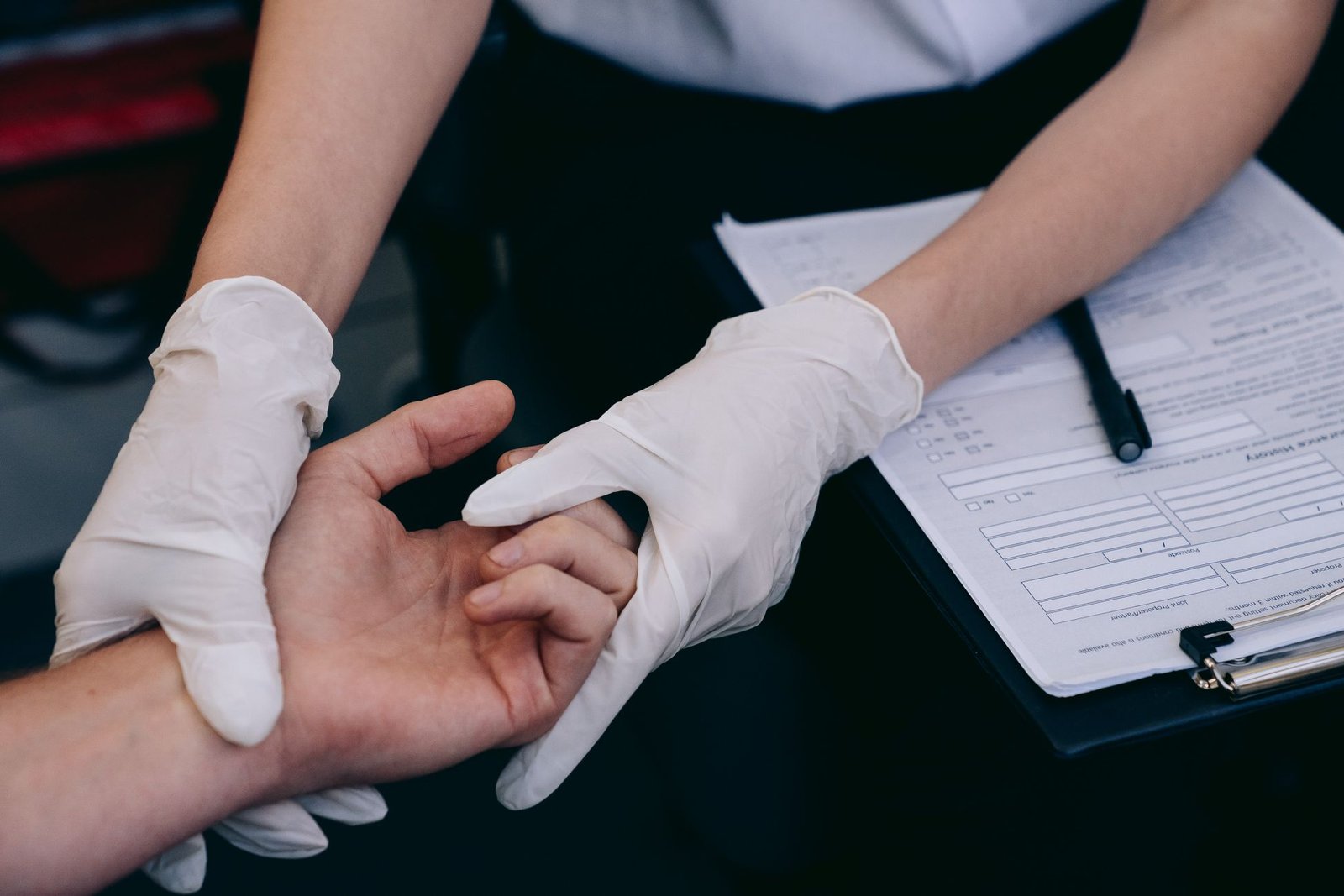
A proper diagnosis typically combines a clinical examination using specific tests that stress the TFCC and the joint it stabilises, alongside imaging, often an MRI or MR arthrogram, when the clinical picture points toward this structure rather than a general sprain. Mild to moderate tears, particularly many degenerative tears, often respond well to a period of splinting, activity modification, and guided rehab, without ever needing surgery.
More significant traumatic tears, or ones that genuinely haven’t responded to a proper trial of conservative treatment, sometimes need surgical treatment, either repairing the torn tissue directly where its blood supply allows healing, or trimming away the damaged portion where it doesn’t. Recovery from surgical treatment can take several months, but outcomes for return to grip strength and previous activity levels are genuinely good for most people who need this route, research following surgical patients has found the large majority regain the great bulk of their grip strength and successfully return to their pre-injury activity level.
Whichever type of tear is involved, a period of splinting or protection is a common early step to let symptoms settle and reduce the load going through the healing structure, before progressive rehab and strengthening begins. Rushing this early protective phase, particularly with a traumatic tear that’s still actively healing, tends to work against a good outcome rather than speeding things up.
How Sports Rehab Supports Recovery
Once a TFCC injury has been properly diagnosed, guided rehab plays a genuinely important role in restoring pain-free grip and rotation. At Impact Sports Rehabilitation, a Rehabilitation Consultation builds a plan around your specific diagnosis, whether managed conservatively or after surgery, rebuilding grip strength and rotational control at the right pace for your healing tissue.
Rocktape taping is something many clients find genuinely useful for extra support and confidence around the wrist during the return-to-grip phase, and sports massage can help manage the compensatory tightness that builds up through the forearm while the wrist protects itself. If your original assessment concluded it was “just a sprain” and this doesn’t sound right for how you’re actually presenting, our wrist sprain article covers what a genuine sprain typically looks like for comparison.
Returning To Grip-Heavy Sports Safely
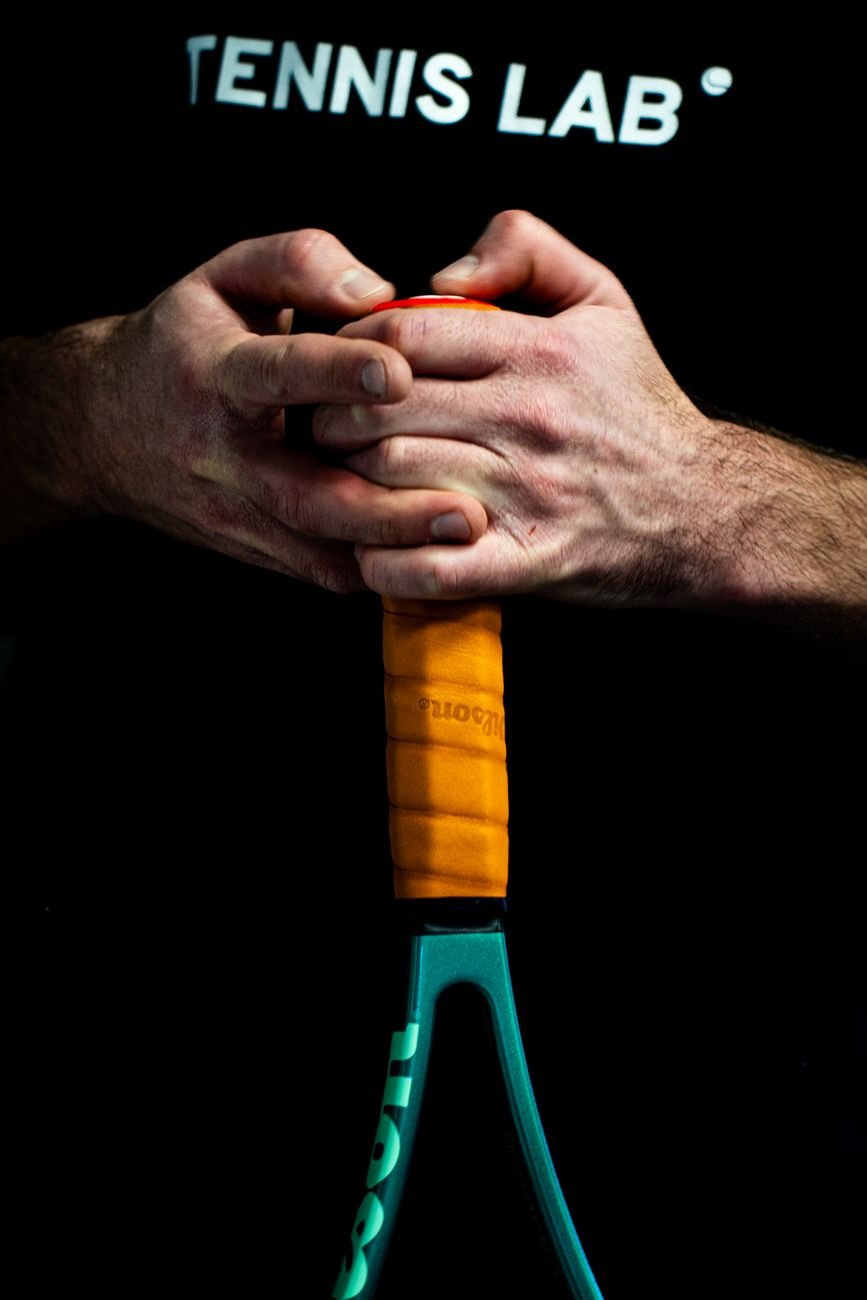
A safe return to racquet sports, gymnastics, or weightlifting after a TFCC injury needs to be graded carefully, since these are exactly the activities that combine grip and rotational load in the way that stresses this structure most. Rebuilding grip strength and rotational control progressively, rather than testing the wrist at full competitive intensity as soon as pain allows, genuinely matters for avoiding a repeat aggravation.
This injury is also easily aggravated if returned to too early, more so than some other wrist injuries, so paying close attention to how the wrist responds as load increases, rather than pushing through early discomfort, tends to give the best long-term outcome. For racquet sports specifically, a graded return that reintroduces the specific twisting, follow-through motion of a serve or forehand gradually, rather than testing it at full match intensity straight away, is what genuinely protects against the discomfort resurfacing once real competitive load returns.
If you’ve got ulnar-sided wrist pain that hasn’t settled the way a normal sprain should, Impact Sports Rehabilitation works with racquet sports players, gymnasts, and weightlifters across Eccles, Salford, Trafford, and the wider Greater Manchester area on exactly this kind of persistent wrist pain. Book a Rehabilitation Consultation, or ask about an online consultation if you’re further afield.
Frequently Asked Questions
Why has my wrist pain not gone away after being told it’s just a sprain?
This is a genuinely common pattern with a TFCC injury, since it’s a structure that a standard sprain assessment doesn’t always specifically test for. If your pain is on the little-finger side and hasn’t settled the way a normal sprain should, it’s worth asking specifically about the TFCC rather than assuming it’s simply a slow-healing sprain.
Will a normal X-ray show a TFCC tear?
No, an X-ray only shows bone, not the cartilage and ligament that make up the TFCC, so a normal X-ray genuinely doesn’t rule this injury out. An MRI, and sometimes a more specialised MR arthrogram, is what’s actually needed to see this structure properly.
Do I definitely need surgery for a TFCC tear?
Not necessarily, many mild to moderate tears, particularly degenerative ones, respond well to splinting and guided rehab without surgery. Whether surgery becomes necessary depends on the type and severity of your specific tear and how it responds to a proper conservative trial first.
Is the clicking in my wrist definitely a sign of a TFCC tear?
Not definitely on its own, but clicking combined with ulnar-sided pain, especially during gripping or rotation, is a genuinely useful pattern worth mentioning specifically to whoever assesses you. It’s the combination of symptoms that matters more than any single one alone.
Can I keep playing my sport while I get this looked at?
This depends on how irritable your symptoms currently are, which a proper assessment can help clarify. Continuing to load a wrist heavily through grip and rotation while a TFCC injury goes undiagnosed generally isn’t a good idea until you’ve had it properly checked.
How long does recovery from a TFCC injury usually take?
This genuinely depends on whether it’s managed conservatively or surgically and the specific type of tear involved, so we wouldn’t want to give a blanket timeframe. Many clients at Impact Sports Rehabilitation find a properly staged, guided rehab plan gives a much more realistic picture than a generic estimate.
This article is provided for general educational purposes by Impact Sports Rehabilitation and does not constitute medical advice, diagnosis, or treatment. TFCC tears are a genuinely under-recognised injury that can be missed on standard examination and even on plain X-ray, so persistent ulnar-sided wrist pain deserves a specialist or imaging assessment rather than being assumed to be simple sprain. Always seek the guidance of a doctor or other qualified health provider with any questions about your specific injury.