Quick answer: An ulnar collateral ligament injury is damage to the main ligament stabilising the inner side of the elbow, most often caused by the repetitive, high-velocity stress of throwing. It ranges from a mild stretch to a complete tear, and many ulnar collateral ligament injuries, particularly less severe ones, respond well to a structured non-surgical rehab programme rather than automatically needing Tommy John surgery. Which treatment path genuinely makes sense depends on the grade of the injury, where along the ligament it’s located, and how much your sport demands of your throwing arm.
If you’re a thrower, a baseball or cricket player, a javelin thrower, or any kind of overhead athlete, and you’ve developed pain on the inner side of your elbow, there’s a good chance the words “UCL injury” and “Tommy John surgery” have already crossed your mind, probably alongside a fair amount of worry about whether this is career-threatening. It’s an understandable fear, the name Tommy John gets thrown around a lot, but it genuinely isn’t the default outcome for most ulnar collateral ligament injuries. Here’s a realistic, honest picture of what’s actually going on in your elbow and what recovery typically involves.
What The UCL Does And Why Throwing Damages It
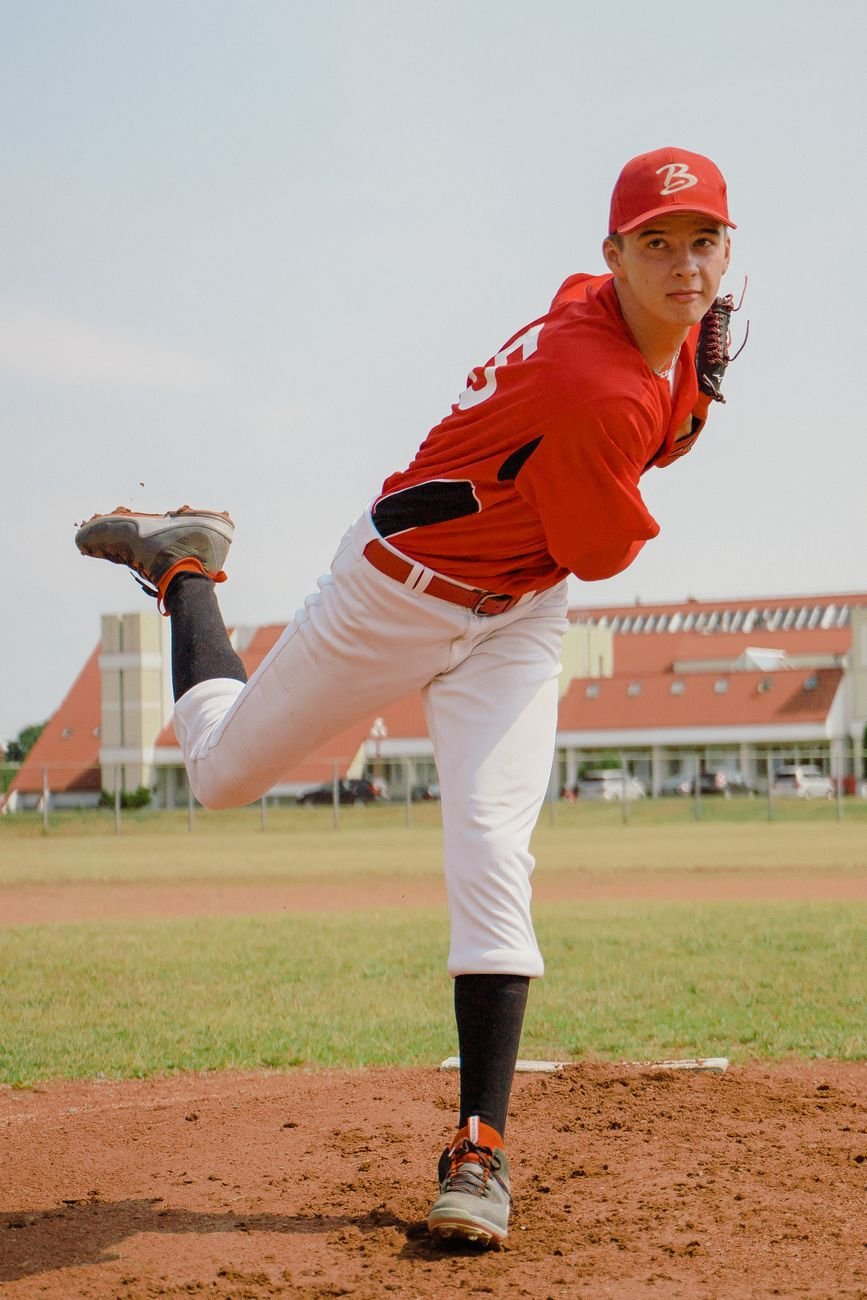
The ulnar collateral ligament runs along the inner side of your elbow and is the primary structure stabilising that side of the joint against the enormous stress placed on it during throwing. Every time you throw, particularly during the late cocking and acceleration phases of the motion, the inner elbow experiences a genuinely huge amount of valgus stress, a force trying to open up the inner side of the joint, and the UCL is what’s holding that together.
This repetitive, high-velocity loading, over thousands of throws across a season and a career, is exactly why UCL injuries are so strongly associated with throwing sports specifically, rather than being a general overuse injury seen equally across all activities. The ligament can fail gradually through accumulated microtrauma over time, or more suddenly during a single particularly forceful throw, though even an apparently sudden tear is often the final event on top of ligament tissue that was already somewhat compromised from repetitive loading.
Throwing volume and pitch count management have become a genuinely major focus in youth and academy-level throwing sports for exactly this reason, since the cumulative loading over a season, not just any single throw, is what tends to push a UCL toward failure over time. This is part of why a UCL injury often can’t be traced back to one specific moment, the elbow may simply have been absorbing more valgus stress across a long season than the ligament could keep tolerating.
Symptoms That Suggest UCL Trouble
The classic symptom is pain specifically on the inner side of the elbow that shows up during or shortly after throwing, often most noticeable during the acceleration phase of the throw rather than at rest. A drop in throwing velocity that isn’t explained by fatigue or mechanics alone is a genuinely common early sign, sometimes noticed before the pain itself becomes prominent, since the ligament instability can subtly affect how well force transfers through the arm.
Some throwers also describe a popping or tearing sensation at the moment of a more acute injury, along with a sense of looseness or instability in the elbow afterward. Tingling or numbness into the ring and little fingers can also occur, since the ulnar nerve runs close to this ligament and can become irritated alongside it, which is worth mentioning specifically to whoever assesses you rather than assuming it’s unrelated.
Pain that only shows up at higher throwing intensities, and settles quickly with rest, is a genuinely different pattern to pain that’s present even during lighter, warm-up throws, and that distinction is worth paying attention to and describing accurately when you’re being assessed, since it can point toward how significant the underlying ligament damage actually is.
How UCL Injuries Are Graded
Most content on UCL injuries jumps straight to Tommy John surgery without explaining that grading genuinely matters, and that plenty of these injuries don’t end up needing an operation at all. UCL injuries are generally graded in three stages. A grade one injury is a stretch of the ligament without an actual tear, a grade two involves the ligament being stretched along with a partial tear, and a grade three is a complete tear of the ligament.
There’s a genuinely important detail that gets missed even in a lot of grading-focused content, where along the ligament the injury sits matters almost as much as the grade itself. Tears closer to where the ligament attaches near the humerus tend to respond considerably better to conservative treatment than tears located further down near the ulna, and outcomes research bears this out clearly, injuries closer to the humerus succeed with non-surgical treatment considerably more often than those lower down the ligament. This is exactly why two people with what sounds like “the same grade” of tear can reasonably be given quite different treatment recommendations.
Treatment Options, From Rest To Surgery
Grade one and many grade two UCL injuries are genuinely well suited to conservative management, which typically means a period of rest from throwing, addressing pain and inflammation, and a properly structured rehab programme that strengthens the forearm, shoulder, and core muscles that share the job of protecting the elbow during throwing. This isn’t a lesser or fallback option, plenty of throwers, including at a high level, return to full throwing performance this way.
A complete, grade three tear, or a partial tear that genuinely hasn’t responded to a proper trial of conservative management, is where surgical reconstruction, the procedure widely known as Tommy John surgery, becomes a more realistic conversation. It’s worth being honest that conservative treatment success rates do vary considerably depending on the level and demands of your sport, elite, high-volume pitchers in particular have a tougher road with conservative management than a recreational thrower or a cricketer with lower single-session throwing volume, which is exactly the kind of context a proper assessment takes into account rather than a blanket grade-based rule. Some clinicians also use adjuncts like platelet-rich plasma injections alongside a structured rehab programme for certain partial tears, though this is a decision made on an individual basis with your treating specialist rather than something to request as a default.
How Sports Rehab Supports Recovery
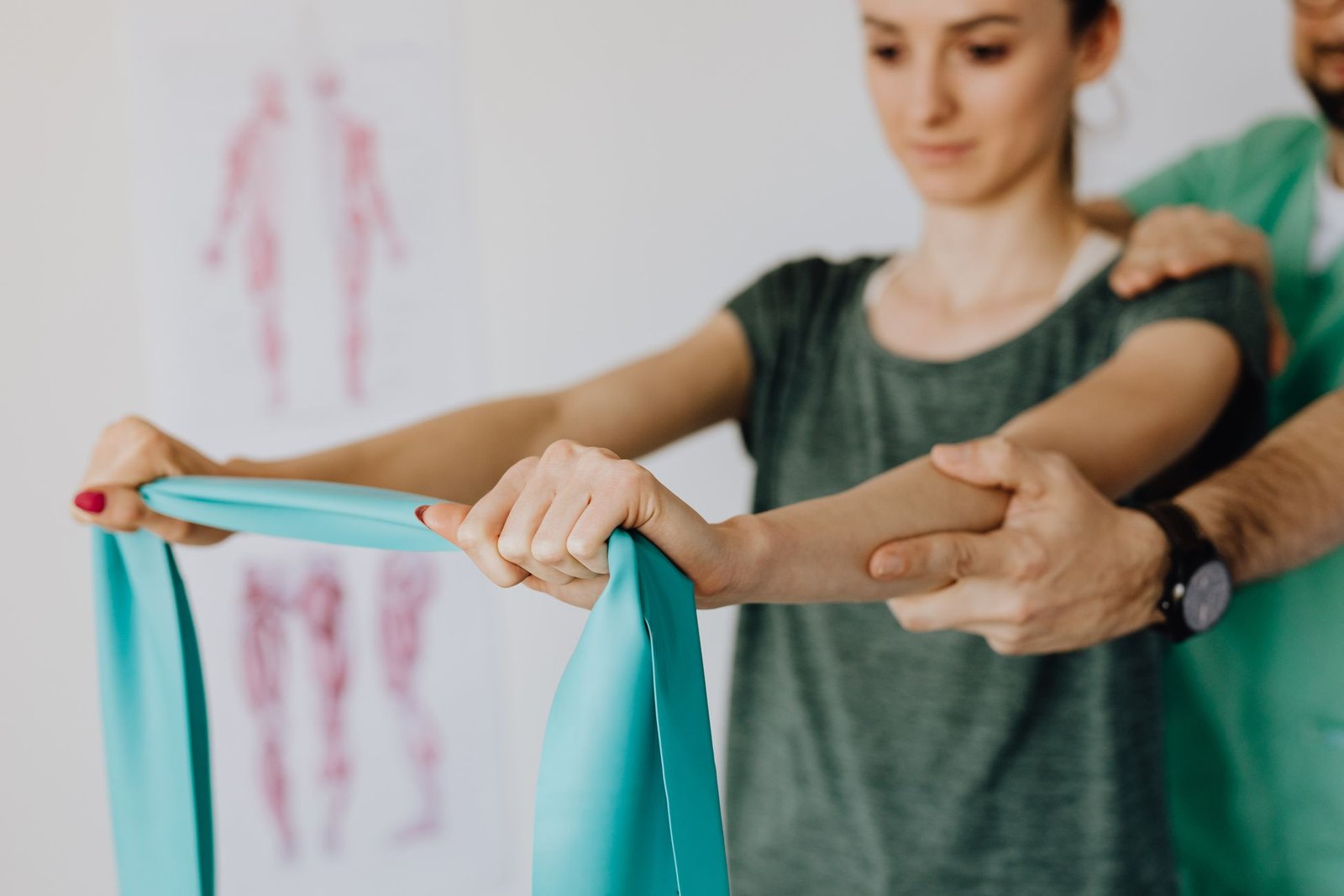
Whether a UCL injury is managed conservatively or surgically, structured rehab plays a genuinely central role either way. At Impact Sports Rehabilitation, a Rehabilitation Consultation builds a plan around strengthening the muscles that reduce mechanical load on the UCL during throwing, forearm flexors, shoulder rotators, and core stability, rather than treating the elbow in isolation from the rest of the throwing chain.
Rocktape taping is something many throwers find genuinely useful for extra proprioceptive support around the elbow during the strengthening and early return-to-throw phases, and sports massage can help manage the compensatory tightness that tends to build up through the forearm and shoulder while the elbow is protecting itself.
Returning To Throwing Safely
Getting back to full, competitive throwing after a UCL injury, whether managed conservatively or surgically, absolutely requires a structured, graded throwing progression rather than a return straight to full velocity and volume. This typically starts with short-distance, low-effort throws and builds up distance before intensity, since velocity and full-effort throwing place by far the greatest valgus stress on the healing or rehabilitated ligament.
Rushing this progression is one of the most common reasons a UCL injury that felt genuinely better ends up recurring once real competitive throwing volume returns, which is exactly why a properly staged interval throwing programme, rather than an arbitrary “back to normal” date, is what actually protects the ligament long term.
Ongoing load management once you’re back to full throwing genuinely matters too, this isn’t a “recover once and forget about it” injury. Continuing to track pitch counts or throwing volume, keeping the supporting strength work going as ongoing maintenance rather than dropping it once symptoms resolve, and addressing any throwing mechanics that placed excessive stress on the elbow in the first place, all meaningfully reduce the chance of the same injury recurring down the line.
If inner elbow pain during throwing has you worried about a UCL injury, Impact Sports Rehabilitation works with throwers and overhead athletes across Eccles, Salford, Trafford, and the wider Greater Manchester area on exactly this kind of elbow assessment. Book a Rehabilitation Consultation for a realistic, honest look at what’s going on, or ask about an online consultation if you’re further afield.
Frequently Asked Questions
Does this mean my throwing career is over?
No, definitely not automatically, plenty of UCL injuries, particularly grade one and many grade two tears, are managed successfully without surgery and without ending a throwing career. A proper assessment is what actually tells you where your specific injury sits, rather than assuming the worst from the name Tommy John alone.
Is it definitely a UCL injury if my inner elbow hurts when I throw?
Not necessarily, inner elbow pain during throwing can come from a few different structures, and only a proper clinical assessment, often alongside imaging, can confirm it’s genuinely the UCL rather than something else. Self-diagnosing from pain location alone isn’t reliable enough to plan treatment around.
How long should I try rest and rehab before considering surgery?
This genuinely depends on your grade, where the tear is located, and how your specific symptoms and throwing performance are progressing, so we wouldn’t want to give a blanket timeframe. Many clients at Impact Sports Rehabilitation find a structured, reassessed conservative trial gives a much clearer answer than an arbitrary cutoff.
Will bracing or taping alone fix a UCL injury?
Not on their own, though many throwers find them genuinely useful as extra support during the strengthening and return-to-throw phases. The real work happens through addressing throwing mechanics and rebuilding strength through the whole throwing chain, not from external support alone.
Can this happen even if I don’t play baseball?
Yes, any sport involving repetitive, high-velocity throwing or overhead motion, cricket, javelin, and others, can place similar valgus stress on the elbow, even if the injury is best known from baseball pitchers. The mechanism is the same regardless of the specific sport.
Is numbness in my ring and little finger related to this?
It can be, the ulnar nerve runs close to the UCL and can become irritated alongside a ligament injury, so this is genuinely worth mentioning specifically to whoever assesses you. It shouldn’t be assumed to be unrelated or ignored.
This article is provided for general educational purposes by Impact Sports Rehabilitation and does not constitute medical advice, diagnosis, or treatment. UCL injuries range from a mild sprain to a complete tear, and a proper clinical assessment and imaging are needed to determine severity and the right treatment path rather than self-diagnosing or self-grading. Always seek the guidance of a doctor or other qualified health provider with any questions about your specific injury.