Quick answer: Quadratus lumborum pain is a deep, dull ache felt on one side of the lower back, roughly between your lowest rib and the top of your pelvis, caused by tightness or strain in the quadratus lumborum muscle. It tends to change with posture and movement rather than radiating down the leg, which is one of the features that helps distinguish it from disc or sacroiliac joint pain. Most cases genuinely respond well to load management, targeted exercise, and hands-on treatment once more serious causes have been ruled out.
If you’ve been dealing with a nagging ache on one side of your lower back and someone, a clinician, a physio, or maybe your own research, has mentioned the quadratus lumborum, you’re probably wondering whether that’s actually what’s going on or just a guess. Lower back pain gets attributed to all sorts of structures, and it’s genuinely reasonable to want to understand what’s actually happening rather than just being handed a stretch sheet. In our experience, patients who understand the difference between mechanical QL tightness and other causes of lower back pain get far more out of their rehab, because the right treatment genuinely depends on getting the source right. Here’s an honest, clear look at this muscle, what causes it to tighten up, and how to think about whether it’s really your QL.
What The Quadratus Lumborum Does And Why It Tightens Up
The quadratus lumborum, often just called the QL, is a deep muscle running from your lowest rib down to the top of your pelvis on each side of your spine. It plays a genuinely important stabilising role, helping to hold your spine and pelvis steady during almost everything you do, from standing and walking to bending and lifting, and it’s one of the few muscles that works hard even when you’re just standing still.
Because it’s constantly active in this stabilising role, the QL is particularly prone to becoming overworked and tight when the demands on it change, whether that’s from spending long periods in one position, carrying uneven loads, or asking it to control movement patterns it isn’t used to. Unlike a muscle that only fires during a specific exercise, the QL rarely gets a genuine break during your waking hours, which is part of why it tightens up so readily in people with fairly ordinary, non-athletic lifestyles as well as athletes.
Common Causes, From Poor Posture To Asymmetric Loading
Prolonged sitting is one of the most common triggers, particularly sitting with your weight shifted to one side, in a chair without proper lower back support, or in a car seat for long periods, since this asks the QL to hold an asymmetric position for far longer than it’s designed to sustain comfortably. Leg length differences, even fairly minor ones that you might not otherwise notice, can also place chronic uneven demand on the QL on one side.
Asymmetric loading in training or sport is a major factor too, golf, tennis, and other rotational or one-sided sports place repeated, uneven demand on the QL, and heavy, uneven lifting, carrying a bag consistently on one shoulder, or favouring one side during exercise can all contribute over time. A sudden increase in training volume, particularly anything involving heavy lifting or rotational movement, without adequate recovery, is another common trigger, since the QL, like other muscles, needs time to adapt to a new demand rather than being asked to absorb it all at once.
Stress is a genuinely underrated contributor as well. General muscular tension has a well-known tendency to settle into areas like the lower back and QL, particularly during prolonged periods of stress or poor sleep, and this can compound whatever mechanical factors are already at play. It’s not always the obvious physical trigger, a heavy lifting session or a long car journey, that fully explains a flare-up, and considering the less obvious contributors is often part of getting to the bottom of a recurring pattern.
How To Tell If It’s Really Your QL Or Something Else
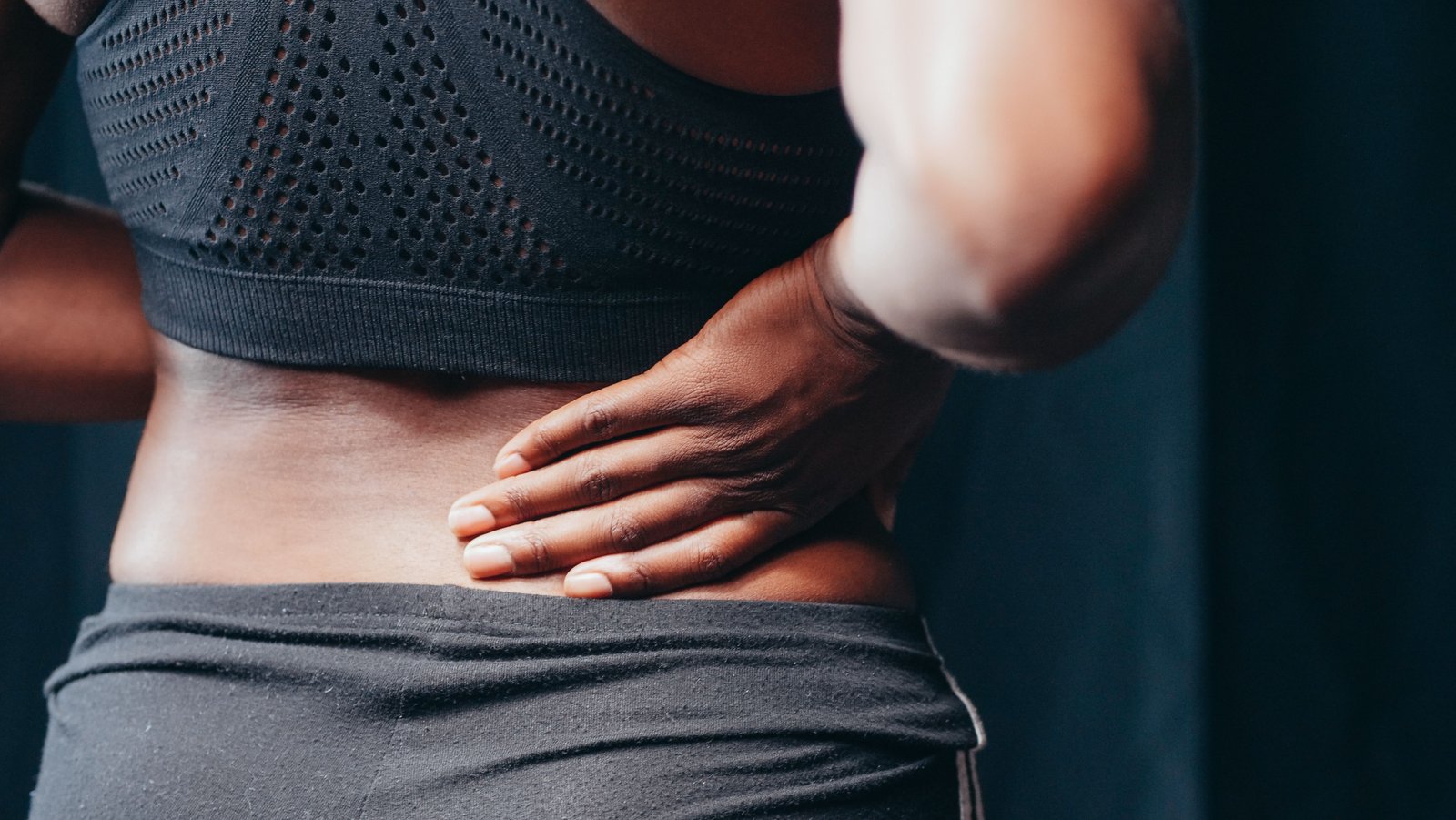
This is the part most quadratus lumborum articles skip, jumping straight to stretches without helping you understand whether the QL is genuinely the source. QL pain tends to feel deep, dull, and somewhat difficult to pinpoint exactly, usually sitting to one side of your spine rather than centrally, and it typically behaves mechanically, meaning it changes noticeably with posture, position, and movement, easing or worsening as you shift how you’re sitting or standing. Importantly, straightforward QL tightness doesn’t usually cause tingling, numbness, or sharp, electric sensations, and it doesn’t typically travel down the leg past the knee.
Disc-related pain behaves quite differently, it more often radiates down the leg, sometimes with numbness or tingling, and tends to worsen with forward bending or prolonged sitting in a way that’s more pronounced than simple QL tightness. Sacroiliac joint pain tends to sit lower and more centrally, closer to the dimples at the base of your spine, and often flares specifically with transitional movements like standing up from sitting. None of this is a substitute for a proper assessment, since these patterns overlap more than any online guide can fully capture, and quadratus lumborum pain is genuinely, commonly mistaken for disc issues, sacroiliac joint dysfunction, and even referred kidney pain, which is exactly why getting an accurate diagnosis from a clinician matters more than trying to work it out yourself from a symptom checklist.
When Lower Back Pain Needs Urgent Medical Attention
Most lower back pain, including QL-related tightness, is genuinely manageable and not a sign of anything serious. That said, certain symptoms mean lower back pain needs urgent medical attention rather than home treatment or a wait-and-see approach. Numbness or tingling that spreads down the leg, particularly if it’s progressive or affecting both legs, is worth taking seriously, as is any noticeable, ongoing weakness in the leg or foot rather than simple stiffness.
Any loss of bladder or bowel control alongside lower back pain is a genuine medical emergency and needs immediate attention, not a next-available-appointment approach. These red flag symptoms are uncommon, but they exist precisely because a small proportion of lower back pain has a cause that genuinely can’t wait, and it’s always better to get checked and be reassured than to assume the worst-case scenario doesn’t apply to you.
Treatment And Recovery That Actually Helps
Once anything more serious has been ruled out, treatment for genuine QL tightness benefits from going beyond generic stretching. Addressing whatever’s actually driving the tightness, an asymmetric desk setup, an uneven training pattern, or a leg length difference, matters just as much as treating the tightness itself, otherwise the same pattern tends to reassert itself within weeks.
Gentle mobility work helps in the short term, but building genuine strength and control through the core and hip muscles that share load-bearing responsibility with the QL tends to make the real long-term difference, since a QL that’s constantly overworked because neighbouring muscles aren’t pulling their weight will keep tightening up regardless of how often you stretch it. Heat can ease acute tightness, and many people find hands-on treatment genuinely effective at releasing the persistent tension that stretching alone doesn’t reach. Correcting the asymmetric habit that’s driving it, whether that’s a workstation setup, a training imbalance, or a postural pattern, is what actually stops this cycle repeating.
Workstation adjustments matter more than people expect for a desk-based cause, an unsupportive chair, a monitor positioned to one side, or a habit of leaning consistently in one direction can all quietly recreate the same asymmetric load day after day, undoing whatever progress the rest of the treatment plan is making. Addressing this alongside the exercise and hands-on work, rather than treating it as a separate, lower-priority issue, tends to be what actually breaks a genuinely recurring pattern.
How Sports Rehab Supports Long-Term Relief
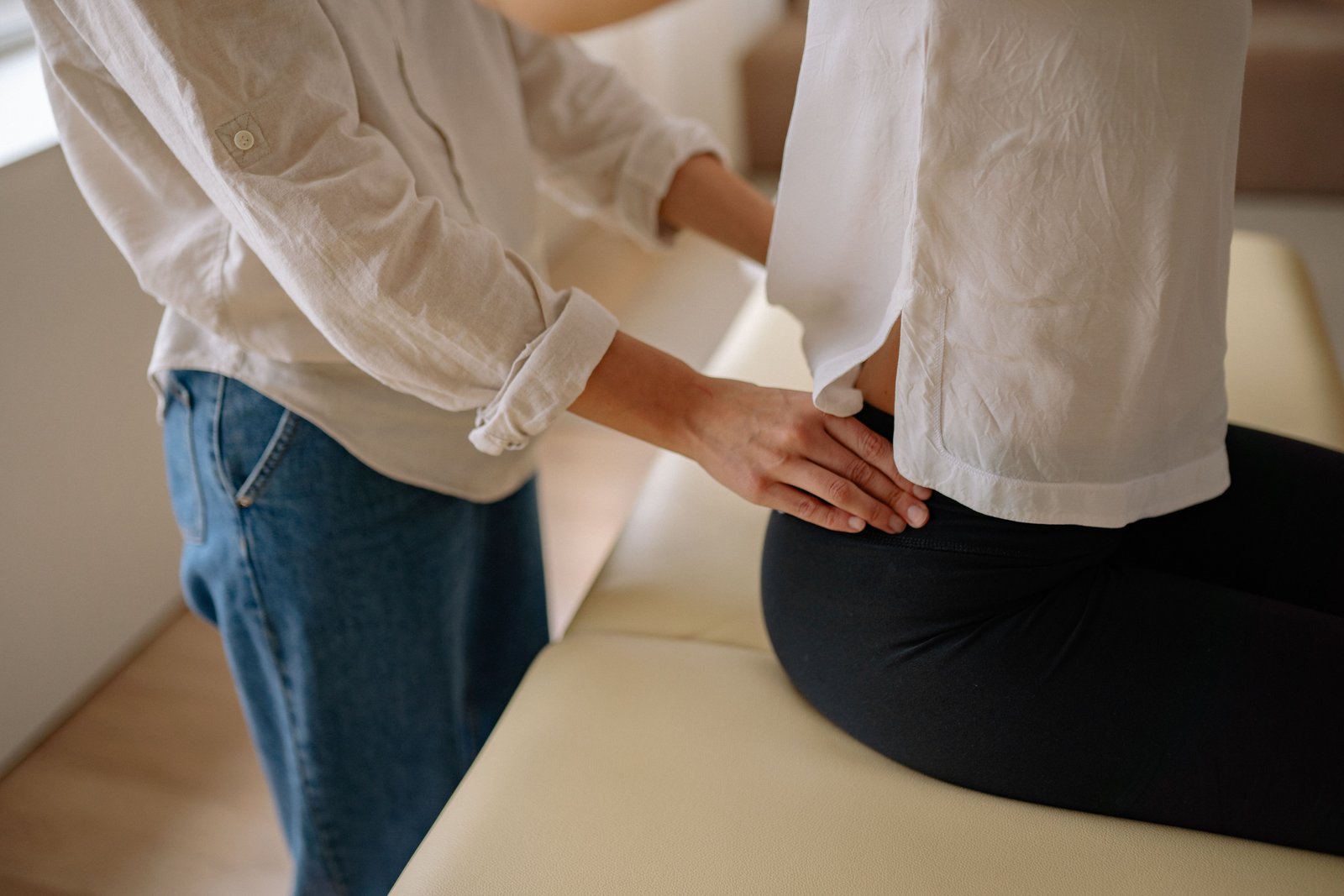
Once a genuine musculoskeletal cause of your lower back pain has been confirmed, a guided approach tends to outperform a self-directed stretching routine at actually resolving it long term. At Impact Sports Rehabilitation, sports massage is often used to release the tightness and trigger points that build up in and around the QL, giving more targeted relief than generic stretching alone.
Cupping therapy is another tool many clients find genuinely helpful for persistent one-sided lower back tension, particularly when the area has been tight for a while. Beyond hands-on treatment, a proper assessment identifies what’s actually driving the imbalance, whether that’s a desk setup, a training pattern, or an asymmetry elsewhere in your body, so the plan addresses the underlying cause rather than treating the same ache on repeat.
If you’ve got one-sided lower back pain and want an honest answer about whether it’s really your QL rather than something else, Impact Sports Rehabilitation works with desk-based clients and athletes across Eccles, Salford, Trafford, and the wider Greater Manchester area on exactly this kind of persistent muscle pain. Book a Rehabilitation Consultation for a proper assessment, or ask about an online consultation if you’re further afield.
Frequently Asked Questions
Could my one-sided lower back pain actually be something more serious than my QL?
It’s possible, which is exactly why getting it properly assessed rather than assuming matters. Most one-sided lower back pain is genuinely mechanical and related to muscles like the QL, but numbness or tingling down the leg, progressive weakness, or any loss of bladder or bowel control need urgent medical attention rather than being treated as simple muscle tightness.
Why does my lower back pain get worse when I sit for a long time?
This is a very common pattern with QL tightness, since sitting, particularly with your weight shifted to one side, asks the muscle to hold an asymmetric position for an extended period. That said, prolonged sitting can also aggravate disc-related pain, so if the pain also radiates down your leg, it’s worth mentioning that specifically to whoever assesses you.
Is it safe to keep exercising with QL pain?
Often yes, though it depends on how irritated the area currently is and what’s driving it, which a proper assessment is best placed to guide. Many people are able to modify rather than fully stop, particularly avoiding movements that clearly aggravate it while the underlying cause is addressed.
Will stretching alone fix my quadratus lumborum pain?
Stretching can genuinely ease the ache short term, but on its own it rarely addresses whatever asymmetric pattern caused the tightness in the first place, which is why the pain often returns. Combining stretching with strengthening work and, where the cause is a genuine imbalance elsewhere, correcting that pattern tends to get more lasting results.
How long does quadratus lumborum pain usually take to settle?
This varies depending on how long it’s been building and what’s actually driving it, so we wouldn’t want to give a specific timeframe without knowing your individual situation. Many clients at Impact Sports Rehabilitation notice a real difference once both the symptom and the underlying cause are being addressed together, rather than the symptom alone.
This article is provided for general educational purposes by Impact Sports Rehabilitation and does not constitute medical advice, diagnosis, or treatment. Lower back pain can occasionally indicate a more serious underlying issue, and numbness or tingling radiating down the leg, progressive weakness, or any loss of bladder or bowel control require urgent medical attention rather than self-treatment; nothing in this article should be used to self-diagnose. Always seek the guidance of a doctor or other qualified health provider with any questions about your specific pain or condition.