Quick answer: Shin pain treatment genuinely depends on the actual cause, and shin splints, stress fractures, tendinitis, and the much rarer compartment syndrome all produce pain in roughly the same area but behave differently and need different approaches. Shin splints typically ease somewhat with rest and worsen with activity, stress fractures often cause pain that’s pinpointed to one spot and doesn’t fully settle even at rest, and any severe swelling, numbness, or pain out of proportion to the injury needs urgent medical attention rather than home treatment. Getting the cause right before starting shin pain treatment is genuinely the difference between recovering in weeks versus months.
Shin pain is frustrating precisely because it’s rarely obvious what’s actually causing it. Shin splints, a stress fracture, tendinitis, and a few rarer conditions can all produce pain in roughly the same general area, which makes it easy to assume the most commonly talked-about cause and treat the wrong thing entirely. This guide walks through the real differences, so you’re treating what you actually have.
The Most Common Causes Of Shin Pain
Most shin pain articles online only really discuss shin splints, which leaves a real gap for anyone whose symptoms don’t quite fit that pattern. Shin splints, medically medial tibial stress syndrome, are the most common cause, an overuse injury from repetitive stress along the shin bone, usually from a training increase, footwear, or surface change.
Stress fractures are a genuinely different, more serious condition: an actual small crack in the tibia caused by repetitive load outpacing the bone’s ability to repair itself. Tendinitis, inflammation of a tendon around the shin or ankle, is another real possibility, often mistaken for shin splints because the pain sits in a similar area. Chronic exertional compartment syndrome is rarer but worth knowing about, caused by pressure building up within the muscle compartments of the lower leg during exercise. Each of these needs a genuinely different shin pain treatment approach, which is exactly why lumping them all together as “shin splints” can delay real recovery.
There’s a less common cause worth a brief mention too: nerve irritation higher up the leg can sometimes refer pain down into the shin area, producing a burning or tingling quality that’s distinct from the dull ache or sharp point tenderness of the more common causes. It’s not the first thing to suspect, but if your shin pain genuinely doesn’t fit any of the more typical patterns, it’s worth mentioning to whoever assesses you rather than assuming it must be shin splints simply because that’s the most familiar name.
How To Tell Which One You Might Have
Shin splints typically cause a duller, broader ache along the inner shin that tends to ease somewhat as you warm up and improves with rest, often over a few days. A stress fracture, by contrast, usually causes pain concentrated in one small, specific spot, tends to worsen rather than improve with continued activity, and can hurt even at rest or at night, a pattern shin splints don’t typically follow.
Tendinitis often produces pain that’s more localized to a tendon, sometimes with noticeable stiffness first thing in the morning that eases somewhat with gentle movement. Compartment syndrome has a fairly distinctive pattern of its own: a tight, pressure-like pain deep in the muscle that comes on predictably during exercise and eases fairly quickly once you stop, sometimes with some numbness or a feeling of the leg being unusually tight. None of these general patterns are a substitute for a proper assessment, but recognising which one sounds like your experience is genuinely useful information to bring to that assessment.
Timing relative to a change in training is another clue worth paying attention to. Pain that started clearly after a mileage jump, a new pair of shoes, or a switch to a harder running surface points toward an overuse cause like shin splints or tendinitis. Pain with no obvious trigger, or that’s been building slowly over many weeks despite no real change in training, is worth mentioning specifically, since it can shift a clinician’s thinking toward a stress-related bone injury rather than a straightforward overuse strain.

Shin Pain Treatment Options By Cause
Shin splints treatment centres on genuine load reduction, ice, supportive footwear, and gradual strengthening once acute pain settles, usually resolving within a few weeks of consistent management. Stress fractures need considerably more caution, typically a real period away from impact activity, sometimes with a boot or restricted weight-bearing, since continuing to load a stress fracture risks it progressing to a complete fracture.
Tendinitis often responds well to load management combined with targeted strengthening of the affected tendon, alongside addressing whatever training factor irritated it in the first place. Compartment syndrome is different again, since conservative measures like rest and stretching often provide only limited relief, and more persistent cases sometimes need a surgical procedure to relieve the pressure. This is exactly why an accurate diagnosis matters so much before committing to any single shin pain treatment approach.
Timeframes differ meaningfully too. Shin splints and tendinitis often respond within a few weeks of proper load management, while a confirmed stress fracture typically needs a much longer, more cautious period of restricted impact activity, often six to eight weeks or more, guided by follow-up assessment rather than how the leg feels. Treating a stress fracture with a shin splints timeline, expecting a quick turnaround, is a common and costly mismatch.
When Shin Pain Is A Medical Emergency
Most shin pain, even the more serious causes above, isn’t a genuine emergency, but a few specific presentations are. Severe, rapidly worsening swelling, numbness or tingling in the foot, pain that feels dramatically out of proportion to any injury, or pain that intensifies when someone else gently stretches your toes or foot are all signs of acute compartment syndrome, a genuine medical emergency requiring immediate care, not a wait-and-see approach.
This acute form is different from the chronic, exercise-triggered version mentioned earlier, and it typically follows a significant injury or unusually intense exertion rather than building gradually over weeks. If you’re experiencing this combination of symptoms, go to A&E rather than booking a routine appointment, since delayed treatment can risk permanent muscle and nerve damage.
How Sports Rehab Diagnoses And Delivers Shin Pain Treatment
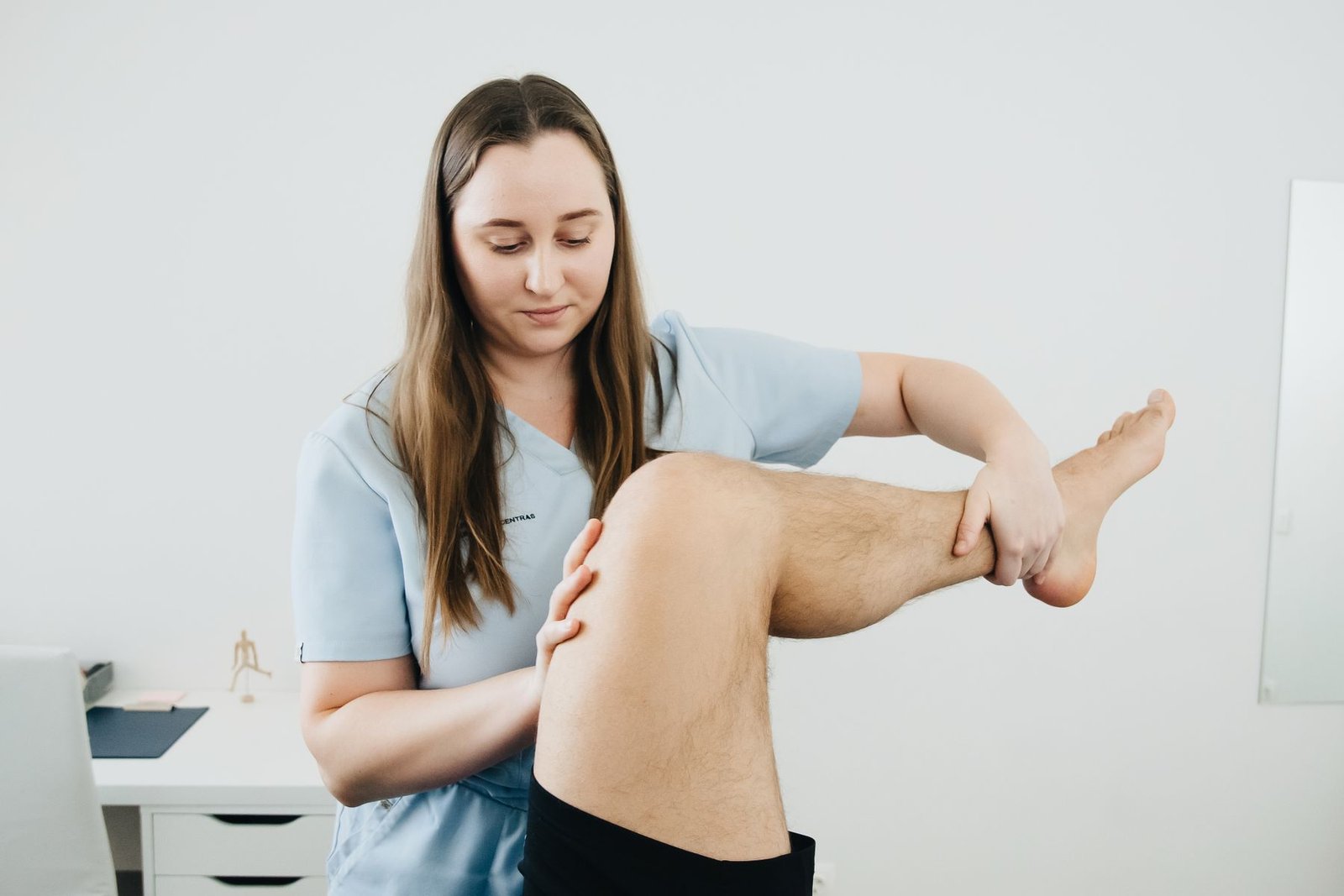
Getting the cause right is the foundation of effective shin pain treatment, and that starts with a proper assessment rather than an assumption. A Rehabilitation Consultation looks at your specific pain pattern, training history, and how the pain behaves with activity and rest to build an accurate picture before recommending a plan, rather than defaulting to a generic shin splints protocol for every case of shin pain.
Once the actual cause is identified, Sports Massage can help manage the muscle tightness that often accompanies shin pain of any cause, supporting the rest of a targeted recovery plan. Most clients notice that starting with an accurate diagnosis, rather than guessing, saves genuine time and frustration compared to trying one generic approach after another.
Preventing Shin Pain From Coming Back
Whatever the original cause, the underlying training factors that contributed to it deserve real attention once symptoms resolve. Respecting a gradual mileage build, ideally increasing by no more than around ten percent a week, replacing worn footwear before it’s obviously falling apart, and paying attention to sudden changes in running surface all reduce the chances of shin pain returning.
Strength work targeting the calf, shin, and hip muscles supporting your lower leg is genuinely worth maintaining even once pain has resolved, not just during active recovery. Many people find that athletes who treat prevention as an ongoing habit, rather than something to think about only after pain shows up again, go considerably longer between episodes.
Nutrition and recovery basics matter more than people expect too, particularly for anyone who’s had a stress fracture. Adequate calcium and vitamin D intake, decent sleep, and not stacking hard training sessions back to back without real recovery time all support the bone and soft tissue repair that keeps shin pain from becoming a recurring theme. None of this replaces proper training load management, but it does give your body a genuine fighting chance to keep up with the demands you’re placing on it.
If shin pain has been dragging on and you want an accurate answer instead of another guess, Impact Sports Rehabilitation works with runners and athletes across Eccles, Salford, Trafford, and the wider Greater Manchester area on exactly this. Ask about an online consultation if you’re further afield.
Frequently Asked Questions
How do I know if my shin pain is serious or just shin splints?
Pain that’s spread along a broader area, eases somewhat with warming up, and improves with a few days of rest leans toward typical shin splints. Pain concentrated in one small spot, that worsens with continued activity, or that persists at rest or at night is a different pattern that deserves a proper assessment rather than assuming it’s the same thing.
Can shin pain be something other than shin splints even if I’m a runner?
Absolutely, and this is exactly the assumption that leads people astray. Stress fractures, tendinitis, and less commonly compartment syndrome are all real possibilities for runners specifically, and treating any of these as ordinary shin splints can genuinely delay proper recovery.
Do I need an X-ray or scan to know what’s causing my shin pain?
Not always, since a clinician can often identify a likely cause through your history and a physical assessment, but imaging becomes important if a stress fracture is suspected, since this genuinely changes the treatment approach and how much activity is safe to continue. In our experience, it’s better to get imaging when there’s real uncertainty than to guess and risk a stress fracture progressing.
How long does shin pain treatment usually take?
This varies enormously by cause, with straightforward shin splints often improving within a few weeks of proper load management, while a stress fracture can take considerably longer, sometimes six to eight weeks or more of restricted activity. Many people find that knowing the actual cause upfront, rather than guessing, is what keeps this timeline from stretching out unnecessarily.
Is it safe to keep training through shin pain if it’s manageable?
This depends entirely on the cause, which is exactly the problem with training through pain you haven’t had properly assessed. Manageable discomfort from mild shin splints might be fine to train through cautiously, but the same approach with an undiagnosed stress fracture risks a genuinely serious complication, so getting a clinician’s input before deciding is the safer route.
This article is provided for general educational purposes by Impact Sports Rehabilitation and does not constitute medical advice, diagnosis, or treatment. Severe swelling, numbness, pain out of proportion to the injury, or pain worsened by passive stretching of the foot or toes requires urgent medical attention; nothing in this article should be used to self-diagnose the cause of your shin pain. Always seek the guidance of a doctor or other qualified health provider with any questions about your specific condition.