
Quick answer: MCL exercises to avoid mainly include anything that places direct inward, or valgus, stress on the knee before the ligament has healed enough to tolerate it, such as lateral lunges, wide side-to-side movements, and deep squats or pivots that let the knee cave inward. Which exercises are genuinely risky depends on the grade and stage of your specific injury, so this is general guidance rather than a substitute for individual clinical assessment.
If you’ve done any research into recovering from an MCL sprain, you’ve probably found plenty of lists telling you what exercises to do, and a lot less telling you what to actually avoid, which is frustrating when you’re the one trying not to set your recovery back. Knowing the specific MCL exercises to avoid matters just as much as knowing what to do, because the medial collateral ligament has a very specific job, resisting your knee bending inward, and certain common exercises load it in exactly the direction it’s least able to tolerate while healing. This article takes a direct, practical look at the movements worth avoiding, why they’re risky, and what to do instead at each stage of recovery.
Why Doing The Wrong Exercise Too Early Is So Common With MCL Injuries
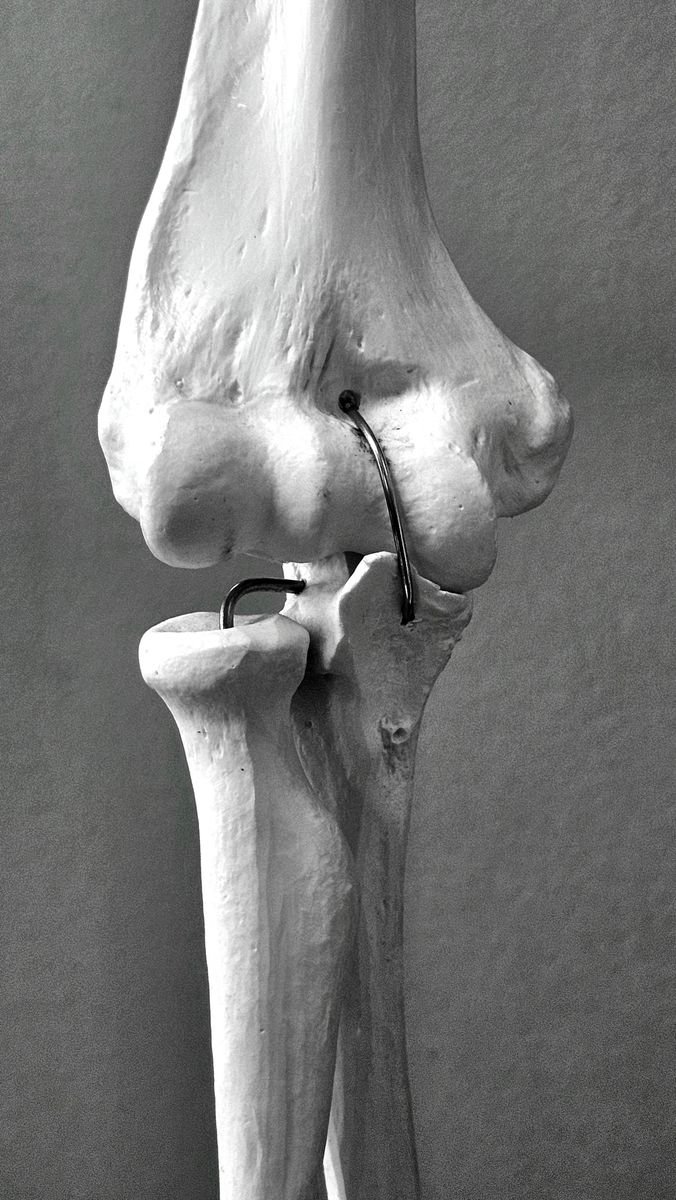
The MCL runs along the inner side of your knee and its main job is preventing the knee from collapsing inward, a movement known as valgus stress. This is exactly why so many common exercises inadvertently stress a healing MCL, since a huge number of everyday and gym movements, from stepping sideways to pivoting to landing awkwardly, involve some degree of inward knee movement without you necessarily noticing it. Many people also assume that once the sharp pain from the initial injury settles, most exercises are fair game again, but a healing ligament can still be considerably weaker than it looks or feels, and it’s this gap between feeling fine and actually being structurally ready that catches a lot of people out. Understanding specifically which movements load the MCL in this way is the first step to avoiding a setback.
Movements That Stress The MCL Directly
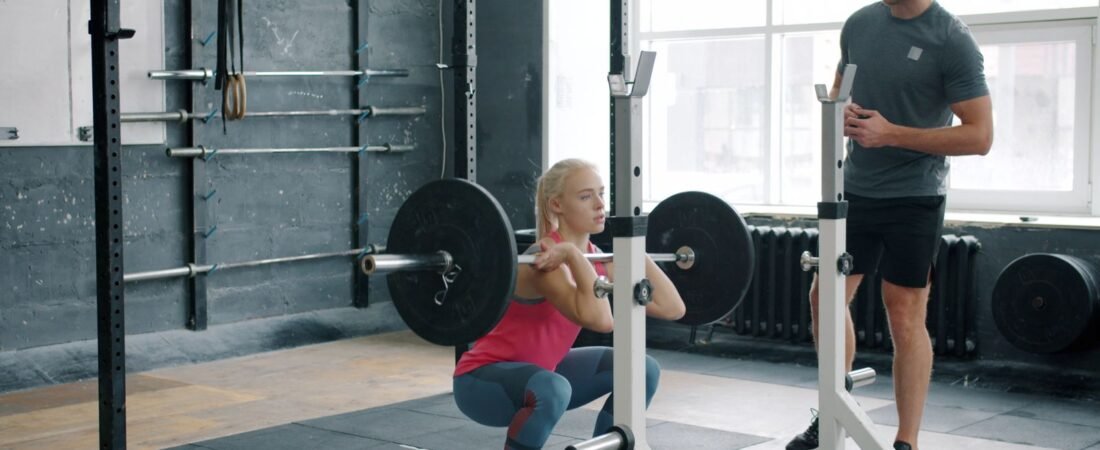
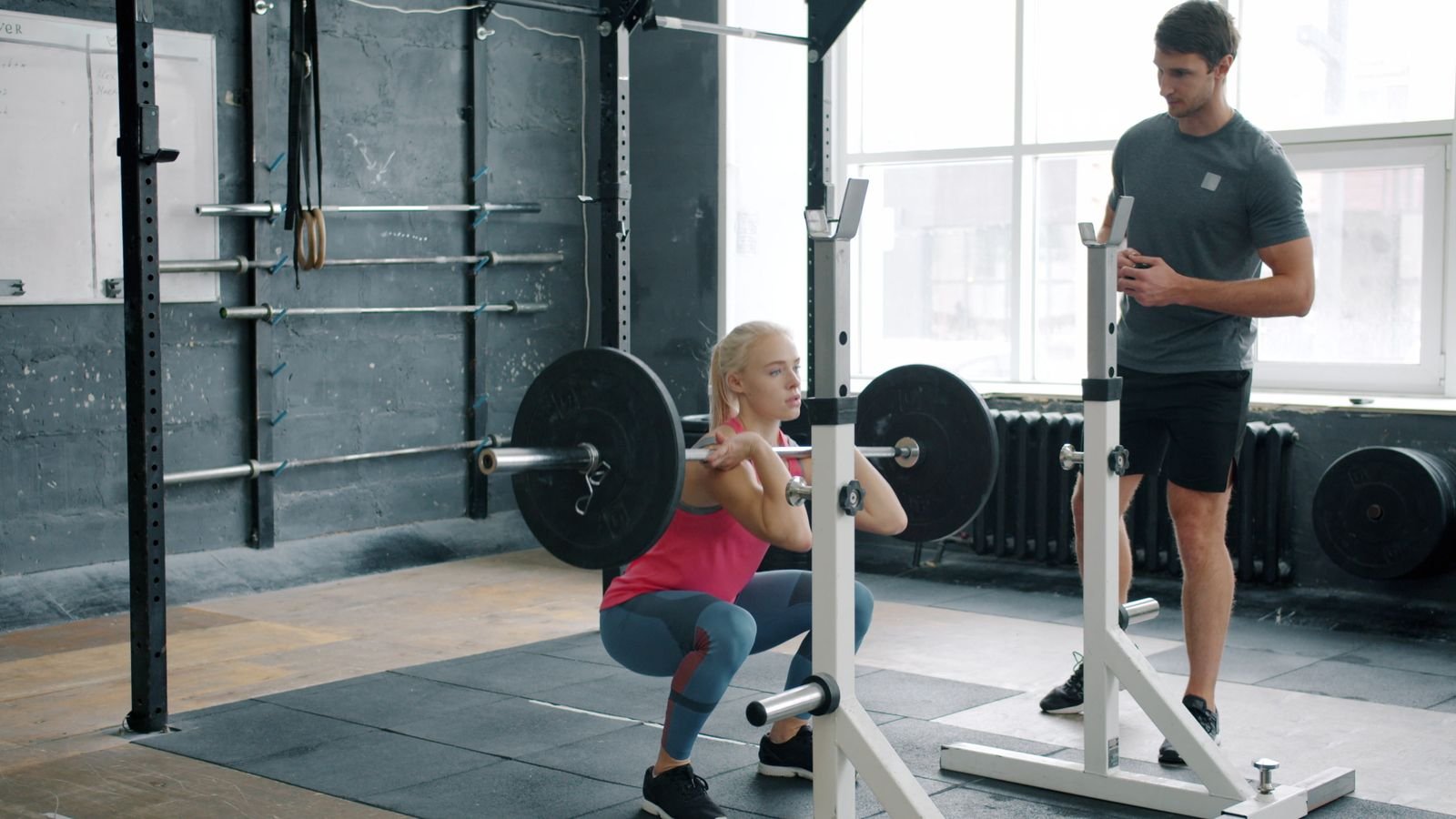
A few categories of exercise place direct valgus stress on the knee and are generally worth avoiding until you’ve been cleared for that stage of loading. Lateral lunges and side-to-side lunging patterns are a common culprit, since stepping sideways into a bent-knee position inherently pushes the knee toward that inward collapse the MCL is meant to resist. Resistance band lateral walks, often recommended for hip strengthening, can have the same effect if the band tension or your form allows the knee to drift inward rather than tracking straight over the foot. Any cutting, pivoting, or sudden direction-change movement, common in football, basketball, or combat sports training, places rapid, forceful valgus load on the knee and is one of the higher-risk categories for re-aggravating a healing MCL. Deep squats performed with poor knee tracking, where the knees visibly cave inward toward each other rather than staying aligned over the toes, are another genuine risk, not because squatting itself is inappropriate, but because that specific inward collapse under load is precisely the stress the MCL is trying to recover from. Machines that load the knee at an angle, such as certain leg press or hip machines set with the foot placement turned outward, can also introduce a degree of rotational and inward stress that isn’t always obvious just from looking at the machine itself, so it’s worth checking foot and knee positioning carefully on any equipment rather than assuming a seated, supported machine is automatically safe.
Exercises That Are Fine For Other Injuries But Risky Here
This is one of the more confusing parts of MCL recovery, because some exercises that are genuinely excellent for general knee rehab, or for other specific knee injuries, aren’t appropriate for an MCL in its earlier healing stages. Single-leg balance work on an unstable surface, often recommended broadly for knee proprioception, can inadvertently introduce small, uncontrolled inward knee movements as you correct your balance, which is exactly the kind of unpredictable load an early-stage MCL isn’t ready for. Hip abduction machines that involve pushing outward against resistance while seated can be fine, but standing cable hip abduction, where your standing leg has to stabilise against a side-pulling force, asks the MCL to do stabilising work it may not be ready for. Similarly, some plyometric landing drills that are entirely appropriate for, say, an ACL-focused programme can still involve enough lateral knee movement on landing to be inappropriate for a concurrent or recent MCL injury. This is exactly why a generic knee rehab exercise list found online can genuinely mislead someone with an MCL-specific injury, since what’s safe depends heavily on which structure is actually healing.
Why Pain-Free Doesn’t Always Mean Safe
This is genuinely one of the most important, and most overlooked, points in MCL recovery. A movement not hurting in the moment doesn’t necessarily mean it’s safe for the ligament, because ligament tissue doesn’t always give the same clear, immediate pain feedback that muscle strain or acute joint irritation does. It’s entirely possible to perform a mildly stressful movement, feel nothing concerning at the time, and still be placing measurable load on tissue that hasn’t finished remodelling, with any consequence only becoming apparent hours later, or as a nagging sense of instability that develops over repeated sessions rather than any single obvious moment. This is why following a genuinely staged programme, rather than simply testing movements by how they feel, matters so much with ligament injuries specifically. It’s a bit like testing the strength of a rope by giving it a gentle tug, a light test can feel completely secure while the rope is still genuinely too weak to bear real weight, and ligament tissue behaves in a broadly similar way during the middle stages of healing. Many people find this distinction, that comfort in the moment isn’t the same as structural readiness, is the single most useful thing to understand about MCL recovery, since it explains why a properly assessed and staged approach consistently outperforms just avoiding anything that currently hurts.
What To Do Instead At Each Stage
Rather than simply avoiding movement altogether, each category above has a genuinely appropriate alternative depending on your stage of healing. In place of lateral lunges and side-to-side loading, straight-line movements like forward step-ups, controlled leg presses, and sagittal-plane squats, meaning knee movement that stays in a straight forward-and-back line rather than side to side, are generally far better tolerated early on. Instead of standing cable hip abduction, seated or lying hip abduction against light resistance targets similar muscles without asking the knee to stabilise against a lateral pulling force. Balance work is still valuable, but starting on a stable, flat surface before progressing to anything unstable gives the MCL a chance to build tolerance gradually rather than being challenged all at once. As the ligament progresses through healing, controlled multi-directional work is typically reintroduced gradually and deliberately, starting with small, slow, supported movements before working back up to anything resembling the lateral lunges or cutting movements avoided earlier, rather than skipping straight from straight-line-only work to full sport-specific movement. For the full positive exercise progression appropriate at each stage, our companion article on MCL physical therapy exercises covers this in more detail, this article is deliberately focused on what to avoid and why, rather than repeating that guidance here.
How Sports Rehab Helps You Avoid These Mistakes
Given how easy it is to inadvertently stress a healing MCL through exercises that seem perfectly reasonable on the surface, working with a proper, staged, and individually assessed programme makes a genuine difference. At Impact Sports Rehabilitation, a rehabilitation consultation starts with confirming the grade and stage of your specific MCL injury, since this directly determines which movements are appropriate right now versus which ones need to wait. From there, the programme is built and adjusted around how you’re actually responding, rather than a generic list that treats every MCL injury the same regardless of severity or healing stage. This kind of guided approach, alongside supportive tools like sports massage or Rocktape kinesiology taping where appropriate, is what most reliably helps people avoid the frustrating cycle of feeling ready, pushing ahead, and then setting their own recovery back by weeks.
If you’re recovering from an MCL sprain and want a clear, individually assessed sense of what’s genuinely safe at your specific stage, rather than guessing from a generic list, a rehabilitation consultation at Impact Sports Rehabilitation in Eccles, Greater Manchester can give you exactly that. We work with runners, footballers, gym-goers, and combat-sports athletes throughout Eccles, Trafford, Salford, and the wider Manchester area, and online consultations are available if you’re further afield.
Frequently Asked Questions
How do I know if an exercise is putting valgus stress on my knee without realising it?
A simple way to check is to watch your knee alignment in a mirror or on video while performing the movement, looking specifically for whether the knee drifts inward toward the other leg rather than staying aligned over your foot. If you’re genuinely unsure, having a therapist watch your form directly is far more reliable than trying to judge it yourself, especially early in recovery.
Is it ever okay to just push through mild discomfort during MCL exercises?
Generally not, since mild discomfort during a specific movement, especially anything felt on the inner side of the knee, is exactly the kind of signal worth respecting rather than pushing past with an MCL injury. This is different from the normal, dull muscle fatigue you might feel from general strengthening work elsewhere in the leg.
I’ve been told to avoid lateral lunges, but my gym programme has them every week, what do I do?
This is a really common situation, and it’s worth substituting a straight-line alternative, like a forward lunge or step-up, for the lateral version until you’ve been specifically cleared for lateral loading. Many clients find that a brief conversation with a therapist about safe substitutions for their existing programme is genuinely useful rather than trying to guess which exercises to swap.
Can I still do upper body or core training while avoiding these knee-specific movements?
Yes, in most cases upper body and core work that doesn’t load the knee can generally continue, though it’s still worth checking anything involving standing or single-leg positions with a therapist first. Staying active in ways that don’t stress the healing ligament is often genuinely encouraged rather than discouraged during this period.
How long do I actually need to avoid these movements for?
This depends entirely on the grade of your MCL injury and how your individual healing is progressing, so there’s no fixed timeline that applies to everyone. At Impact Sports Rehabilitation, we reassess this stage by stage rather than relying on a generic calendar, since research suggests individual healing pace genuinely varies quite a bit between people.
What happens if I’ve already done one of these exercises without realising, should I panic?
A single instance of an inappropriate movement isn’t necessarily a disaster, and many people find that simply noticing it, stopping, and monitoring for any increase in symptoms over the following day or two is a sensible response rather than panicking. If you do notice increased pain, swelling, or instability afterward, that’s a good reason to get reassessed rather than continuing to guess.
This article is educational and general in nature, and is not a substitute for professional medical diagnosis or treatment. Which exercises are appropriate for your specific MCL injury depends on its grade and stage of healing, and this guidance should not replace an individualised rehabilitation plan. Impact Sports Rehabilitation offers rehabilitation consultations to assess your specific injury and confirm what’s genuinely safe to do right now.


