

Quick answer: A fibula stress fracture causes persistent, localised pain along the outer lower leg that gradually worsens with activity and improves with rest, distinct from shin splints or ankle pain because of its specific location and gradual onset. It’s caused by repetitive loading, often a rapid increase in training volume, that outpaces the fibula’s ability to adapt and repair. This needs proper medical imaging to confirm, since continuing to train on one risks progression to a complete fracture.
Persistent, nagging pain along the outer side of your lower leg that’s building up gradually rather than appearing from one clear moment can genuinely be confusing to place, is it shin splints, an ankle issue, or something involving the bone itself? A fibula stress fracture is a genuine possibility worth understanding properly, since it behaves differently from those more commonly discussed injuries and deserves to be taken seriously.
Where The Fibula Is And Why It’s Prone To Stress Fractures
The fibula is the thinner of your two lower leg bones, running down the outer side alongside the larger tibia, and while it bears considerably less of your body weight than the tibia, it plays a genuine role in ankle stability and, importantly, in absorbing some of the repetitive impact forces that come with running. This repetitive loading role is exactly why the fibula is prone to stress fractures in running sports specifically, each stride transmits force through it, and when that repetitive loading outpaces the bone’s capacity to adapt and repair, a stress fracture can develop.
Distance runners are particularly prone to this injury given the sheer volume of repetitive loading involved in their training, though it genuinely shows up in other running-heavy sports too, wherever training volume increases faster than the bone has had a chance to adapt.
The fibula’s stress fracture pattern also tends to sit at a specific location, most commonly toward the lower portion of the bone near the ankle, though it can occur higher up too depending on individual biomechanics and loading pattern. This lower location matters for symptom presentation, since pain here can sometimes feel closely related to ankle movement even though the injury itself sits in the bone above the joint rather than in the ankle joint structures themselves, which is part of why it’s genuinely easy to initially mistake for an ankle-specific issue.
How This Differs From Shin Splints And Ankle Pain
This is genuinely the part most lower leg pain content gets wrong, lumping shin splints, ankle sprains, and fibula stress fractures together as if they’re all variations of the same generic “lower leg pain.” They’re genuinely distinct injuries with different locations and behaviour patterns worth understanding separately. Shin splints, covered in more detail in our shin pain treatment article, typically present as pain along the inner edge of the tibia, the shin bone itself, rather than the outer fibula, and tend to be more diffuse along a stretch of bone rather than pinpointed to one specific spot.
Ankle sprains involve ligament damage from a specific twisting or rolling movement, with a sudden onset and swelling concentrated around the joint itself, genuinely different from a fibula stress fracture’s gradual, activity-related onset higher up the leg, away from the joint. A fibula stress fracture sits in its own distinct category, pain specifically along the outer lower leg bone, gradually worsening with activity, that doesn’t fit neatly into either the shin splints or ankle sprain pattern, which is exactly why getting the location and pattern right matters for understanding what you’re actually dealing with.
A genuinely useful way to think about these three conditions together is by both location and onset, shin splints sit on the inner shin with a diffuse, gradually building ache typically tied to training volume, ankle sprains sit right at the joint with a sudden, specific onset, and a fibula stress fracture sits along the outer lower leg bone itself with a gradual, activity-related onset that’s more precisely localised than shin splints tend to be. Running through this mental checklist honestly, location, onset pattern, and how precisely the pain is localised, gives a genuinely useful starting point, though it’s not a substitute for proper assessment when the picture isn’t entirely clear.

What Causes A Fibula Stress Fracture
A rapid increase in training load is genuinely the primary risk factor, increasing weekly mileage substantially, adding speed work or hill sessions without adequate adaptation time, all outpace the fibula’s ability to remodel and strengthen in response to the new demand. Footwear plays a genuine role too, worn-out shoes that have lost their original cushioning and support change how impact forces are transmitted up through the lower leg with every stride.
Biomechanical factors, how your specific foot and ankle move and absorb impact during running, can also genuinely influence fibula loading, meaning two runners with identical training programmes can experience quite different stress on this specific bone. A sudden change in running surface, moving to considerably harder ground than you’re accustomed to, is another genuinely common contributing factor worth being aware of.
Nutritional and hormonal factors deserve honest mention here too, inadequate calorie or calcium intake, and hormonal factors that affect bone density, can leave bone genuinely less resilient to a given training load than it would otherwise be. This means a fibula stress fracture can sometimes occur even when training itself hasn’t obviously spiked, if the bone’s underlying resilience has been quietly compromised by insufficient fuelling relative to training demand, a pattern genuinely worth an honest conversation with a clinician about if it seems relevant to your situation.
Why This Needs Proper Diagnosis, Not Guesswork
Imaging genuinely matters here for a specific reason, a fibula stress fracture can be surprisingly easy to mistake for a milder soft tissue injury, tightness, mild shin splints, or general lower leg overuse, given how much symptom overlap exists in the early stages. Without proper imaging, it’s genuinely difficult to reliably distinguish “needs a few easy days” from “needs to stop loading this bone entirely until it’s confirmed healing,” and getting that distinction wrong by continuing to train carries the same real risk as any stress fracture, progression to a complete break.
A plain X-ray doesn’t always show a stress fracture clearly in its early stages, so further imaging is sometimes needed if clinical suspicion remains despite an initially clear X-ray, which is exactly why ongoing clinical assessment, not just a single scan, genuinely matters when symptoms persist despite an apparently normal initial result.
How Sports Rehab Supports Recovery After Diagnosis
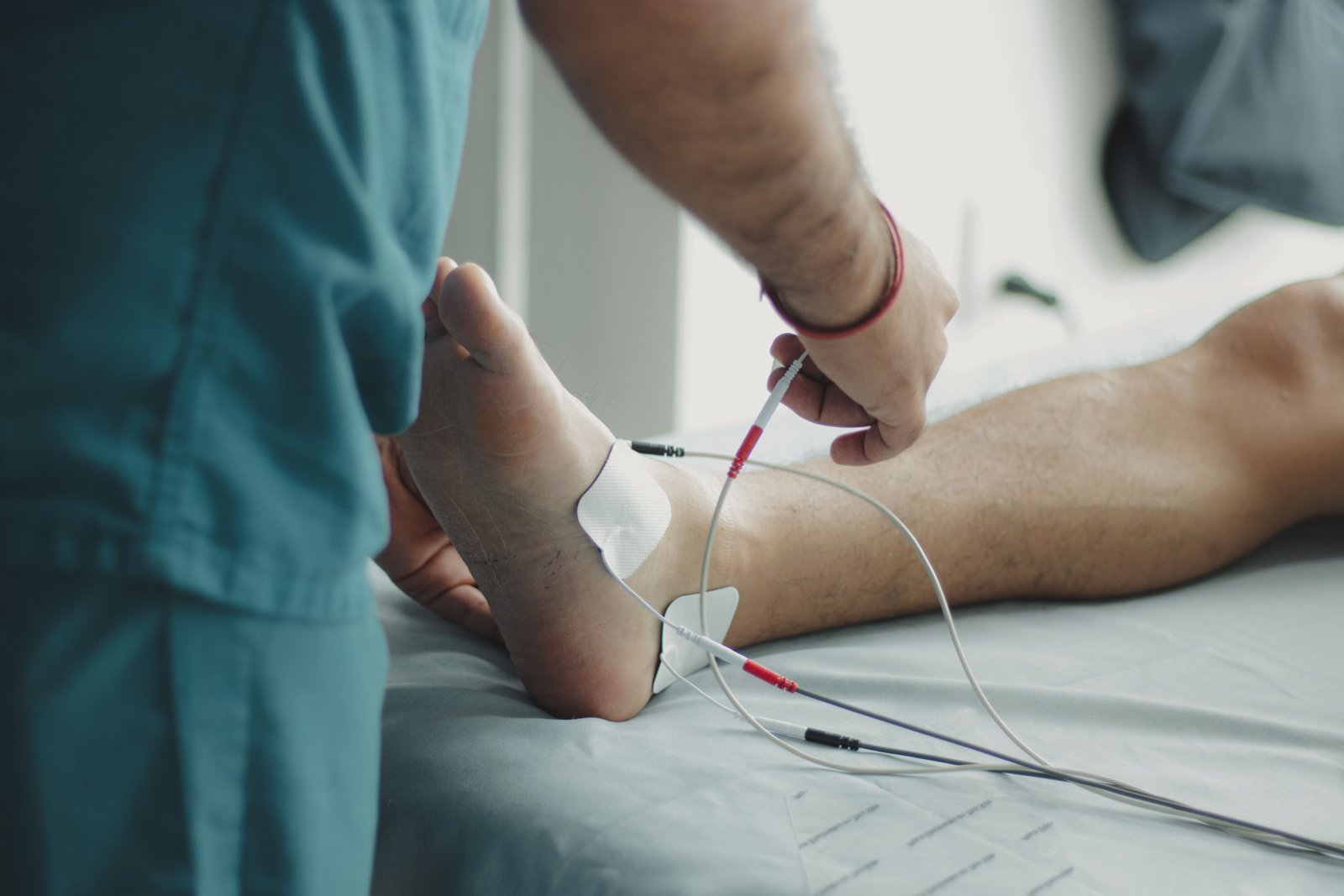
Once properly diagnosed and the acute healing phase medically managed, guided rehab supports the return to running that follows. At Impact Sports Rehabilitation, a Rehabilitation Consultation supports this recovery once you’ve been medically cleared to begin loading again, addressing training load, footwear, and any biomechanical factors that may have contributed. Rocktape taping and sports massage can be used as supportive tools during this later rehab phase, once your fracture has been properly diagnosed and treated. If your pain is actually along the shin rather than the outer fibula, our shin pain treatment article covers that related but distinct pattern, and if you’re dealing with ankle-specific bone pain instead, stress fracture ankle covers that particular presentation.
Returning To Running Safely
A safe return genuinely depends on confirmed bone healing before meaningful loading resumes, this isn’t a phase to judge purely by how the leg subjectively feels. Once cleared, a structured, gradually progressive return, increasing volume and intensity incrementally over a period of weeks rather than jumping back to your previous training level, gives the fibula the best chance of tolerating load without a recurrence.
Addressing whatever contributed to the original fracture, whether that was a training load spike, worn footwear, or a biomechanical factor identified during assessment, as part of this return genuinely reduces the risk of the same pattern causing another stress fracture down the line. Cross-training on lower-impact activities during the earlier phases of recovery, once cleared by your medical team, can help maintain some fitness without loading the healing bone the way running would.
If you’re dealing with persistent outer lower leg pain that’s building up gradually, Impact Sports Rehabilitation works with runners across Eccles, Salford, Trafford, and the wider Greater Manchester area, supporting recovery once a proper diagnosis has been made. Ask about an online consultation if you’re further afield.
Frequently Asked Questions
How is a fibula stress fracture actually different from shin splints?
Shin splints affect the inner edge of the tibia with more diffuse pain along a stretch of bone, while a fibula stress fracture is specifically located along the outer lower leg bone with pain typically more precisely localised. They’re genuinely distinct injuries, though proper assessment is the reliable way to tell them apart.
Could this actually just be a bad ankle sprain instead?
Ankle sprains have a sudden onset from a specific twisting movement with swelling around the joint, while a fibula stress fracture develops gradually with activity-related pain higher up the leg. The patterns genuinely differ, though a proper assessment gives a more reliable answer than comparing symptoms alone.
Is it really risky to keep running through mild fibula pain?
Yes, genuinely, continuing to load a suspected stress fracture risks it progressing to a complete fracture, a considerably more serious injury with a longer recovery. This is exactly the kind of injury where pushing through mild discomfort carries real risk.
Will an X-ray definitely catch a fibula stress fracture straight away?
Not always, particularly early on, stress fractures can be difficult to see on a standard X-ray in the first couple of weeks. Further imaging is sometimes needed if symptoms persist despite an initially clear X-ray, which is why ongoing clinical assessment genuinely matters.
What increases my risk of getting a fibula stress fracture specifically?
A rapid increase in training volume or intensity is the most common contributing factor, alongside footwear, running surface changes, and individual biomechanical factors affecting how load moves through your lower leg. In our experience, identifying which of these applied to you is genuinely useful for preventing a recurrence.
This article is provided for general educational purposes by Impact Sports Rehabilitation and does not constitute medical advice, diagnosis, or treatment. A suspected fibula stress fracture requires proper medical imaging to confirm, since continuing to train on one risks progression to a complete fracture. Always seek the guidance of a doctor or other qualified health provider with any questions about your specific injury.