Quick answer: Acupuncture vs dry needling isn’t a contest with one universal winner, both use fine needles but come from different traditions and target different things, acupuncture works from traditional Chinese medicine principles while dry needling targets specific muscular trigger points using a Western musculoskeletal model. Which one suits you genuinely depends on your condition and what you’re hoping to address, always alongside a proper clinical assessment.
You’ve probably noticed both acupuncture and dry needling get recommended for similar-sounding complaints, and wondered whether they’re actually the same thing with two different names, or genuinely different treatments entirely. Here’s an honest, practitioner’s-eye comparison of acupuncture vs dry needling, without pushing one over the other.
Where Acupuncture And Dry Needling Actually Come From
Acupuncture’s theoretical roots sit in traditional Chinese medicine, built around the concept of qi, a vital energy thought to flow through the body along pathways called meridians, with acupuncture points along these meridians used to influence that flow and support the body’s balance more broadly. Traditional acupuncture training reflects this depth, typically involving several years of study covering not just point location but broader Chinese medical theory and diagnostic principles.
Dry needling, by contrast, developed from a Western musculoskeletal and neurophysiological model, focused specifically on identifying and treating trigger points, small, hyperirritable, tender knots that can form within skeletal muscle and surrounding fascia. Its theoretical basis sits in anatomy and how muscle tissue responds to needle stimulation, rather than energy pathways, and training for dry needling practitioners tends to focus more narrowly on musculoskeletal anatomy and trigger point identification specifically. Neither origin makes one approach inherently more legitimate than the other, they’re simply built on different theoretical foundations that shape how each is actually practised.
It’s worth being honest that these origins have real practical implications too, not just theoretical ones. Because acupuncture training covers such a broad scope, point location, diagnostics, and traditional theory alongside extensive supervised clinical hours, a fully trained acupuncturist typically brings years of dedicated study to their practice. Dry needling practitioners, by contrast, are very often physiotherapists or sports therapists who’ve completed additional, more focused training specifically in trigger point needling on top of their broader clinical qualification, meaning the surrounding assessment and treatment context they bring to a session tends to be genuinely different too, not just the needling technique itself.
How The Techniques Differ In Practice
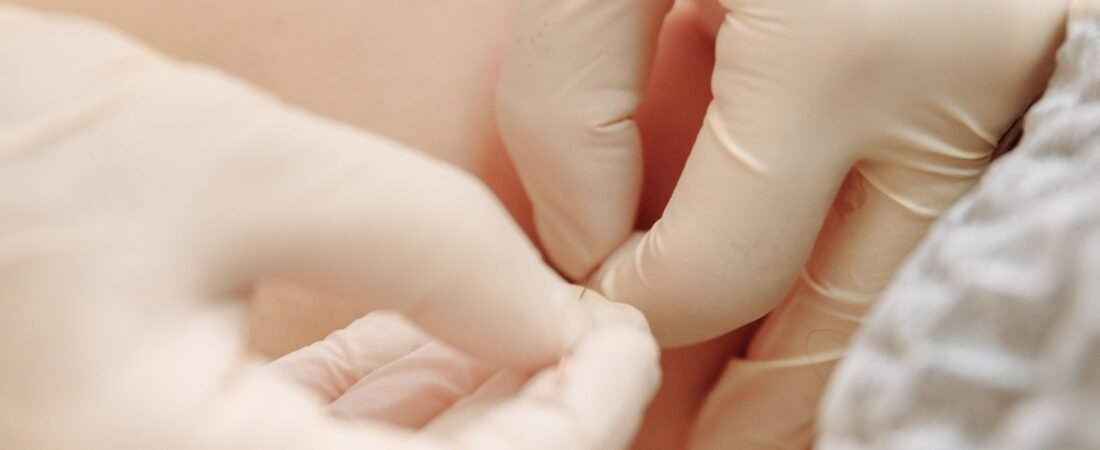
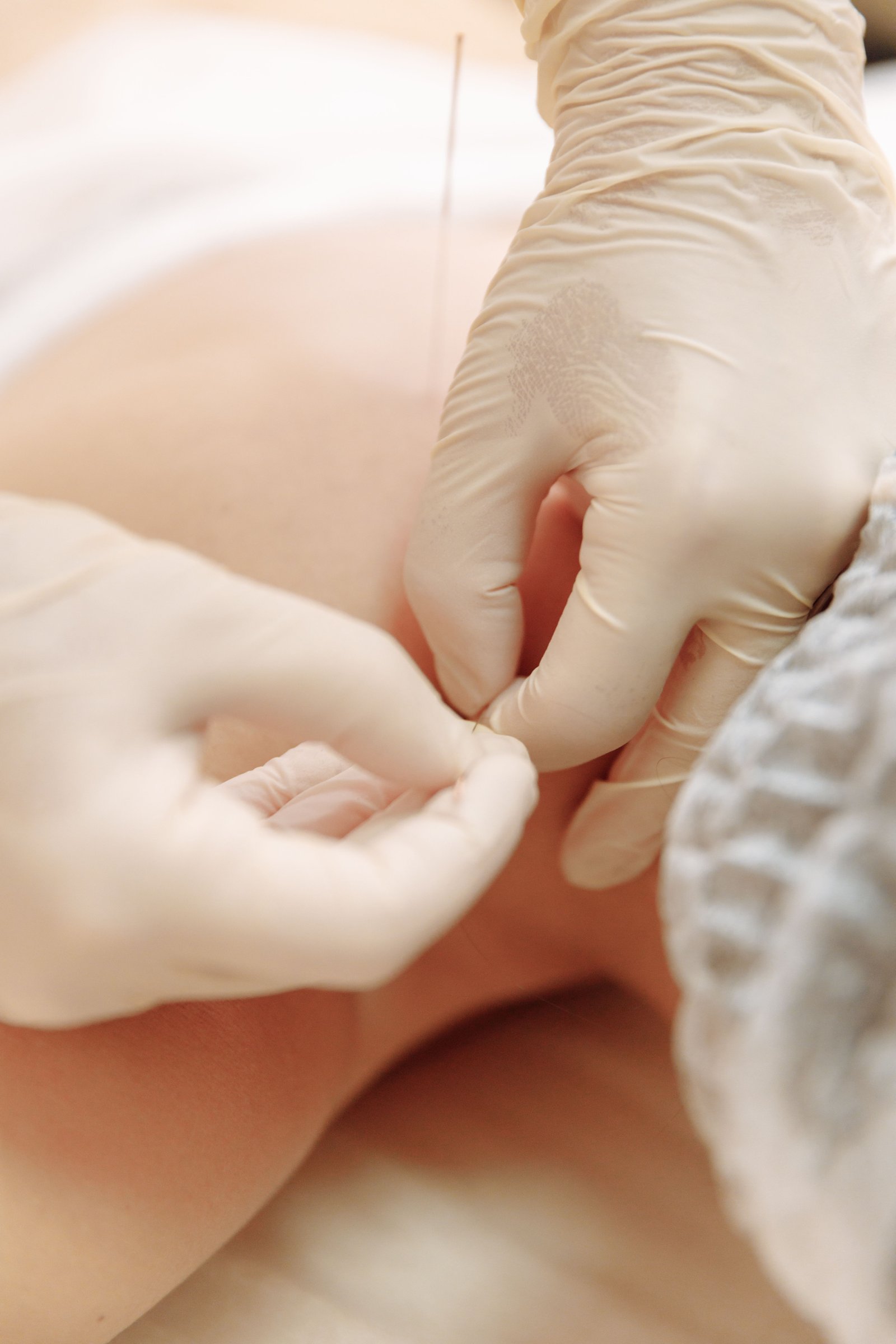
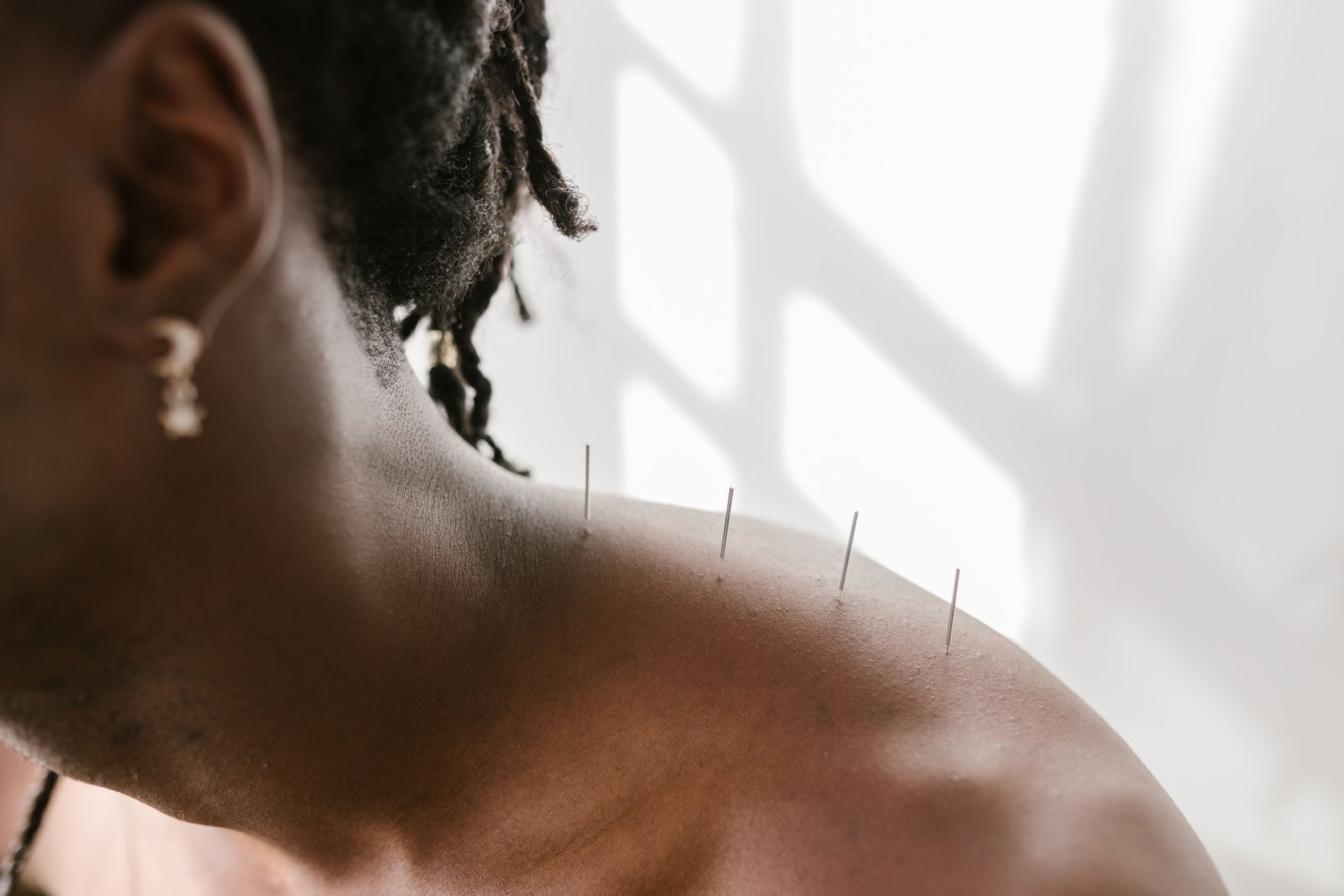
In a typical acupuncture session, multiple needles are often used at once, placed at specific points along the relevant meridians, and generally left in place for a meaningful duration, often fifteen to thirty minutes, while you rest. The approach tends to be comparatively gentle in sensation, aiming for a subtle, often barely noticeable response at each point.
Dry needling typically uses fewer needles focused directly on the identified trigger point itself, with the needle often manipulated more actively, repeated in and out movements directly into the trigger point over a shorter duration, commonly one to two minutes per point, rather than left in place passively. This more direct, active technique is specifically intended to provoke a local muscle twitch response, a brief, involuntary contraction that’s considered part of how the trigger point gets deactivated, and it tends to produce a noticeably more intense, sometimes described as a deep ache or cramping sensation, compared to the gentler feel typical of acupuncture.
Needle count and placement pattern differ meaningfully too, acupuncture treatments often involve needles placed across multiple, sometimes seemingly unrelated points, including areas away from the actual site of pain, reflecting the meridian-based theory behind point selection. Dry needling stays much more localised, concentrated directly on and around the muscle actually identified as problematic during assessment, a difference that can genuinely surprise people expecting one approach and receiving the other for the first time.
What Each Is Typically Used For
Acupuncture tends to be used across a genuinely broad range of complaints, pain conditions like sciatica and back pain, but also things like stress, sleep difficulty, and general wellness support, reflecting its more holistic traditional framework. Dry needling is applied more specifically to identified muscular trigger points contributing to localised pain and restricted movement, commonly used alongside other physical therapy or sports rehab treatment for a specific muscular issue, a tight, overactive muscle group contributing to shoulder or back pain, for example. It tends to be particularly popular among athletes and active people dealing with a specific, identifiable muscular knot limiting their training, since the targeted approach fits neatly alongside a broader strengthening and rehab programme addressing the same muscle group.
There’s genuine overlap in practice too, both are commonly used for musculoskeletal pain, and a practitioner trained in both approaches, or working within a sports rehab setting more broadly, might reasonably draw on elements of either depending on what they find during assessment, rather than the two techniques operating in entirely separate, walled-off worlds. Someone dealing with sciatica specifically, for example, might find acupuncture for sciatica genuinely relevant given its broader, nerve-and-pain-focused traditional use, while someone with a clearly localised muscular knot contributing to a completely different complaint might be a better fit for dry needling’s more targeted approach.
So Which One Actually Works Better?
This is genuinely the part most comparison articles dodge, listing the differences and then quietly avoiding the actual question the title promises to answer. Here’s the honest answer, directly, neither is universally superior, and claiming otherwise would be misleading. The research comparing the two head-to-head is genuinely limited, and what does exist tends to suggest broadly comparable outcomes for many musculoskeletal pain complaints, rather than one technique consistently outperforming the other.
What actually matters more is fit, dry needling’s targeted, muscle-specific approach tends to suit a clearly identified, localised trigger point issue particularly well, while acupuncture’s broader, systemic approach may suit someone dealing with more diffuse pain, or looking for support with sleep, stress, or general wellness alongside a physical complaint. Someone with a very specific, well-defined muscular knot contributing to their pain might genuinely respond well to either, and the honest answer for that person is that trying either, guided by a practitioner who can properly assess what’s going on, matters more than picking based on theoretical superiority claims found online.
What Matters More Than The Technique Itself
Practitioner skill and an accurate underlying diagnosis genuinely matter more to your actual outcome than which specific technique gets used. A skilled practitioner correctly identifying what’s actually driving your pain, and needling the right structures with good technique, whichever tradition that needling comes from, will generally outperform an unskilled application of either method aimed at the wrong target. This is honestly the single most important, and most commonly overlooked, factor in how well either treatment actually works for you.
Communication during the session matters too, in a genuinely useful sense that’s easy to overlook when comparing techniques on paper. A good practitioner, regardless of which approach they’re using, checks in about your response during and after treatment, adjusts based on what they’re finding, and explains what they’re doing and why, rather than applying a fixed routine regardless of your individual presentation or feedback. This kind of responsive, communicative practice tends to matter more for your actual outcome than the underlying theoretical tradition the needling technique originally came from.
How Impact Sports Rehabilitation Decides Which To Use
Rather than defaulting to one technique regardless of presentation, a proper assessment genuinely determines which approach, or combination, fits your specific situation. At Impact Sports Rehabilitation, acupuncture is offered as part of a broader assessment process, with the decision of which needling approach, or whether needling is even the right tool at all, based on what’s actually found during your assessment rather than a one-size-fits-all default. That assessment also naturally identifies where needling fits alongside other supportive treatment, whether that’s guided exercise, sports massage, or another approach entirely, so you’re never relying on a single technique in isolation from the bigger picture of what’s actually driving your symptoms.
If you’re weighing up acupuncture vs dry needling and want genuine guidance on which suits your specific situation, Impact Sports Rehabilitation works with clients across Eccles, Salford, Trafford, and the wider Greater Manchester area on exactly this. Ask about an online consultation if you’re further afield.
Frequently Asked Questions
Is dry needling basically just a modern rebrand of acupuncture?
Not quite, though they share the use of fine needles, dry needling developed from a distinct Western musculoskeletal model targeting trigger points, rather than being simply a renamed version of traditional acupuncture’s meridian-based approach. They’re genuinely different traditions that happen to use similar tools.
Which one hurts more, acupuncture or dry needling?
Dry needling is generally described as producing a more noticeable, sometimes achy or cramping sensation, since it specifically aims to provoke a local muscle twitch response, while acupuncture tends to feel gentler. Neither is typically described as significantly painful, but the sensation profile does genuinely differ.
Can I just ask for whichever one I think sounds better?
You can express a preference, and many practitioners will discuss this with you, but the more useful question is which approach actually suits what’s being found during your assessment. A skilled practitioner can help you understand which genuinely fits your specific presentation.
Is one of these more “medically legitimate” than the other?
Both have research supporting their use for various musculoskeletal complaints, and neither is inherently more or less legitimate than the other, they’re simply built on different theoretical models. What matters more for your outcome is practitioner skill and an accurate diagnosis, not which tradition the technique comes from.
Do I need to choose one or could I actually benefit from both?
It’s genuinely possible to benefit from elements of both, particularly in a sports rehab setting where a practitioner trained in multiple approaches can draw on whichever fits what they find. In our experience, staying open to either, guided by a proper assessment, tends to serve people better than committing to one before being assessed.
This article is provided for general educational purposes by Impact Sports Rehabilitation and does not constitute medical advice, diagnosis, or treatment. Neither acupuncture nor dry needling is guaranteed to outperform the other for a given condition, and this article does not recommend one over the other for your specific situation. Always seek the guidance of a doctor or other qualified health provider with any questions about your specific condition.