
Quick answer: Golfers elbow exercises work through a staged progression, starting with gentle isometric holds to calm irritated tendon pain, before building into genuine forearm and wrist flexor strengthening that addresses the root cause. Despite the name, most people with this condition have never played golf, it’s caused by repetitive gripping and wrist-flexing activities like weightlifting, climbing, or manual work. Sudden severe pain, significant swelling, or an inability to use the arm normally should be assessed by a clinician rather than treated with exercise alone.
If you’ve been told you have golfer’s elbow and you’ve never picked up a golf club in your life, you’re genuinely not alone, and it’s a fair thing to be confused about. Let’s clear that up first, then get into the real signs, causes, and a genuine staged exercise plan for golfers elbow exercises that actually addresses what’s going on rather than just naming the condition and leaving you to figure out the rest.
Why It’s Called Golfer’s Elbow (Even Though Most People Don’t Golf)
Here’s the thing most articles don’t bother addressing directly, golfer’s elbow, medial epicondylitis, gets its name from an association with the golf swing, but the actual population of people who get it is overwhelmingly not golfers. It’s caused by repetitive strain on the tendons attaching to the inner elbow, specifically the ones controlling wrist flexion and forearm rotation, and plenty of activities load these tendons far more than an occasional round of golf ever would.
Weightlifting, particularly heavy gripping during deadlifts and rows, climbing, which demands sustained, intense grip strength, and manual trades involving repetitive gripping or wrist-flexing motion, all genuinely load these same tendons repeatedly. Combat sports and BJJ, with constant gripping during grappling exchanges, are another genuinely common source we see regularly. If you’re dealing with inner elbow pain and wondering why you’ve got a “golfer’s” injury despite never golfing, this is exactly why, the name reflects one possible cause among many, not the primary one for most people who actually get it.
It’s worth mentioning too that golfer’s elbow, medial epicondylitis, is often confused with its more famous counterpart, tennis elbow, or lateral epicondylitis, which affects tendons on the outer elbow rather than the inner one. Both share the same basic pattern, tendon overload from repetitive gripping or wrist movement, but they involve different tendons on opposite sides of the elbow, which is genuinely worth clarifying if you’re not entirely sure which one you actually have.
Early-Stage Exercises To Calm Things Down
In the early, more irritable stage, gentle isometric holds, contracting the wrist flexor muscles without actually moving the joint, tend to be genuinely well tolerated and can help reduce pain even in this more sensitive phase. A simple isometric wrist flexion hold, gently pressing your palm against a table or a partner’s hand without moving your wrist, held for a comfortable duration, is a good starting point.
Gentle, pain-free wrist and forearm mobility work, moving through a comfortable range without forcing anything, helps maintain movement without aggravating the irritated tendon. Light stretching, if it’s genuinely comfortable rather than pushing into pain, can also be introduced cautiously at this stage, though it should never be forced through resistance or discomfort while things are still irritable.
Managing symptoms alongside this early exercise work matters too. Reducing, rather than fully stopping, activities that clearly aggravate the tendon, and applying ice for genuine discomfort in the first few days, can help keep things calm enough for this early gentle work to actually be tolerated. The goal in this phase isn’t building strength yet, it’s calming irritability enough that the strengthening work that follows can actually be done consistently without repeatedly flaring things back up.
Strengthening Exercises To Fix The Root Cause
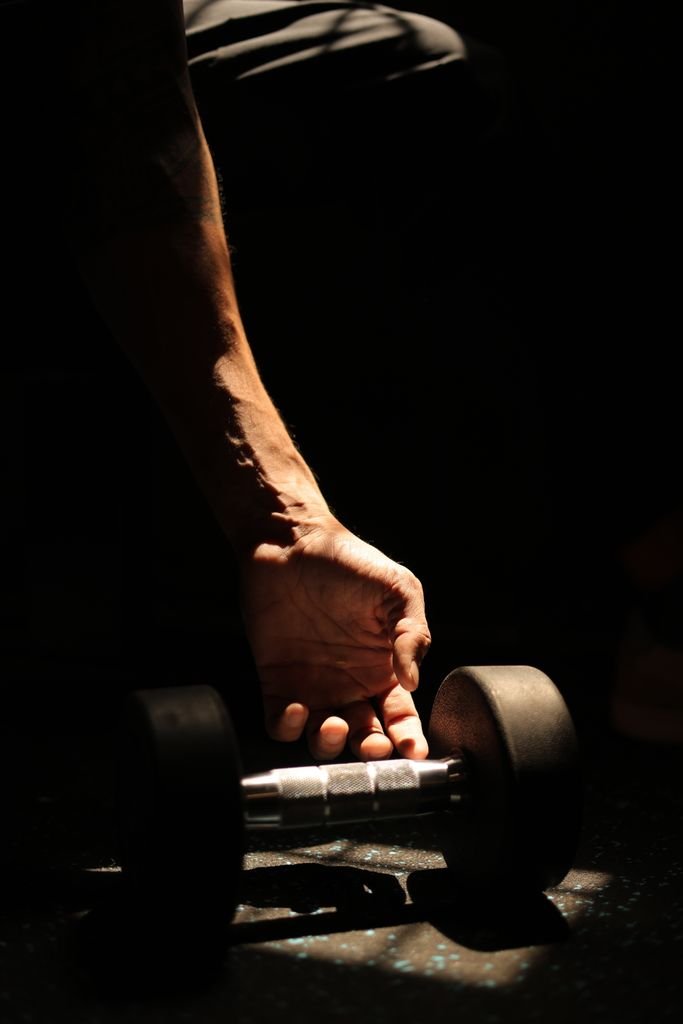
Once the acute irritability has settled, progressive strengthening is genuinely where the real recovery happens, since golfer’s elbow fundamentally reflects a tendon that hasn’t been able to handle its current load, and building its capacity is what actually fixes that. Wrist flexor curls, using a light weight and slowly curling your wrist through its range, are a foundational exercise here, progressing in resistance as tolerance improves.
Eccentric-focused work, emphasising the slow, controlled lowering phase of wrist flexion exercises, tends to be particularly useful for tendon-related pain like this, since research on tendon rehabilitation generally supports eccentric loading as genuinely effective for this kind of overuse injury. Forearm pronation and supination exercises, rotating your forearm against light resistance, also help build capacity in the broader muscle group supporting the affected tendons, rather than isolating wrist flexion alone. Progression should be gradual and genuinely guided by how the tendon responds, not a fixed timeline, since pushing too hard too soon is a common way people set their own recovery back.
Grip strengthening itself, using a stress ball or grip trainer through a comfortable, controlled range, can also be added once the wrist flexor work is being tolerated well, since grip strength and wrist flexor strength are closely related and both genuinely contribute to protecting the affected tendon during real-world gripping tasks. Consistency across sessions tends to matter more than intensity in any single session, doing the exercises regularly at a tolerable level genuinely builds capacity more reliably than occasional, more intense sessions that risk flaring the tendon back up.
Exercises To Avoid Until You’re Ready
Most golfers elbow exercise lists don’t address this clearly enough, so here it is directly. Heavy, uncontrolled gripping exercises, maximal grip strength work or heavy deadlifts and pull-ups without appropriate support, should genuinely be avoided until the tendon has rebuilt real capacity, since these load exactly the structures that are already overloaded. Plyometric or explosive gripping movements, anything involving sudden, forceful grip demands, are similarly worth holding off on until you’re well into the strengthening phase.
Aggressive stretching into genuine pain, rather than gentle, comfortable range-of-motion work, tends to aggravate an irritated tendon rather than help it, despite feeling like it should logically loosen things up. Returning to your full previous training volume all at once, rather than a graded reintroduction, is another common way people re-aggravate golfer’s elbow just as it was genuinely starting to improve.
How A Guided Program From Sports Rehab Helps
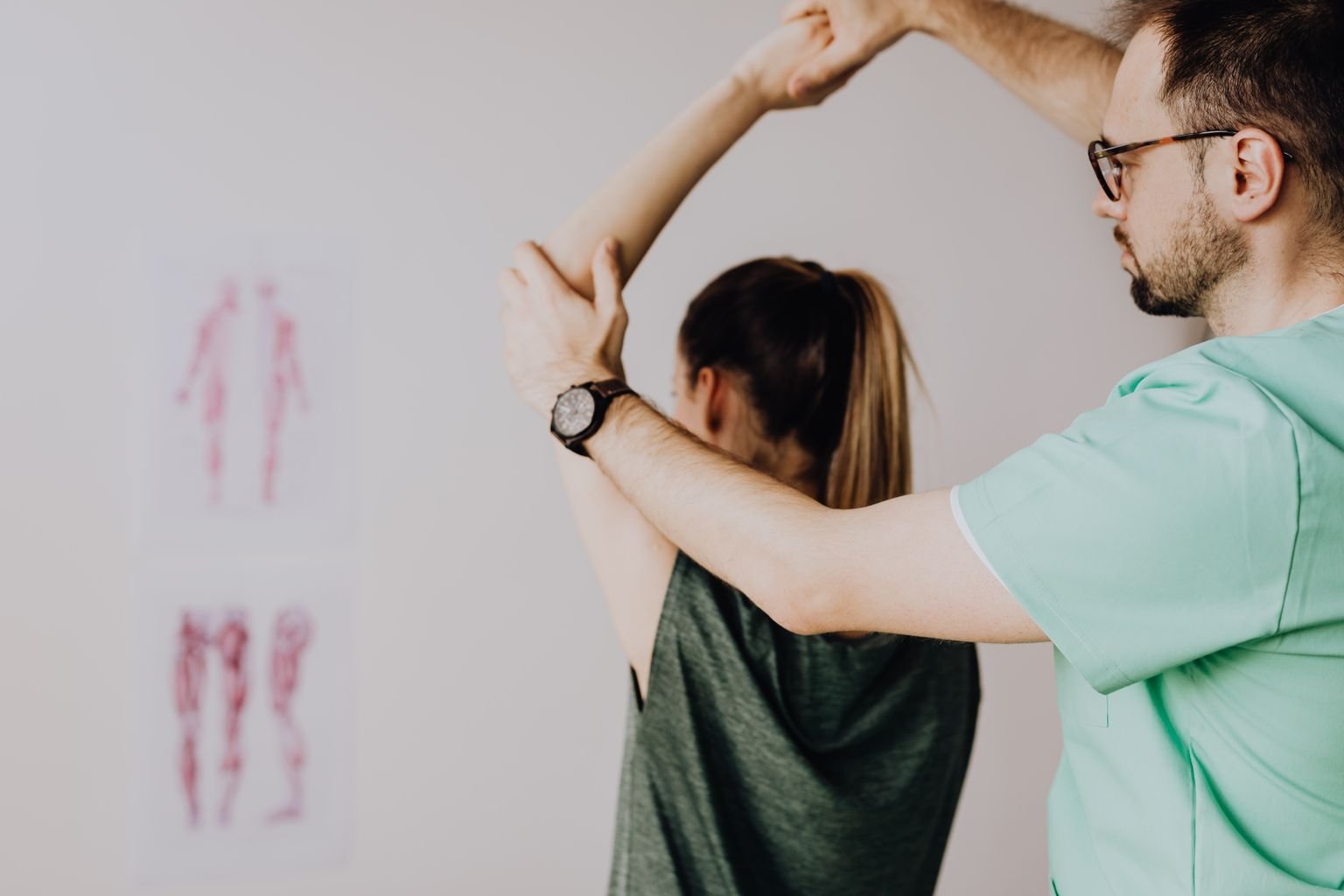
Working out exactly where you are in this progression, and how quickly to advance, is genuinely easier with proper guidance than trying to judge it entirely on your own. At Impact Sports Rehabilitation, a Rehabilitation Consultation assesses your specific presentation and builds a staged exercise programme personalised to your actual tendon irritability and strength deficits, rather than a generic exercise list applied the same way to everyone.
Rocktape taping and sports massage can be used as supportive tools alongside this staged exercise programme, many clients find taping genuinely useful for extra support and confidence as loading increases, and massage can help with the compensatory tightness that builds up through the forearm and upper arm as you favour the affected side. Both work as support for the actual strengthening progression, not a substitute for it.
Getting Back To Training Pain-Free
Getting back to gripping-heavy training or activity, whether that’s weightlifting, climbing, or your sport of choice, genuinely needs a graded approach rather than jumping straight back to your previous volume once the pain has settled. Reintroducing grip-demanding activities gradually, building volume and intensity over successive sessions while paying attention to how the tendon responds afterward, not just during, tends to get people back more reliably than rushing.
A tendon that feels fine during a session but flares up hours later or the next day is telling you the current load is still slightly beyond what it can currently handle, and it’s genuinely worth listening to that rather than pushing the same volume again immediately. Building grip and forearm strength as an ongoing part of your training, rather than dropping it once symptoms resolve, also genuinely helps reduce the odds of golfer’s elbow recurring down the line, particularly for anyone whose sport or work involves genuinely ongoing gripping demand rather than a one-off period of overload.
If golfer’s elbow is limiting your grip and you want a genuine, staged exercise programme built around your specific presentation, Impact Sports Rehabilitation works with everyday athletes, gym-goers, and combat-sports and BJJ practitioners across Eccles, Salford, Trafford, and the wider Greater Manchester area on exactly this. Ask about an online consultation if you’re further afield.
Frequently Asked Questions
Do I actually need to have played golf to get golfer’s elbow?
No, genuinely not, most people with golfer’s elbow have never golfed, it’s caused by repetitive gripping and wrist-flexing activities like weightlifting, climbing, or manual work far more often than golf itself. The name reflects one possible cause, not the typical one.
Is it okay to keep training through mild golfer’s elbow pain?
It depends heavily on what “mild” actually means for your specific tendon, and that’s genuinely hard to judge accurately on your own without a proper assessment. Many people find getting assessed first, rather than guessing, helps avoid turning a manageable issue into a longer setback.
How do I know if I should start with isometrics or jump straight to strengthening?
This genuinely depends on how irritable your tendon currently is, which is exactly the kind of judgement call a proper assessment helps with rather than guessing from a generic exercise list. Starting too aggressively when things are still irritable is a common way people slow their own progress down.
Will exercises alone fix golfer’s elbow or do I need other treatment too?
Structured exercise is genuinely the core of recovery for most cases, and many people find it works well on its own, though supportive treatments like taping or massage can help alongside it for some people. If sudden severe pain, significant swelling, or an inability to use the arm normally is present, that needs proper clinical assessment rather than exercise alone.
How long until I can grip heavy again without pain?
This genuinely varies depending on how irritated the tendon was and how consistently you progress through the staged exercises, so we wouldn’t want to give a fixed timeframe without seeing how you’re responding. In our experience, a properly staged, consistent approach tends to get people back to heavy gripping more reliably than rushing the process.
This article is provided for general educational purposes by Impact Sports Rehabilitation and does not constitute medical advice, diagnosis, or treatment. Golfer’s elbow is usually manageable with a structured exercise approach, but sudden severe pain, significant swelling, or an inability to use the arm normally should be assessed by a qualified clinician rather than treated with exercise alone. Always seek the guidance of a doctor or other qualified health provider with any questions about your specific injury.