

Quick answer: Tailbone pain from everyday causes like prolonged sitting, cycling, or a minor bump usually responds well to posture adjustments, a supportive cushion, and gentle daily habit changes over a few weeks. Many people find sitting position and seat setup make a bigger difference than they expected. Pain that’s persistent, worsening, or follows a significant fall or impact should be assessed by a clinician rather than managed with self-care alone.
Tailbone pain has a way of making the most ordinary parts of your day, sitting at a desk, driving, even just perching on a hard chair, genuinely uncomfortable. It’s rarely dangerous, but that doesn’t make it any less irritating when every meeting or car journey turns into an exercise in shifting your weight around. Here’s what’s usually behind it and what actually helps day to day.
What’s Actually Causing Your Tailbone Pain
Most everyday tailbone pain, medically known as coccydynia, isn’t the result of a dramatic injury at all. Prolonged sitting on hard or poorly supported surfaces, particularly if your posture tends to tip you backward onto the tailbone rather than your sitting bones, is one of the most common everyday causes, and it builds up gradually rather than appearing overnight.
Cycling is another frequent contributor, since a saddle that’s the wrong shape, height, or angle can put repeated direct pressure right on the coccyx over long rides. Pregnancy-related changes to the pelvis and ligaments can also make the tailbone more sensitive for some people, and a minor bump, sitting down harder than intended on a step or a hard surface, can leave it tender for a while without anything being seriously wrong.
This article focuses on exactly these kinds of general, non-traumatic causes and the everyday relief that helps with them. If your tailbone pain followed a clear fall, a sports collision, or another significant impact, our companion article on tailbone injury covers that more traumatic picture in proper depth, including how to tell a bruise from a possible fracture.
Practical Relief That Actually Helps Day To Day
A cushion designed specifically for tailbone relief, typically wedge-shaped or with a cut-out section that takes pressure directly off the coccyx, is one of the most immediately useful changes for anyone sitting for long periods. Many people notice a genuine difference within days of switching to one, rather than needing to wait weeks for it to help.
Alternating between sitting and standing through the day, rather than staying seated for hours at a stretch, gives the area regular breaks from sustained pressure. Warm baths or a warm compress can ease general soreness and muscle tension around the area, while a short spell of ice in the first day or two after a minor bump helps limit swelling.
Leaning slightly forward while seated, rather than sitting bolt upright or slouched back, shifts weight onto your sitting bones rather than the tailbone itself, and it’s a small adjustment that many people find makes a noticeably bigger difference than expected once they get used to it.

Sitting, Cycling And Posture: Small Changes That Make A Big Difference
Most tailbone pain articles mention “avoid sitting too long” and leave it there, but the specific adjustments matter far more than the general advice. At a desk, checking that your chair height lets your knees sit level with or slightly below your hips, rather than higher, reduces the backward pelvic tilt that tends to load the tailbone directly.
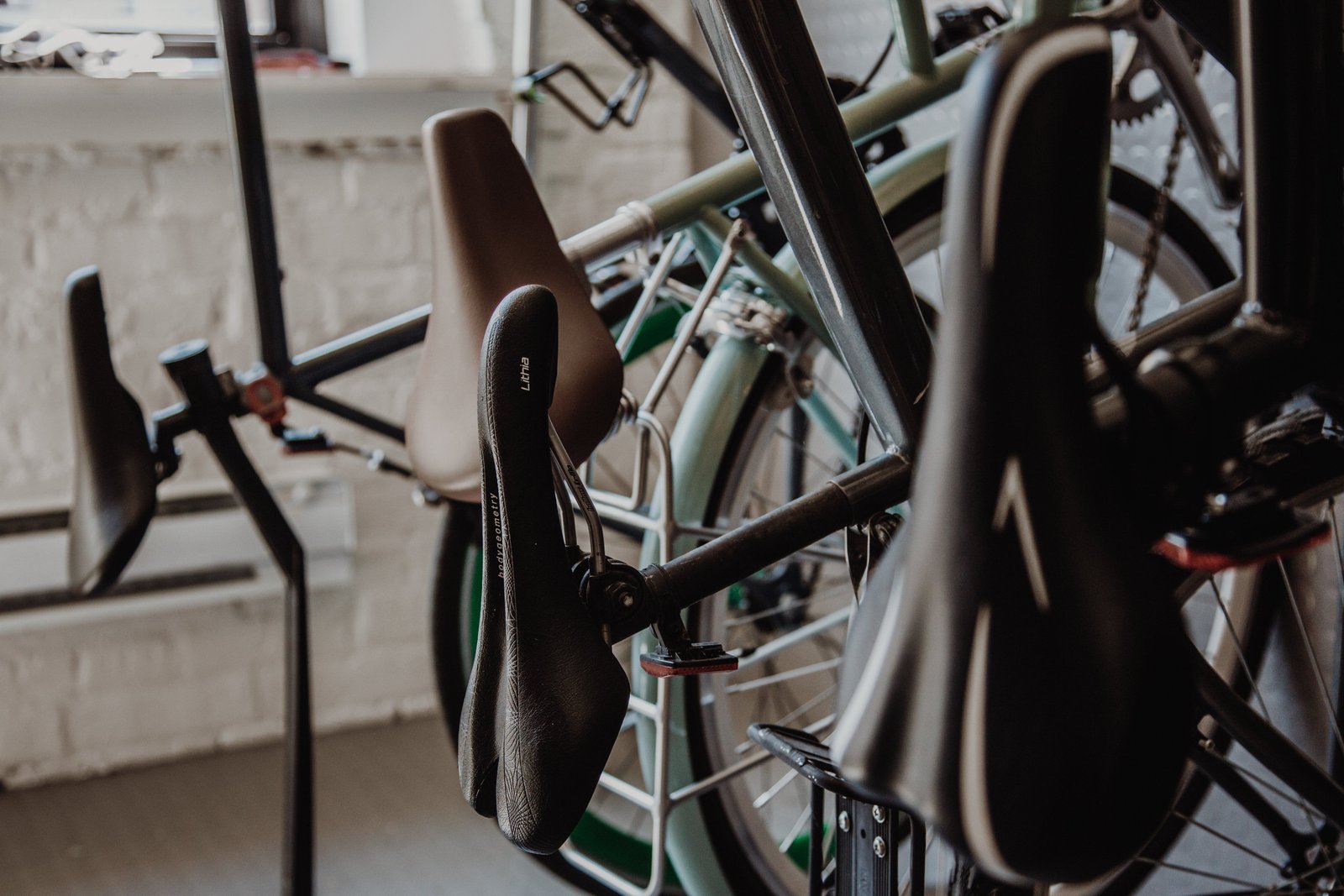
For cycling specifically, saddle height and angle genuinely matter here. A saddle that’s tilted slightly nose-down, or set at the wrong height, forces more of your body weight directly onto the coccyx rather than distributing it across your sitting bones. Many cyclists find that a saddle with a cut-out channel, or simply having a bike fit reassessed, resolves tailbone discomfort that padding and cushions alone never quite fixed.
In the car, a small lumbar or wedge cushion behind your lower back encourages the same forward pelvic position that helps at a desk, and it’s worth doing on longer journeys specifically, rather than only at home. These aren’t dramatic changes individually, but stacked together they often account for most of the improvement people notice.
When Tailbone Pain Needs A Proper Assessment
Most everyday tailbone pain settles with the changes above given a bit of time and consistency. Persistent pain that isn’t improving after a few weeks of genuine effort, or pain that’s gradually getting worse rather than better, is worth having properly assessed rather than continuing to self-manage indefinitely.
Pain following a fall or a harder-than-usual impact deserves particular attention, since it’s worth ruling out a fracture rather than assuming it’s the same kind of everyday tailbone pain covered in this article. Our companion piece on tailbone injury goes into that specific scenario, including the warning signs that mean urgent attention is needed.
How Sports Rehab Supports Longer-Term Relief
For tailbone pain that’s more stubborn than posture changes alone can fix, sports massage can help address surrounding muscle tension that often builds up around a genuinely uncomfortable tailbone, particularly through the lower back and glutes as people unconsciously alter how they sit and move to avoid pain. A Sports Massage session at Impact Sports Rehabilitation targets exactly this kind of compensatory tightness.
Some clients also find cupping therapy genuinely helpful for easing chronic muscular tension in the surrounding area once anything more serious has been ruled out. Many people notice that combining these supportive treatments with the practical daily changes above resolves pain that either approach alone hadn’t fully addressed.
Preventing Tailbone Pain From Coming Back
Once things settle, keeping a proper cushion in regular rotation for long sitting periods, rather than only reaching for it once pain flares up again, helps prevent the same pattern repeating. Revisiting your cycling setup periodically, particularly if you’ve changed bikes or saddles, is a simple habit that catches problems before they become painful again.
Building in regular movement breaks through the working day, standing and walking for even a couple of minutes every hour, keeps sustained pressure from building up on the tailbone in the first place. Many people find that once they’ve identified their specific triggers, whether that’s a particular chair, a long commute, or a saddle that never quite fit right, staying ahead of them prevents the pain returning in any meaningful way.
If everyday tailbone pain is still hanging around despite the changes above, Impact Sports Rehabilitation works with clients across Eccles, Salford, Trafford, and the wider Greater Manchester area on getting to the bottom of it properly. Ask about an online consultation if you’re further afield.
Frequently Asked Questions
Is it normal for tailbone pain to just come on gradually with no injury at all?
Yes, this is actually one of the most common patterns, especially in people who sit for long periods at work or spend a lot of time cycling or driving. Many people find it’s easy to overlook how much repeated, everyday pressure adds up, since there’s no single moment they can point to as the cause.
Will sitting on a cushion forever fix the underlying problem?
A good cushion helps manage symptoms while the area settles, but it works best alongside the posture and setup changes covered above, rather than as a permanent stand-alone fix. Most people find they need the cushion less over time as the underlying triggers, like chair height or cycling posture, get properly addressed.
I’ve had tailbone pain for a few months now, should I still be worried it’s nothing serious?
Pain that’s dragged on for months without improving is worth a proper assessment rather than continuing to self-manage, even if it started from an everyday cause like sitting or cycling. In our experience, persistent pain like this often responds well once the actual contributing factors are identified and addressed directly, rather than continuing to guess.
Could this actually be something else, like a disc problem, rather than my tailbone?
It’s possible, since pain in this general area can sometimes be referred from elsewhere in the lower back or pelvis rather than genuinely originating at the coccyx itself. If the pain doesn’t fit the typical pattern of worsening with direct sitting pressure, it’s worth having properly assessed to identify the actual source.
Is it safe to keep cycling if my tailbone hurts, or should I stop completely?
For mild, everyday tailbone discomfort, adjusting your saddle position and taking a short break from longer rides while things settle is often more realistic than stopping entirely. Impact Sports Rehabilitation can help assess whether your setup is part of the problem if adjusting the saddle yourself hasn’t made a difference.
This article is provided for general educational purposes by Impact Sports Rehabilitation and does not constitute medical advice, diagnosis, or treatment. Anyone with persistent or worsening tailbone pain, or pain following a significant fall or impact, should be assessed by a qualified medical professional rather than relying on self-care alone; nothing in this article should be used to self-diagnose. Always seek the guidance of a doctor or other qualified health provider with any questions about your specific condition.