

Quick answer: A wrist sprain is an injury to one of the ligaments supporting the wrist joint, usually caused by falling onto an outstretched hand or twisting the wrist during sport, and it ranges from a mild stretch to a complete ligament tear. Most wrist sprains genuinely do settle well with the right grade-appropriate treatment, but a small but significant proportion of wrist injuries that feel exactly like a sprain are actually a fracture, particularly of the scaphoid bone, which is why persistent or severe symptoms deserve a proper assessment rather than being assumed to be a simple sprain.
Falling onto an outstretched hand or twisting your wrist awkwardly during sport is one of the most common ways to end up with wrist pain, and the honest answer to “how bad is this” genuinely depends on exactly what’s been injured and how severely. Most of the time this is a straightforward wrist sprain that responds well to the right treatment, but it’s worth knowing what actually distinguishes a mild sprain from something that needs an X-ray, since not every wrist injury that feels like a sprain actually is one.
What A Wrist Sprain Actually Is
Your wrist is held together by a network of ligaments connecting the many small bones of the wrist and forearm, allowing the impressive range of motion your wrist has while still keeping everything stable. A sprain happens when one or more of these ligaments is stretched beyond its normal range, usually from a fall onto an outstretched hand or a sudden, forceful twist, causing the fibres to stretch, partially tear, or in more severe cases, tear completely.
This is different from a fracture, a broken bone, even though the two can feel remarkably similar in the first few days, both cause pain, swelling, and difficulty using the wrist normally. The distinction matters enormously for treatment, which is exactly why working out which one you’re actually dealing with is worth taking seriously rather than assuming from the mechanism of injury alone.
A wrist sprain can involve any of several ligaments depending on exactly how the wrist was forced, and different ligaments doing different stabilising jobs means the specific pattern of pain and instability can vary somewhat between people even when the overall injury is broadly similar. This is part of why a proper assessment, rather than a generic “sprained wrist” label, genuinely helps guide the right rehab approach for your specific injury.
Grading The Injury, Mild To Severe
A grade one wrist sprain involves the ligament fibres being stretched without an actual tear, typically causing tenderness and mild swelling while the joint itself still feels reasonably stable. This is the mildest end of the spectrum and usually the quickest to settle.
A grade two sprain involves a genuine partial tear of the ligament, bringing more noticeable pain, bruising, tenderness, and swelling, often making it genuinely difficult to use the wrist normally without discomfort. A grade three sprain is the most severe, a complete tear or a ligament pulled away from its bone attachment entirely, causing significant pain, swelling, and bruising, with real difficulty moving the wrist at all. Grade one sprains often settle within a couple of weeks, grade two can take several weeks longer, and a grade three sprain, being a genuinely serious ligament injury, can take considerably longer and sometimes needs surgical repair.
It’s worth noting that swelling and bruising alone aren’t always a reliable guide to grade, some genuinely severe sprains swell less dramatically than expected, particularly if the injury is deeper within the joint rather than closer to the skin. This is another reason a proper hands-on assessment, checking joint stability directly rather than relying on how dramatic the swelling looks, gives a much more accurate picture of severity than visual appearance alone.

Why Wrist Injuries Are Easy To Mistake For Just A Sprain
This is something most wrist sprain content doesn’t mention, and it’s genuinely important. Not every wrist injury that feels like a sprain actually is one, some wrist fractures present with almost identical symptoms to a sprain, and the scaphoid, one of the small bones on the thumb side of the wrist, is the classic example. A scaphoid fracture can look completely normal on an initial X-ray in a meaningful proportion of cases, and without specific attention paid to tenderness at the base of the thumb, it’s genuinely possible to be sent away with a “sprain” diagnosis when a fracture is actually present.
This isn’t meant to cause alarm about every wrist injury, most genuinely are sprains and settle exactly as expected. But if your pain and swelling aren’t improving the way a sprain typically should, particularly if there’s specific tenderness right at the base of your thumb, it’s worth asking directly whether a scaphoid fracture has been properly ruled out rather than assuming the original sprain diagnosis must be correct.
There are a couple of other, less common wrist injuries worth being aware of too, since they can also masquerade as an ordinary sprain in the first days after a fall. A ligament tear on the little-finger side of the wrist, or a small avulsion fracture where a fragment of bone is pulled off along with the ligament, can both present with a very similar pattern of pain and swelling to a straightforward sprain. None of this means you should assume the worst about every wrist injury, it means persistent or unusually severe symptoms are worth a proper second look rather than being explained away indefinitely.
Treatment By Grade
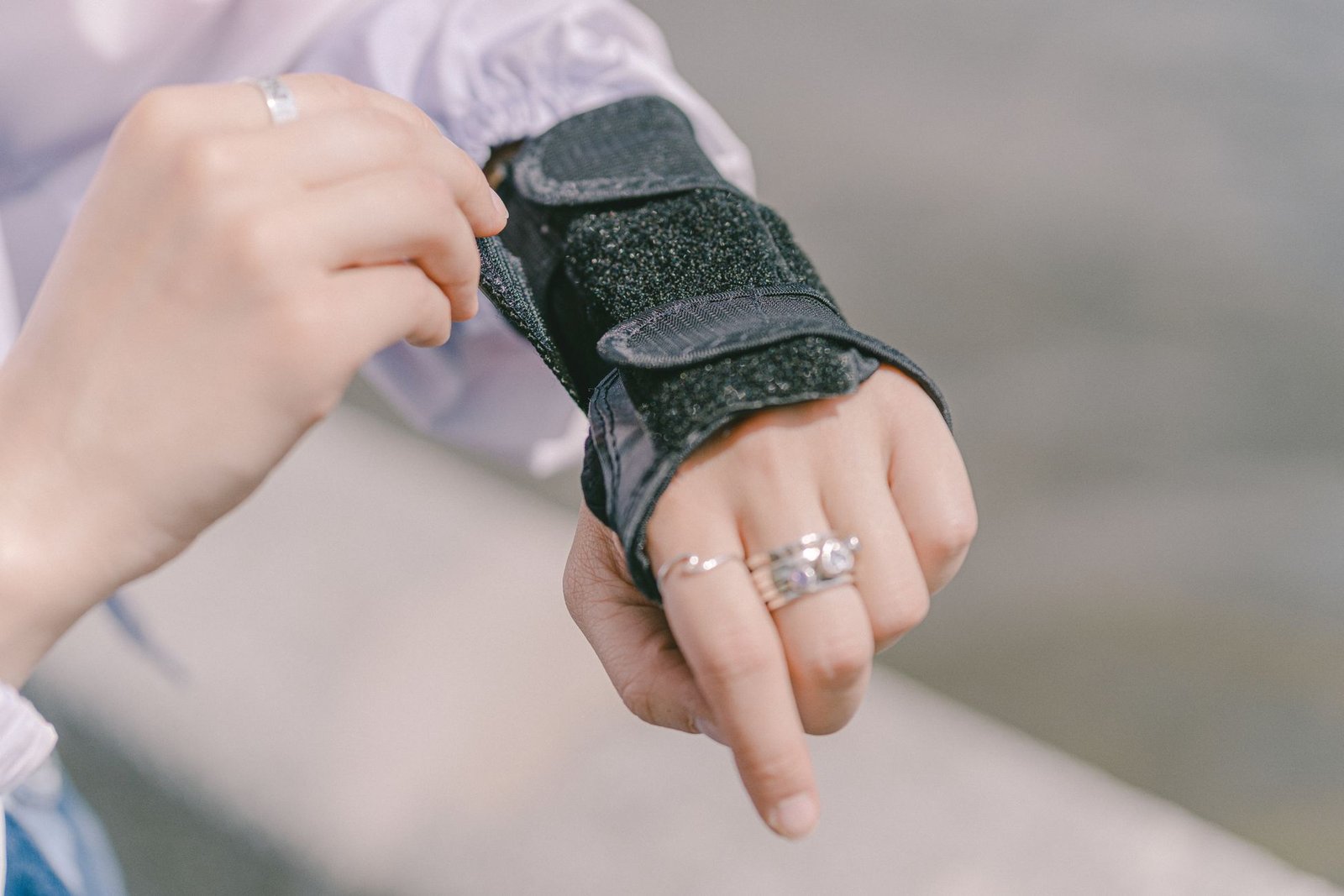
Grade one and many grade two sprains respond well to rest, ice, and appropriate support, often a brace or splint to keep the wrist in a comfortable, neutral position while the ligament heals, alongside guided exercises to restore movement and strength as pain allows. This isn’t simply about waiting it out, appropriately guided movement, started at the right time, genuinely helps rather than pure rest and immobility for the entire recovery period.
More severe grade two and grade three sprains often need a longer period of protection, sometimes with a more structured splint, and grade three sprains in particular sometimes require surgical repair if the ligament has torn away from its attachment or the joint is genuinely unstable. Whatever the grade, treatment should be guided by a proper assessment of your specific injury rather than a generic “rest it and see” approach applied identically to every wrist sprain regardless of severity.
How Sports Rehab Supports Recovery
Once a fracture has been ruled out and your wrist sprain has been properly graded, guided rehab plays a genuinely important role in getting back to full strength and function. At Impact Sports Rehabilitation, a Rehabilitation Consultation builds a plan around your specific grade of sprain, rebuilding grip strength and wrist mobility at the right pace rather than a one-size-fits-all timeline.
Rocktape taping is something many clients find genuinely useful for extra support and confidence as the wrist starts handling load again, and sports massage can help address the compensatory tightness that often builds up through the forearm while the wrist is protecting itself during recovery.
Returning To Sport Safely
A safe return to grip-heavy or weight-bearing sport after a wrist sprain needs to be graded rather than jumped straight back into once the pain has settled, since the wrist’s stability under real load is genuinely different from its comfort during light daily tasks. Rebuilding grip strength specifically, alongside general wrist mobility, tends to matter more than people expect, given how much grip-dependent and weight-bearing activity, from gripping a bat or racquet to pushing up from the ground, asks of this joint.
Sports and activities involving a genuine risk of falling onto an outstretched hand again deserve particular care during this build-up, since a wrist that isn’t yet back to full strength and stability is more vulnerable to a repeat injury under exactly that mechanism.
Weight-bearing activities through the hand, gymnastics, certain yoga positions, or press-up and plank-based training, are worth reintroducing particularly gradually, since these place the wrist in an extended, load-bearing position that’s genuinely more demanding on a recovering ligament than most everyday tasks. Building tolerance to this specific position progressively, rather than testing it at full intensity as soon as pain allows, tends to give the best long-term outcome.
If you’ve got wrist pain from a fall or a twist and want to know whether it’s a straightforward sprain or something that needs a closer look, Impact Sports Rehabilitation works with everyday athletes across Eccles, Salford, Trafford, and the wider Greater Manchester area on exactly this kind of wrist assessment. Book a Rehabilitation Consultation, or ask about an online consultation if you’re further afield.
Frequently Asked Questions
How do I know if it’s just a sprain or something worse?
A proper assessment, sometimes including imaging, is genuinely the only reliable way to tell, since a sprain and a fracture like a scaphoid break can feel remarkably similar early on. Persistent pain, particularly with tenderness at the base of the thumb, is worth getting checked rather than assumed to be a straightforward sprain.
Should I even bother getting a mild sprain checked out?
It’s genuinely reasonable to get any significant wrist pain after a fall assessed, particularly if you’re unsure how mild it actually is, since a proper check can rule out anything more serious and give you confidence in how to manage it. If it turns out to be a genuine mild sprain, that reassurance itself is valuable.
Is it normal for a wrist sprain to still hurt after a few weeks?
A grade one sprain usually settles within a couple of weeks, so ongoing pain beyond that is worth a second look, particularly to rule out a higher grade sprain or an initially missed fracture. It doesn’t automatically mean something has gone wrong, but it’s worth checking rather than assuming.
Can I keep using my wrist normally with a mild sprain?
Often yes, to a degree guided by your pain, and appropriately paced movement actually tends to help recovery rather than complete rest for the entire healing period. A proper assessment can tell you specifically what’s safe to keep doing and what to modify for now.
Will I need a brace or a cast?
This depends on the grade of your sprain, milder sprains often just need a simple supportive brace, while more severe sprains sometimes need a more structured splint or, in serious cases, surgical repair. Your treating clinician will guide this based on your specific injury.
How long before I can get back to my sport?
This genuinely depends on your specific grade of sprain and how your rehab is progressing, so we’d rather assess and guide that properly than give a generic timeframe. Many clients at Impact Sports Rehabilitation find a staged, criteria-based return gets them back safely without unnecessary delay.
This article is provided for general educational purposes by Impact Sports Rehabilitation and does not constitute medical advice, diagnosis, or treatment. Wrist sprains range from mild to severe, and some wrist injuries that feel like a sprain are actually fractures, particularly of the scaphoid bone, which can be missed on an initial examination or X-ray, so significant wrist pain after a fall should be properly assessed by a qualified clinician. Always seek the guidance of a doctor or other qualified health provider with any questions about your specific injury.