
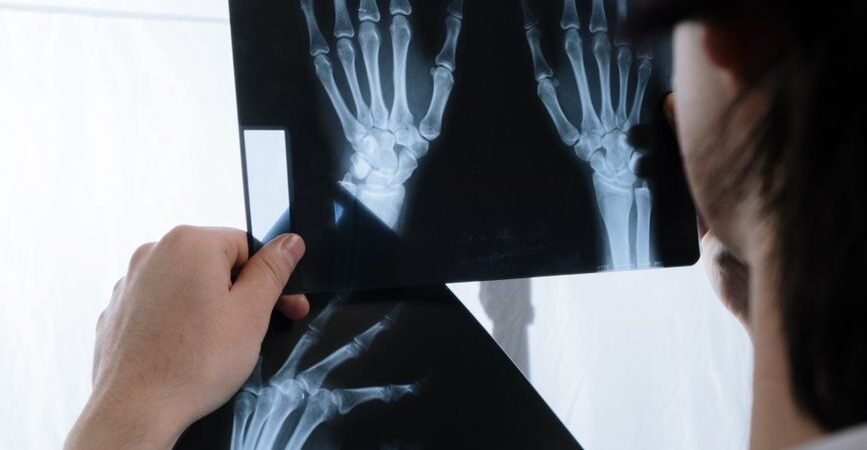
Quick answer: A scaphoid fracture is a break in one of the small bones on the thumb side of the wrist, usually caused by a fall onto an outstretched hand, and it’s notorious for being genuinely difficult to see on an initial X-ray. Up to a quarter of true scaphoid fractures look completely normal on the first scan, which is exactly why persistent wrist pain after a fall, especially with tenderness at the base of the thumb, warrants follow-up even when an X-ray was reported as clear. Left undiagnosed, a scaphoid fracture carries a real risk of poor healing, which is why catching it matters more than it might seem for what looks like “just a sprain.”
If you’ve got ongoing wrist pain after a fall that was told to you as “just a sprain,” but it hasn’t settled the way a sprain should, you might genuinely be dealing with a scaphoid fracture that was missed the first time round. This isn’t an unusual or rare scenario, it’s a well-documented pattern in this specific injury, and it’s worth explaining clearly, without alarmism, exactly why this particular fracture is so commonly missed and what to do if that’s what’s happening to you.
What The Scaphoid Is And Why It’s Prone To Fracture
The scaphoid is one of the small carpal bones on the thumb side of your wrist, sitting right where a lot of the load passes through when you fall onto an outstretched hand, which is exactly why it’s the most commonly fractured of all the carpal bones. What makes it especially problematic when injured is its unusual blood supply, most of the scaphoid receives its blood from a single artery that enters through the far end of the bone and travels backward through it, rather than being fed more evenly along its length.
This matters enormously because a fracture through the middle or upper part of the scaphoid can cut off blood flow to the portion above the break, leaving that piece of bone without the blood supply it needs to heal. It’s this specific anatomical quirk, not just the fracture itself, that makes this particular wrist injury genuinely different from most other broken bones, and it’s central to why getting it diagnosed and treated properly matters so much.
This injury typically happens the same way most wrist injuries do, a fall onto an outstretched hand, whether that’s from a trip, a bike or skateboard fall, a tackle, or a fall during a gym session. What sets it apart isn’t an unusual mechanism, it’s simply that the same everyday fall that would cause “just a sprain” in most people can, in a smaller but genuinely significant proportion of cases, actually fracture this specific bone instead, without necessarily looking or feeling dramatically different at first.
Why This Break Gets Missed On The First X-Ray
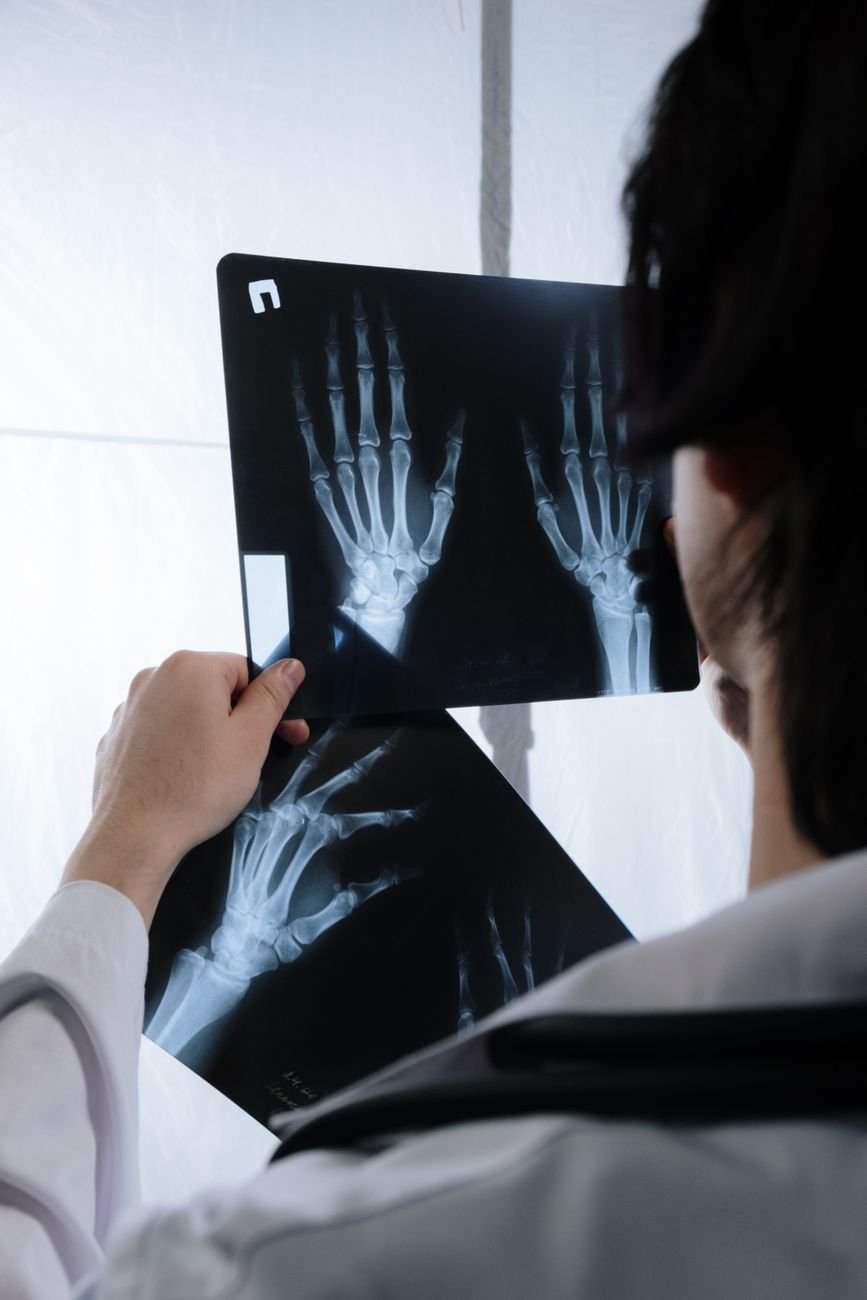
This is the part almost no general wrist injury content addresses directly, and it’s exactly the confusion a lot of people find themselves in. A genuine scaphoid fracture can look completely normal on an X-ray taken right after the injury, research puts this at somewhere between 15 and 30 percent of true fractures showing no visible break on that first scan. This isn’t a failure of the person reading the X-ray, it’s a real limitation of the imaging itself in the first couple of days after the injury, when the fracture line can be too fine or too well aligned to show up clearly.
Because of this, standard practice for anyone with the classic pattern of tenderness after a fall, even with a clear initial X-ray, is to treat it as a suspected fracture, usually with a splint, and reassess with repeat imaging a week or two later, once the fracture line has had a chance to become visible, or with more sensitive imaging like an MRI or CT scan sooner if there’s genuine concern. If you were sent away after a “normal” X-ray but the pain hasn’t settled the way an ordinary sprain should, this is exactly the situation where asking for that follow-up matters.
It’s worth understanding why this specific bone is so much harder to read on an early X-ray than most other fractures. Because a hairline break through dense, closely-packed bone can sit almost perfectly aligned in the first few days, before any of the subtle bone reaction that eventually makes a fracture line visible has had time to develop, the image can genuinely look unremarkable even though a real fracture is present. This is a recognised limitation of X-ray imaging for this particular bone specifically, not a general failing of X-rays as a technology.
Symptoms That Should Make You Push For Further Imaging
The classic sign of a scaphoid fracture is tenderness in the anatomical snuffbox, the small hollow that appears on the thumb side of your wrist when you extend your thumb outward, right at the base near where the scaphoid sits. Pain specifically here, particularly when a clinician presses on it directly, is the single most useful clinical clue pointing toward this fracture rather than a general sprain.
Persistent pain and swelling that hasn’t meaningfully improved after a week or two, when an ordinary sprain would typically be settling, is genuinely worth flagging, especially if it’s been dismissed as “just a sprain” without snuffbox tenderness being specifically checked. Pain that’s worse with gripping or weight-bearing through the wrist, such as pushing up from a chair, is another pattern that fits a scaphoid fracture more than a straightforward ligament sprain.
Why Untreated Scaphoid Fractures Are Serious
This isn’t about causing alarm, but it is genuinely important to understand why this fracture deserves proper follow-up rather than being left as an assumed sprain. Because of that unusual blood supply, an untreated or missed scaphoid fracture carries a real risk of the bone not healing properly, called non-union, or of the fragment losing its blood supply entirely, called avascular necrosis, which can eventually lead to long-term wrist stiffness, pain, and degenerative changes in the joint.
The risk of this is genuinely higher the closer the fracture is to the end of the bone that doesn’t directly receive blood, meaning fractures higher up the scaphoid carry more risk than ones lower down, closer to the thumb. None of this means every wrist ache needs to be treated as a medical emergency, it means persistent pain and snuffbox tenderness after a fall genuinely deserves proper assessment and, if needed, follow-up imaging, rather than being written off indefinitely as a slow-healing sprain. The good news is that when it’s caught and treated appropriately, most scaphoid fractures do go on to heal well, this article’s message is about getting there through proper diagnosis, not about the injury itself being unusually dangerous once it’s actually identified.
How Sports Rehab Supports Recovery After Diagnosis
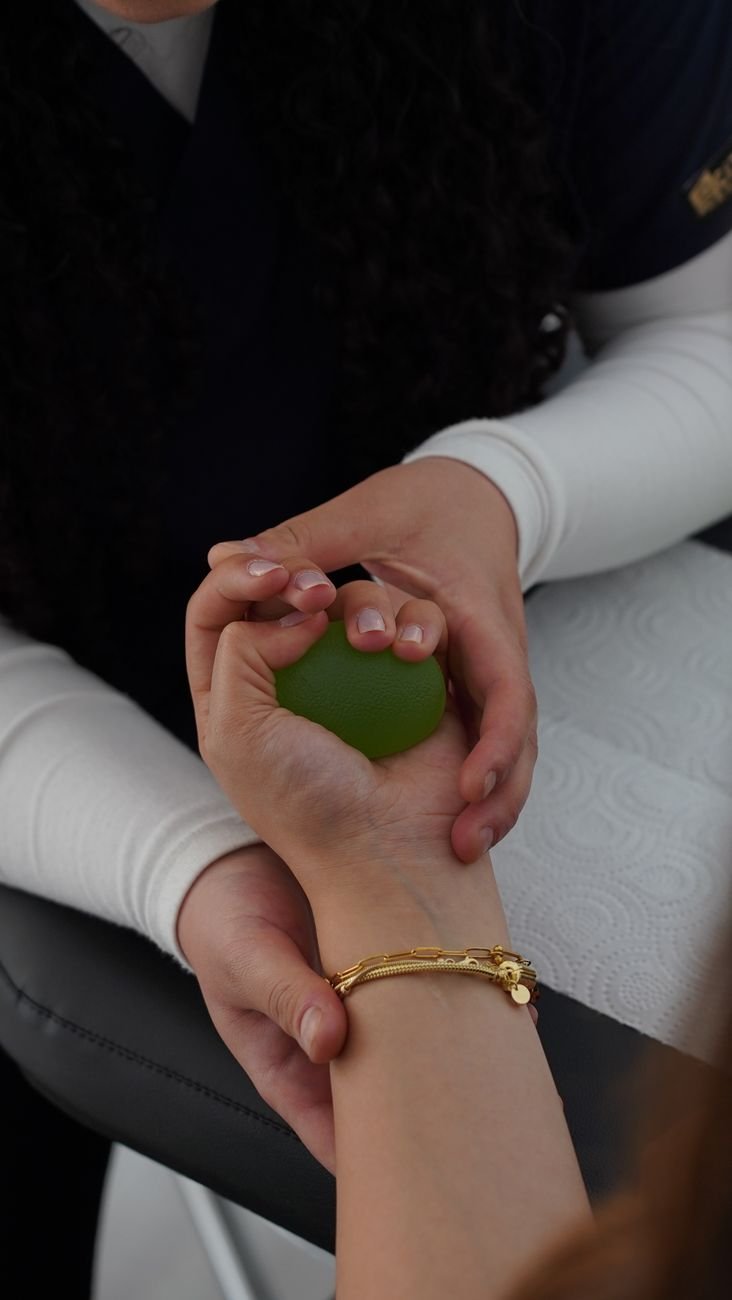
Once a scaphoid fracture has been properly diagnosed and appropriately treated, whether that’s a period in a cast or surgical fixation, guided rehab plays a genuinely important role in restoring full wrist strength and movement once your treating team has cleared you to begin. At Impact Sports Rehabilitation, a Rehabilitation Consultation builds a plan around rebuilding grip strength and wrist mobility gradually, respecting where your bone healing actually is rather than a generic timeline.
Rocktape taping is something many clients find genuinely useful for extra support and confidence as the wrist starts handling load again during the return-to-activity phase, and sports massage can help manage the compensatory tightness that builds up through the forearm during a long period of immobilisation.
Returning To Sport Safely
A safe return to sport once a scaphoid fracture has been confirmed to have healed, generally checked through follow-up imaging rather than pain settling alone, should be gradual, building grip strength and load tolerance progressively rather than jumping straight back into contact or heavy grip-dependent activity. The wrist has been protected for a meaningful stretch of time, so strength and confidence both need rebuilding, not just pain-free movement.
Sports involving a real risk of falling onto an outstretched hand again, or grip-heavy activities like weightlifting, gymnastics, or racquet sports, deserve particular attention during this build-up, since the mechanism that caused the original fracture is exactly what a rushed return exposes the healing bone to again.
If you’ve got wrist pain after a fall that hasn’t settled the way a simple sprain should, Impact Sports Rehabilitation works with everyday athletes across Eccles, Salford, Trafford, and the wider Greater Manchester area, and can point you toward the right imaging and assessment pathway alongside supporting your recovery once diagnosed. Book a Rehabilitation Consultation, or ask about an online consultation if you’re further afield.
Frequently Asked Questions
My X-ray came back clear, so why does my wrist still hurt weeks later?
This is exactly the pattern worth taking seriously, since a genuine scaphoid fracture can look normal on an X-ray taken too soon after the injury. If pain and tenderness at the base of the thumb haven’t settled, it’s worth asking specifically about follow-up imaging rather than assuming the clear X-ray is the final word.
Where exactly should I be checking for tenderness?
The key spot is the anatomical snuffbox, the small hollow on the thumb side of your wrist that becomes visible when you extend your thumb outward and away from your hand. Tenderness pressed directly into this area is the classic sign clinicians look for.
How long will I be in a cast if it is a scaphoid fracture?
This varies depending on the specific fracture and how it’s healing, but casting for this injury commonly runs into several weeks to a few months in total. Your treating team will confirm healing with follow-up imaging rather than relying on a fixed calendar date alone.
Will I definitely need surgery?
Not necessarily, many non-displaced scaphoid fractures heal well with proper casting alone, while fractures that are displaced or unstable are more likely to need surgical fixation. This decision is made by your treating orthopaedic team based on your specific fracture.
Is it too late to get this looked at properly if it’s been a few weeks already?
No, it’s genuinely worth getting assessed even if some time has passed, since catching and properly treating a scaphoid fracture later is still far better than leaving it undiagnosed indefinitely. The earlier it’s addressed the better, but it’s not a case of “the window has closed” after a few weeks.
Could this just be a bad sprain that’s taking longer than usual?
It’s possible, but persistent pain and specific snuffbox tenderness after a fall onto an outstretched hand is exactly the pattern that warrants ruling out a scaphoid fracture properly rather than assuming it’s simply a slow sprain. A proper assessment is the only reliable way to tell the two apart.
This article is provided for general educational purposes by Impact Sports Rehabilitation and does not constitute medical advice, diagnosis, or treatment. Scaphoid fractures are notoriously difficult to see on an initial X-ray, and anyone with persistent pain and tenderness at the base of the thumb after a fall onto an outstretched hand should seek follow-up medical assessment, potentially including repeat imaging or an MRI, even if an initial X-ray was reported as clear. Always seek the guidance of a doctor or other qualified health provider with any questions about your specific injury.