Quick answer: A quad strain is a tear in the quadriceps muscle at the front of the thigh, ranging from a mild grade 1 tightness you can run through to a grade 3 complete tear that needs crutches and a clinical assessment. Grade 1 strains often settle within one to three weeks, grade 2 tears typically take four to eight weeks of structured rehab, and grade 3 injuries can take several months. Anyone with significant swelling, bruising, or an inability to bear weight should get it properly assessed rather than assuming it’s mild.
One second you’re driving off the line for a sprint, or planting to strike the ball, and the next there’s a sharp, unmistakable pull in the front of your thigh that stops you dead. Now you’re standing there working out how bad it actually is: can you walk it off, or is this weeks out. A quad strain is genuinely common across football, sprinting, and heavy lifting, and in our experience the single biggest factor in how quickly you get back is getting an honest read on the grade early rather than guessing and hoping. Here’s a clear, grounded picture of what’s actually going on and what happens next.
What A Quad Strain Actually Is
The quadriceps is a group of four muscles running down the front of your thigh, working together to straighten your knee and help drive your leg forward during sprinting, jumping, and kicking. A strain happens when muscle fibres are stretched beyond what they can handle and tear, usually during an explosive, high-force movement rather than gradual overuse.
How much of the muscle has actually torn is what determines grading, from grade 1, a small number of fibres affected, through grade 2, a partial tear involving more fibres and real loss of strength, up to grade 3, a complete or near-complete rupture. This grading matters more than almost anything else here, because it drives everything from how long recovery realistically takes to whether you need imaging at all.
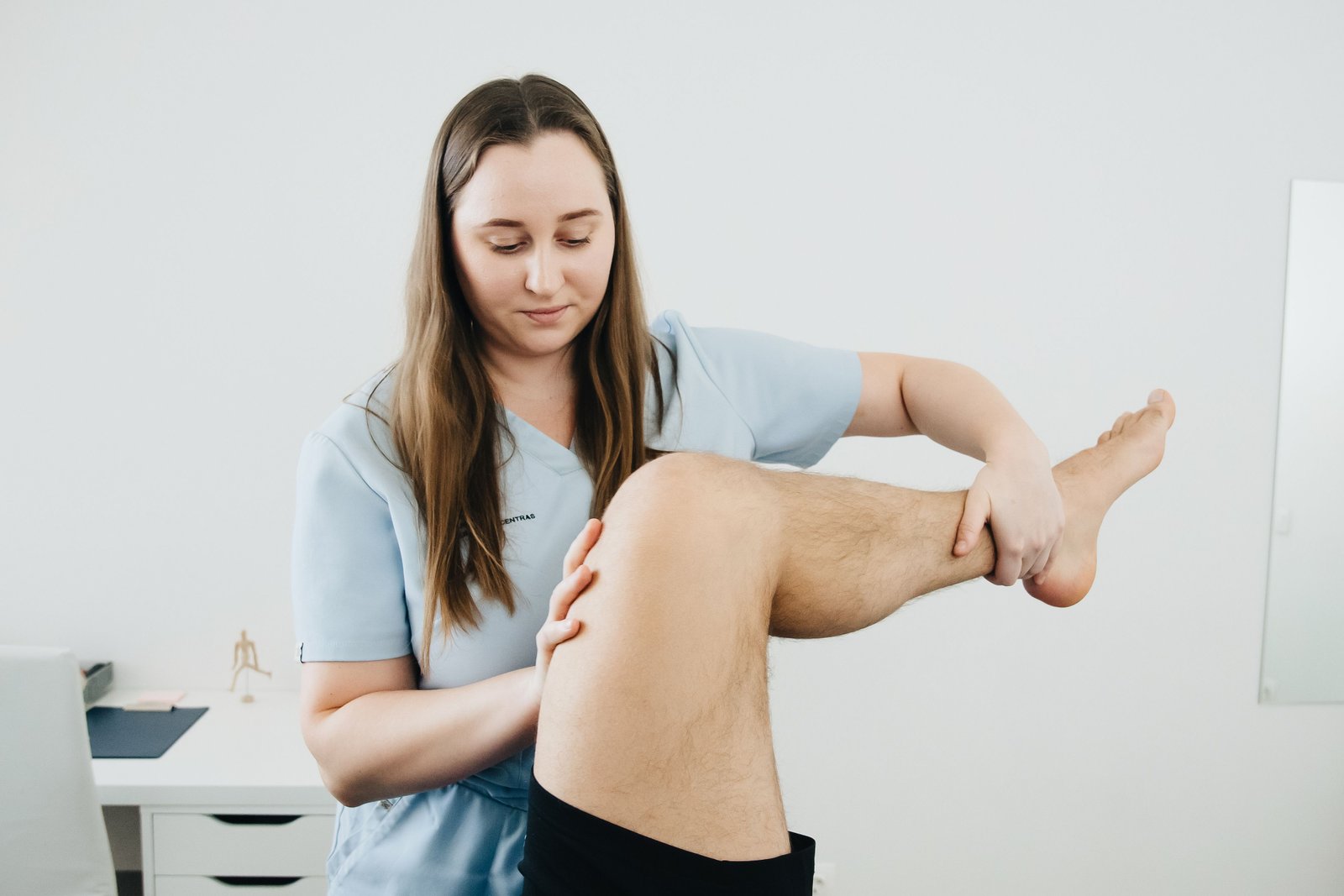
Most quad strains happen at one of two specific points: either within the muscle belly itself, or at the junction where the muscle transitions into tendon, and the rectus femoris, the muscle running straight down the centre of the thigh, is involved more often than the others because it crosses both the hip and the knee joint and gets pulled in two directions at once during sprinting and kicking. Knowing roughly where within the muscle the tear sits is part of what a proper clinical assessment establishes, and it can genuinely influence how the rehab programme is structured.
Signs And Symptoms By Grade
A grade 1 strain typically feels like a twinge or sudden tightness, with mild pain that often still lets you finish the session, even if it’s uncomfortable, plus some tenderness when you press on the area afterward. It’s easy to underestimate at the time precisely because it doesn’t stop you in your tracks.
A grade 2 strain is harder to miss: sharp, sudden pain that does stop the activity, swelling that builds up over the following hours, noticeable tenderness, and a real, obvious loss of strength when you try to use the leg. Walking is often uncomfortable but usually still possible. A grade 3 strain is unmistakable, severe pain at the moment of injury, an inability to walk without support, and significant swelling and bruising appearing quickly, sometimes with a palpable gap or defect in the muscle itself. Grade 3 injuries need a clinical assessment straightaway rather than a wait-and-see approach.
Quad Strain Or Dead Leg? Why The Difference Actually Matters
This is a distinction that gets skipped over in most quad strain guides, and it genuinely matters. A “dead leg,” or quad contusion, isn’t the same injury as a strain at all, even though both leave you limping off with thigh pain. A strain is an internal tear from your own muscle working too hard, while a dead leg comes from a direct blow, a knee to the thigh, a hard tackle, that crushes the muscle against the bone underneath and causes bleeding within the muscle itself.
The reason this matters is that the early treatment genuinely differs. With a dead leg, the advice many clinicians give is to keep the knee gently bent rather than stretching it out, and to actively avoid deep massage or aggressive stretching in the first 48 to 72 hours, because doing so can increase internal bleeding and raise the risk of a complication called myositis ossificans, where bone tissue starts forming inside the damaged muscle. This happens in a meaningful minority of significant contusions and can genuinely prolong recovery for months if the injury is handled the way you’d normally treat a strain. If you’re not sure which one you’re dealing with, that uncertainty alone is a good reason to get it properly assessed rather than applying strain advice to what might actually be a contusion.
What Causes Quad Strains (And Who’s At Risk)
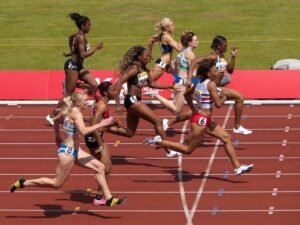
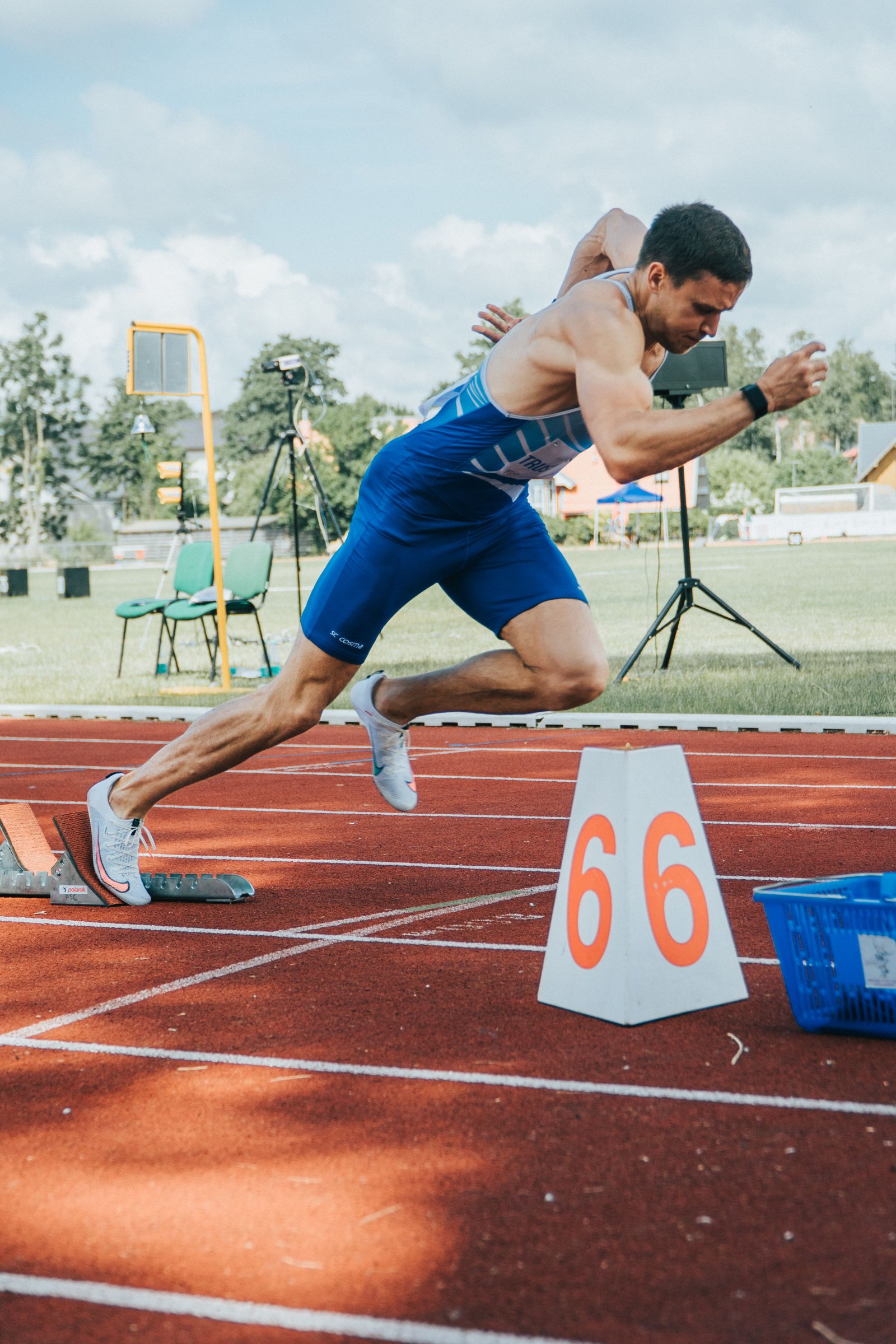
Explosive, high-force movements are the classic trigger: sprinting, especially accelerating from a standing or near-standing start, kicking a ball hard, and jumping or landing awkwardly all place sudden, significant demand on the quadriceps. Fatigue plays a real role too, since a tired muscle late in a match or a long training session has less capacity to absorb force before it tears, which is part of why quad strains cluster in the final quarter of games so consistently.
Inadequate warm-up is one of the more preventable risk factors, since a muscle that hasn’t been properly prepared for explosive effort is simply more vulnerable. A strength imbalance between the quadriceps and hamstrings, or between the two legs, also raises risk, as does a previous quad strain that wasn’t fully rehabilitated before returning to sport, since that tissue often remains weaker and more vulnerable to re-tearing than it looks on the surface.
Age and training history factor in too, since older athletes and anyone returning to explosive sport after a long layoff, whether from injury, a season break, or simply reduced training, tend to carry more risk until their tissue has had a genuine chance to rebuild capacity for that kind of force. This is exactly why a gradual return after any break, not just after an actual injury, is worth taking seriously rather than jumping straight back to full-intensity sprinting or match play.
Treatment From Immediate Care To Rehab
In the first 48 to 72 hours, rest, ice, gentle compression, and elevation help manage pain and limit swelling, alongside avoiding aggressive stretching while the tear is still acutely inflamed. Once the acute phase has settled, generally guided by pain rather than a fixed number of days, gentle range-of-motion work begins, followed by progressive strengthening as tolerated.
Grade 1 strains often move through this process over one to three weeks, grade 2 strains typically need four to eight weeks of more structured rehab, and grade 3 tears are measured in months and should be under a clinician’s guidance from day one, sometimes including imaging to confirm the extent of the tear. Rushing any of these stages, particularly returning to sprinting or kicking before strength has genuinely caught up, is one of the most common reasons a quad strain becomes a repeat injury.
How Sports Rehab Speeds Up Recovery
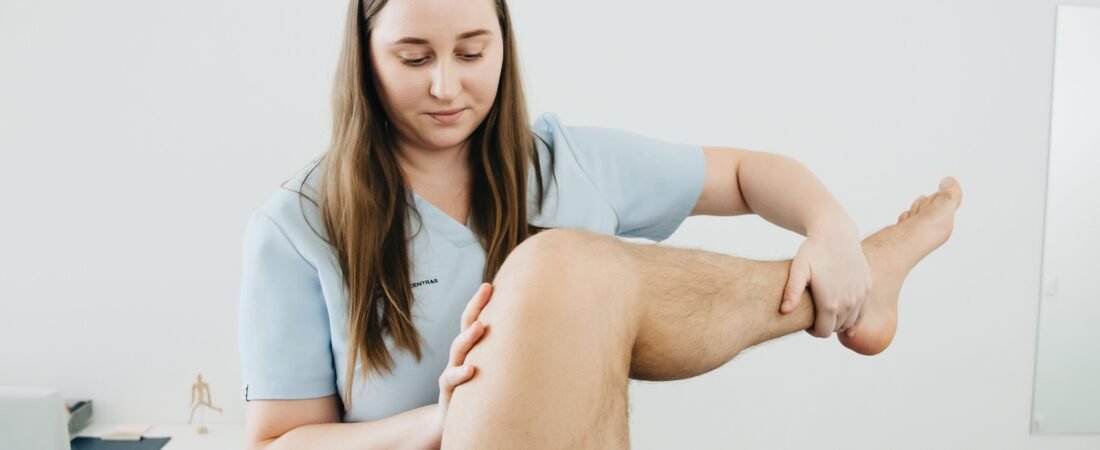
Once you’ve had a proper assessment and know your grade, a structured rehab plan makes a real difference to how confidently and safely you get back. A Rehabilitation Consultation builds a programme around your specific grade, your sport, and how the injury actually happened, rather than handing you a generic sheet regardless of severity.
Later in the rehab process, once the acute bleeding risk has passed, cupping therapy is a tool some clients find useful for managing residual muscle tightness and compensation patterns that build up in the surrounding muscles while you’ve been favouring the injured leg. Most clients notice that having someone track their actual readiness through each stage, rather than following a printed sheet blindly, meaningfully lowers the risk of re-tearing the same muscle.
Returning To Sprinting Or Kicking Safely
Getting back to full sprinting or kicking is absolutely realistic for most people who follow a genuine progression, but rushing this stage is where most repeat quad strains happen. A safe return usually starts with jogging, builds through strides at increasing pace, and only progresses to genuine sprinting and kicking once strength in the injured leg is close to matching the other side.
Many clinicians use a simple guide here: some mild awareness during activity can be normal, but sharp pain, or symptoms that get worse rather than better as training progresses, is a clear sign you’ve moved too fast. In our experience, athletes who commit to the full staged progression, rather than jumping straight back in once the pain has mostly settled, have a noticeably lower rate of re-injury in the following months.
If you’ve pulled your quad and want a clear, honest read on how bad it actually is rather than guessing, Impact Sports Rehabilitation works with footballers, sprinters, and gym-goers across Eccles, Salford, Trafford, and the wider Greater Manchester area on exactly this kind of injury. Book a Rehabilitation Consultation in person, or ask about an online consultation if you’re further afield, and let’s get a real plan built around your actual injury.
Frequently Asked Questions
How do I know if my quad strain is serious or just a minor pull?
A minor grade 1 strain usually causes mild tightness or a twinge that still lets you finish activity, while significant swelling, bruising, sharp pain that stops you immediately, or an inability to bear weight point toward a more serious grade 2 or 3 injury. If you’re genuinely unsure, that uncertainty itself is worth a proper assessment rather than assuming the best.
Can I keep training on a mild quad strain?
It really depends on the grade, and a proper assessment is the only reliable way to know. Some people with a genuinely mild strain can modify training while it settles, but pushing through what turns out to be a grade 2 or 3 tear tends to make things considerably worse and slower to recover from.
Will I need a scan for my quad strain?
Not always, many grade 1 and grade 2 strains are diagnosed clinically without imaging, but grade 3 tears, or anyone with an unclear diagnosis or slower than expected progress, are often referred for imaging to confirm the extent of the injury. Your treating clinician will guide whether imaging is genuinely needed for your specific case.
How long until I can sprint again after a quad strain?
This depends heavily on the grade and how consistently you’ve followed a genuine rehab progression, with mild strains often allowing a return within a few weeks and more severe tears taking considerably longer. Many clients find a guided, staged return gets them back with far more confidence than simply waiting for a set number of weeks to pass.
Is it normal for my thigh to still feel tight weeks after the initial injury?
Some residual tightness during the strengthening phase isn’t unusual, particularly as the muscle rebuilds capacity it lost during the injury and the reduced activity that followed. That said, tightness that isn’t gradually easing, or that’s accompanied by ongoing weakness, is worth a follow-up assessment rather than assuming it will simply resolve on its own.
This article is provided for general educational purposes by Impact Sports Rehabilitation and does not constitute medical advice, diagnosis, or treatment. Significant swelling, bruising, an inability to bear weight, or uncertainty about the severity of a thigh injury should be assessed by a qualified medical professional rather than self-graded; nothing in this article should be used to self-diagnose. Always seek the guidance of a doctor or other qualified health provider with any questions about your specific injury or condition.